
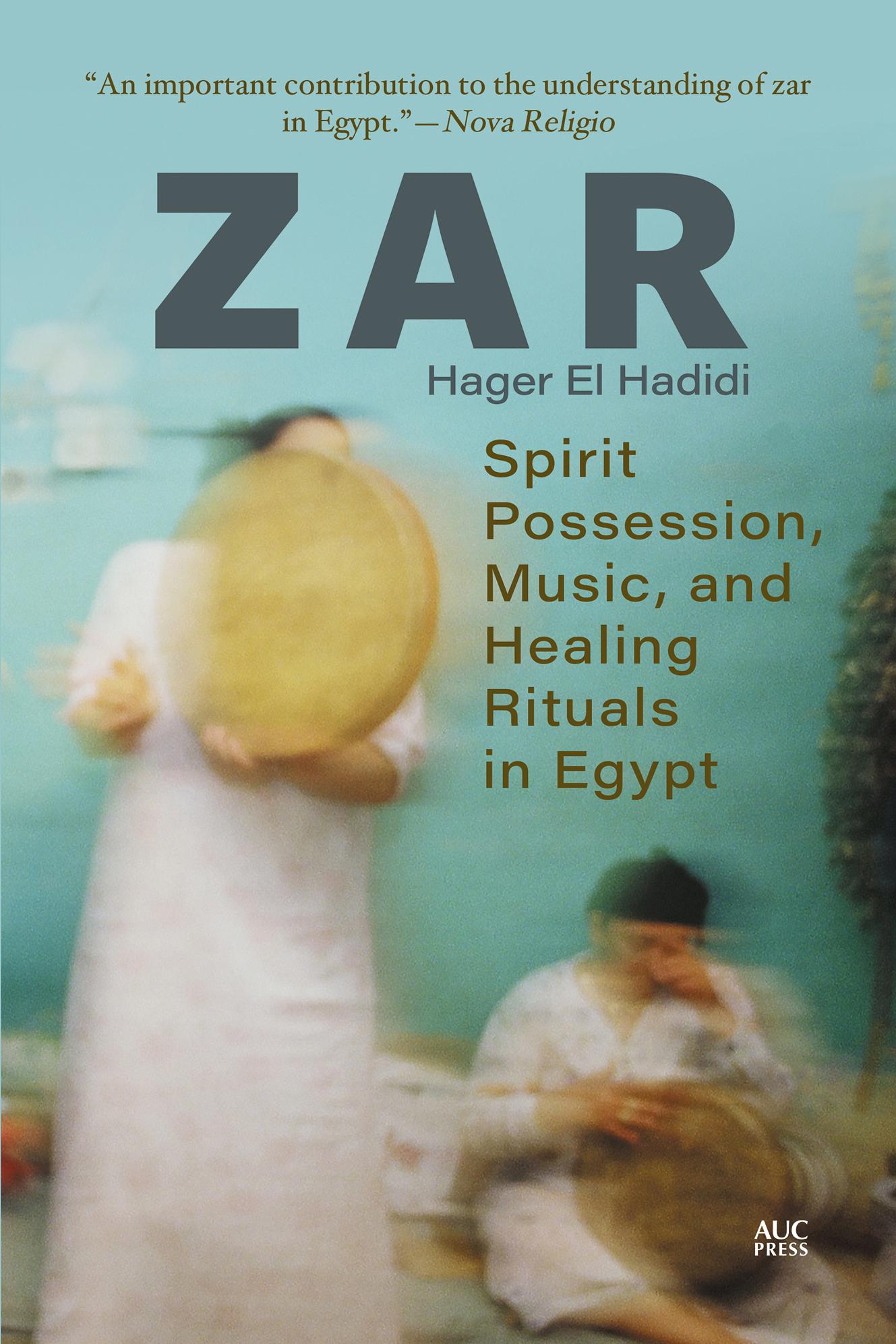
An examination of the history and waning culture of zar in Egypt, and the world in which Muslim women negotiate relations with spirits
Zar is both a possessing spirit and a set of reconciliation rites between the spirits and their human hosts: living in a parallel yet invisible world, the capricious spirits manifest their anger by causing ailments for their hosts, which require ritual reconciliation, a private sacrificial rite practiced routinely by the afflicted devotees. Originally spread from Ethiopia to the Red Sea and the Arabian Gulf through the nineteenth-century slave trade, in Egypt zar has incorporated elements from popular Islamic Sufi practices, including devotion to Christian and Muslim saints. The ceremonies initiate devotees—the majority of whom are Muslim women—into a community centered on a cult leader, a membership that provides them with moral orientation, social support, and a sense of belonging. Practicing zar rituals, dancing to zar songs, and experiencing trance restore their well-being, which had been compromised by gender asymmetry and globalization.
This new ethnographic study of zar in Egypt is based on the author’s two years of multi-sited fieldwork and firsthand knowledge as a participant, and her collection and analysis of more than three hundred zar songs, allowing her to access levels of meaning that had previously been overlooked. The result is a comprehensive and accessible exposition of the history, culture, and waning practice of zar in a modernizing world.
Pay easily by card, Klarna, Apple Pay or Google Pay. Not happy? You always have a 14-day money-back guarantee. Read more in our terms. If you have any questions, email us at hello@memmo.org.
Memmo makes studying easier – wherever you are in the world. We bring your course books and smart study tools together in one place: summaries, quizzes, podcasts and flashcards. Plus Ted, your study buddy who answers anything you wonder. Over 50,000 students already study here – built to help you learn faster and stress less.