
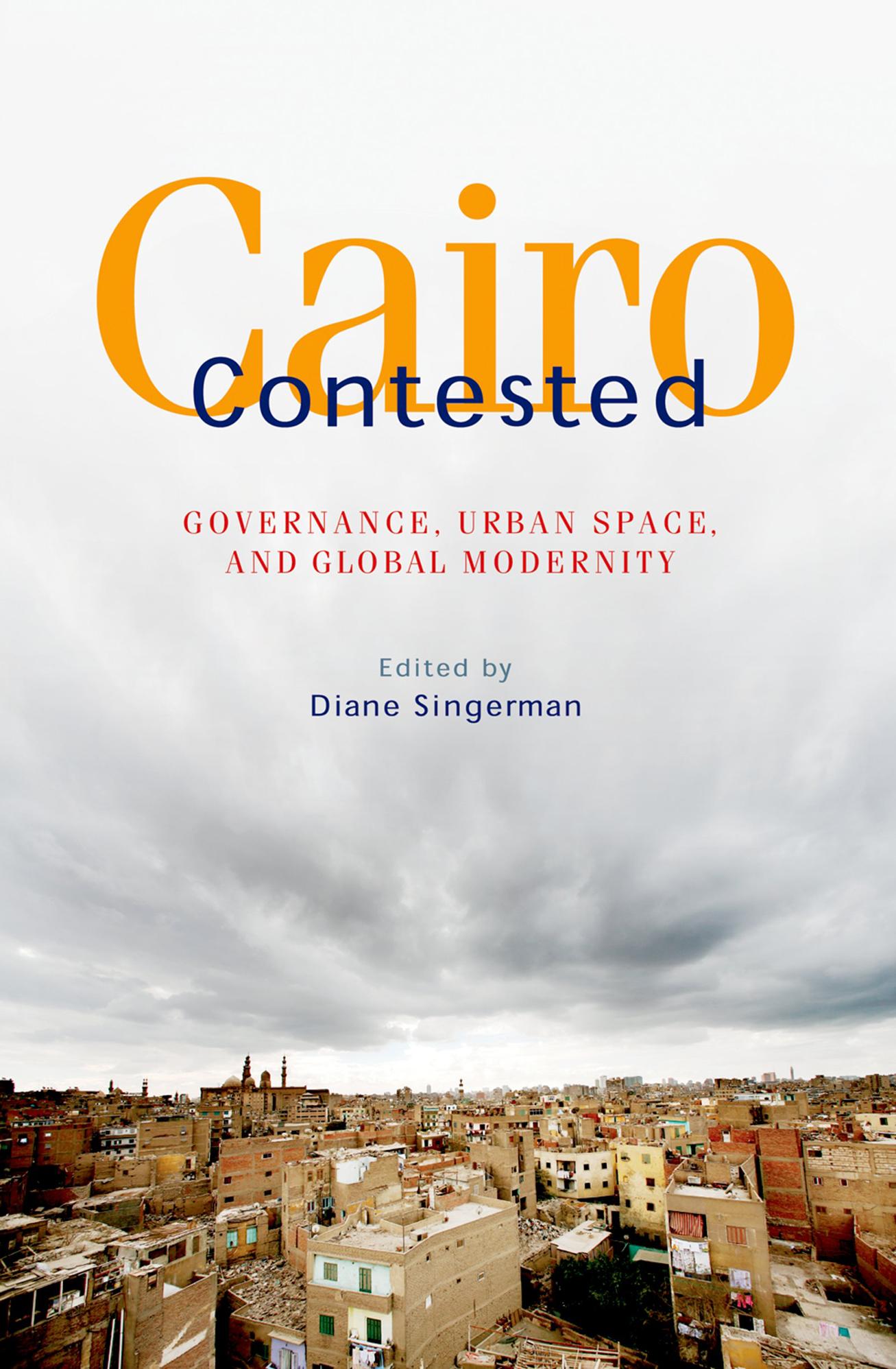
This cross-disciplinary, ethnographic, contextualized, and empirical volume explores the meaning and significance of urban space, and maps the spatial inscription of power on the mega-city of Cairo. Suspicious of collective life and averse to power-sharing, Egyptian governance structures weaken but do not stop the public's role in the remaking of their city. What happens to a city where neo-liberalism has scaled back public services and encouraged the privatization of public goods, while the vast majority cannot afford the effects of such policies? Who wins and loses in the "march to the modern and the global" as the government transforms urban spaces and markets in the name of growth, security, tourism, and modernity? How do Cairenes struggle with an ambiguous and vulnerable legal and bureaucratic environment when legality is a privilege affordable only to the few or the connected? This companion volume to Cairo Cosmopolitan (AUC Press, 2006) further develops the central insights of the Cairo School of Urban Studies.
Pay easily by card, Klarna, Apple Pay or Google Pay. Not happy? You always have a 14-day money-back guarantee. Read more in our terms. If you have any questions, email us at hello@memmo.org.
Memmo makes studying easier – wherever you are in the world. We bring your course books and smart study tools together in one place: summaries, quizzes, podcasts and flashcards. Plus Ted, your study buddy who answers anything you wonder. Over 75,000 students already study here – built to help you learn faster and stress less.
You might also like
Buy the book0