
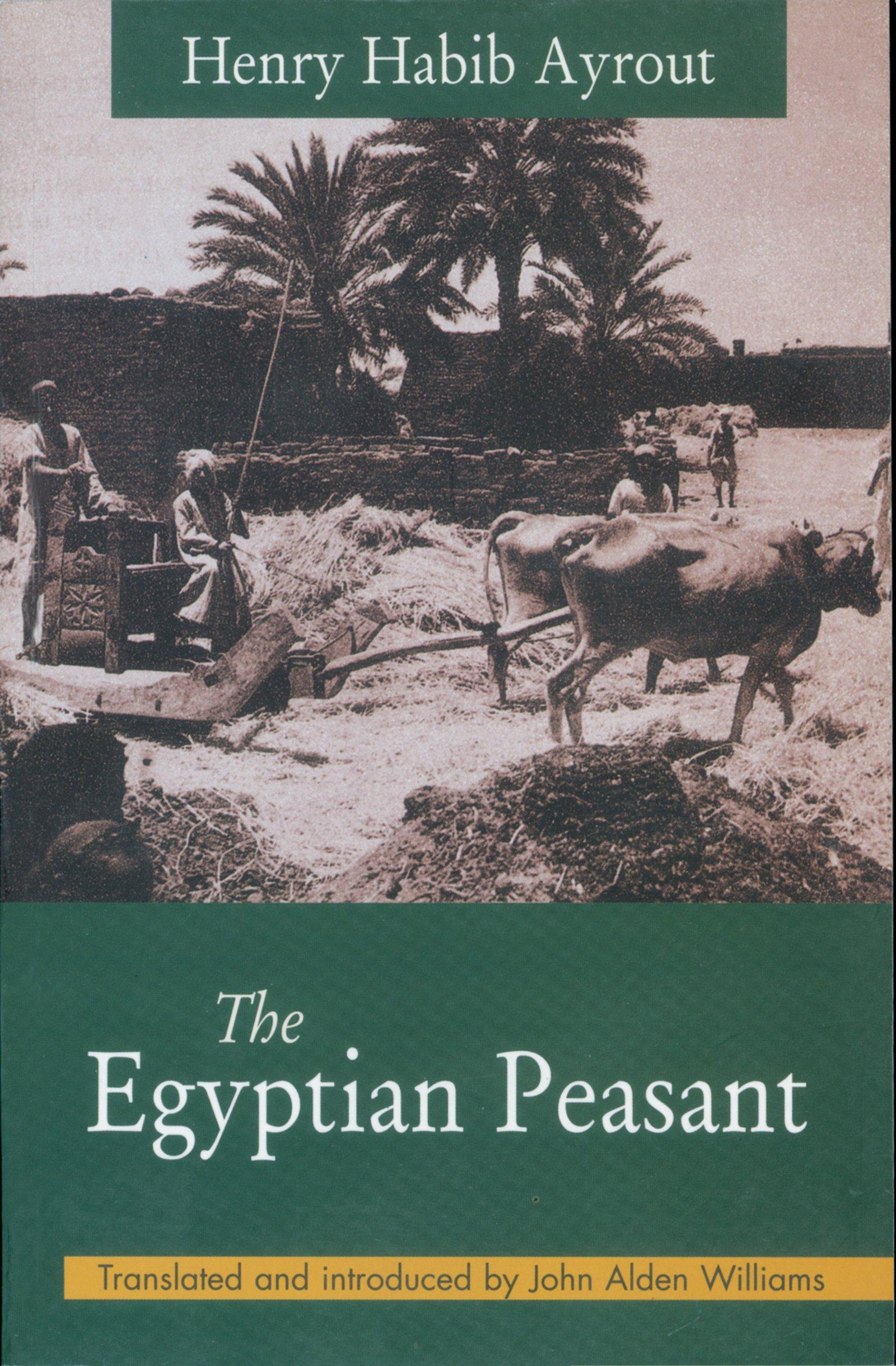
Egypt has changed enormously in the last half century, and nowhere more so than in the villages of the Nile Valley. Electrification, radio, and television have brought the larger world into the houses. Government schools have increased educational horizons for the children. Opportunities to work in other areas of the Arab world have been extended to peasants as well as to young artisans from the towns. Urbanization has brought many families to live in the belts of substandard housing around the major cities.
But the conservative and traditional world of unremitting labor that characterizes the lives of the Egyptian peasants, or fellaheen, also survives, and nowhere has it been better described than in this classic account by Father Henry Habib Ayrout, an Egyptian Jesuit sociologist who dedicated most of his life to creating a network of free schools for rural children at a time when there were very few. First published in French in 1938, the book went through several revisions by the author before being translated and published in English in 1963. The often poetic yet factual and deeply empathetic description Father Ayrout left of fellah life is still reliable and still poignant; a measure by which the progress of the countryside must always be gauged.
Pay easily by card, Klarna, Apple Pay or Google Pay. Not happy? You always have a 14-day money-back guarantee. Read more in our terms. If you have any questions, email us at hello@memmo.org.
Memmo makes studying easier – wherever you are in the world. We bring your course books and smart study tools together in one place: summaries, quizzes, podcasts and flashcards. Plus Ted, your study buddy who answers anything you wonder. Over 50,000 students already study here – built to help you learn faster and stress less.
You might also like
Buy the book0