
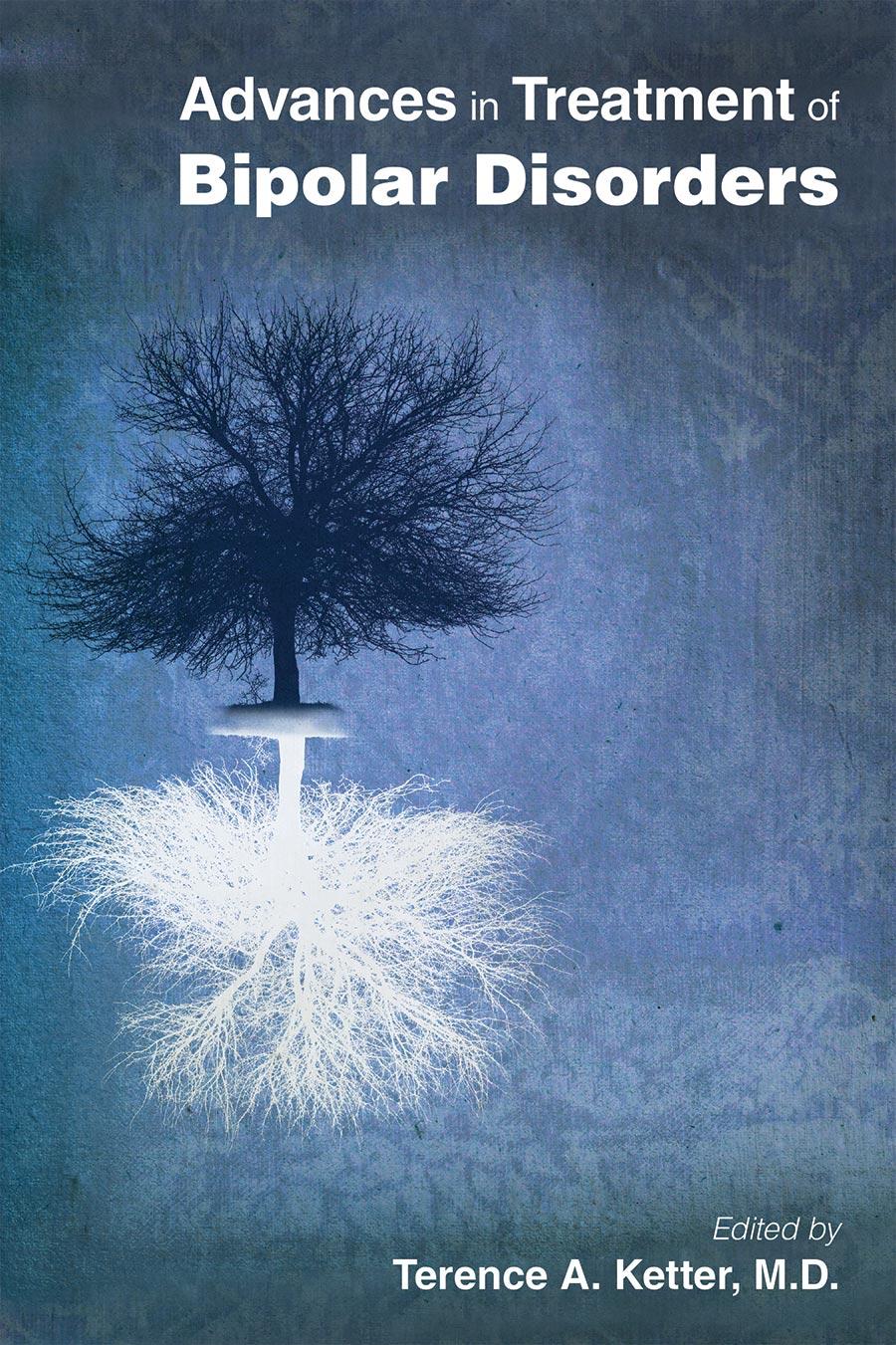
Clinicians searching for evidence-based quantitative assessments on which to base diagnosis and treatment of patients with bipolar disorder need look no further. Advances in Treatment of Bipolar Disorders analyzes the benefits and harms for both older and more recently developed treatments, and places these analyses in the context of the authors' many years of clinical experience. The result is a book that is both quantitatively sound and qualitatively rich, and one that will help clinicians understand the latest research and integrate it into their practices with confidence. In addition to comprehensive coverage of the most important recent advances, the book addresses advances in more specific areas, including the treatment of particular populations such as women, children, and older adults.
In addition, the book covers many critically important topics and boasts an abundance of helpful features: Evidence-based quantitative assessments of benefits use "numbers needed to treat" for therapeutic effects and "numbers needed to harm" for side effects, ensuring that the quality of data supporting interventions meets a rigorous standard. The book's information is based not only on controlled trials and FDA approvals but also on almost two decades of clinical research and clinical treatment experience by clinicians at Stanford University. Plentiful figures and summary tables are provided to summarize the content and make it easy-to-grasp and clinician-friendly. In addition to coverage of acute bipolar depression and acute manic and mixed episodes, the book provides chapters on the preventive treatment of bipolar disorder and the pharmacology of mood-stabilizing and second-generation antipsychotic medications.
Bipolar disorders are challenging and complex mental illnesses, and clinicians need all the help they can get in managing the effects of these illness on their patients' lives. Advances in Treatment of Bipolar Disorders aims to provide everything clinicians need to know to update their knowledge of this rapidly evolving field and ensure an evidence-based standard of care for this patient population.
Pay easily by card, Klarna, Apple Pay or Google Pay. Not happy? You always have a 14-day money-back guarantee. Read more in our terms. If you have any questions, email us at hello@memmo.org.
Memmo makes studying easier – wherever you are in the world. We bring your course books and smart study tools together in one place: summaries, quizzes, podcasts and flashcards. Plus Ted, your study buddy who answers anything you wonder. Over 75,000 students already study here – built to help you learn faster and stress less.