
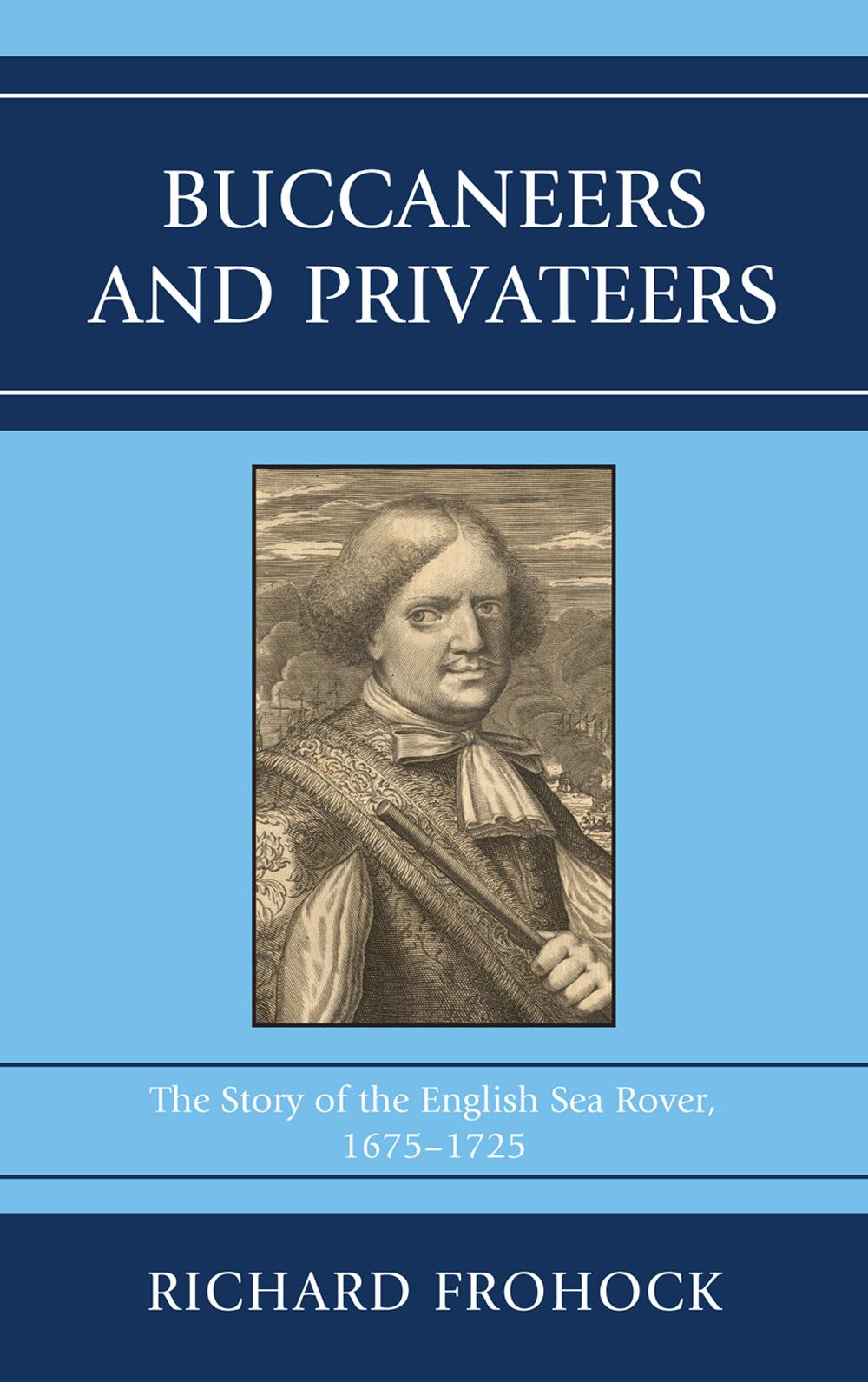
In the late seventeenth century, Spain dominated the Caribbean and Central and South America, establishing colonies, mining gold and silver, and gathering riches from Asia for transportation back to Europe. Seeking to disrupt Spain’s nearly unchecked empire-building and siphon off some of their wealth, seventeenth- and eighteenth-century British adventurers—both legitimate and illegitimate—led numerous expeditions into the Caribbean and the Pacific. Many voyagers wrote accounts of their exploits, captivating readers with their tales of exotic places, shocking hardships and cruelties, and daring engagements with national enemies. Widely distributed and read, buccaneering and privateering narratives contributed significantly to England’s imaginative, literary rendering of the Americas in the late seventeenth and early eighteenth centuries, and they provided a venue for public dialogue about sea rovers and their position within empire. This book takes as its subject the literary and rhetorical construction of voyagers and their histories, and by extension, the representation of English imperialism in popular sea-voyage narratives of the period.
Pay easily by card, Klarna, Apple Pay or Google Pay. Not happy? You always have a 14-day money-back guarantee. Read more in our terms. If you have any questions, email us at hello@memmo.org.
Memmo makes studying easier – wherever you are in the world. We bring your course books and smart study tools together in one place: summaries, quizzes, podcasts and flashcards. Plus Ted, your study buddy who answers anything you wonder. Over 50,000 students already study here – built to help you learn faster and stress less.