
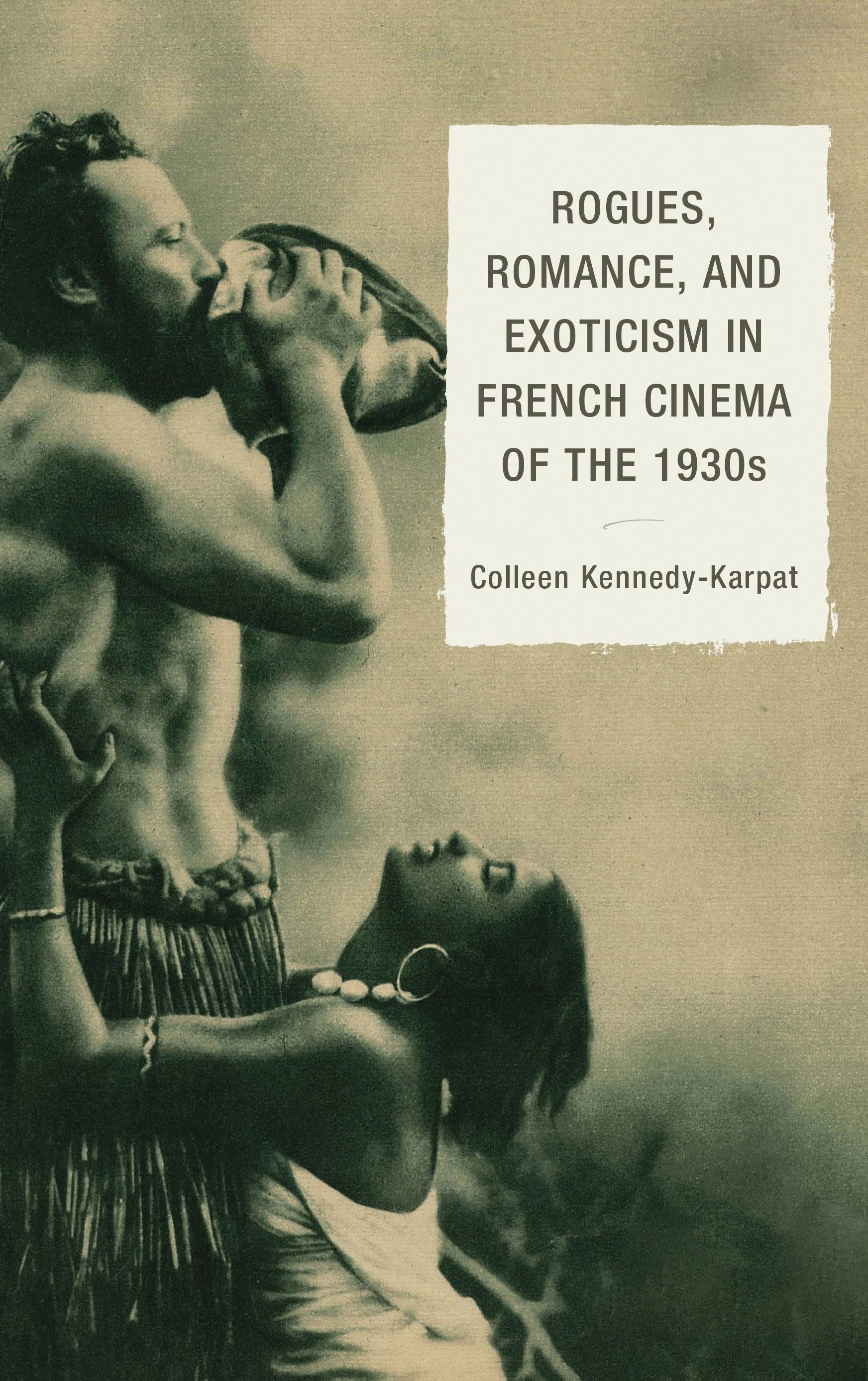
Many popular French films of the 1930s captured the world and brought it into neighborhood cinemas for filmgoers who craved adventure. These films often served as visual postcards from the French empire, which enjoyed an unprecedented visibility in domestic popular culture between the world wars. But the public appetite for the exotic also transcended imperial borders. Exoticist films displayed landscapes and different that lay beyond the metropole, many of which were not subject to European rule. This broad conception of the exotic meant that French narrative cinema represented both colonial and non-colonial settings and populations, developing a coherent set of tropes that were shaped, yet not entirely defined, by the politics of imperial rule. Empire alone cannot address the full range of the French exoticist imaginary that was projected onto movie screens in the 30s. Only by venturing beyond imperial boundaries can we fully understand how the French saw non-Westerners and, by extension, how they saw themselves during this tumultuous decade. Rogues, Romance, and Exoticism in French Cinema of the 1930s proposes a critical framework for exoticist cinema that includes and exceeds the limits of empire. From rogue colons to the métisse in love, from the deserts of North Africa to the streets of Shanghai, this book identifies and analyzes recurring figures, common settings, major stars, plot devices, and narrative outcomes that dominated exoticist cinema at its popular peak.
Pay easily by card, Klarna, Apple Pay or Google Pay. Not happy? You always have a 14-day money-back guarantee. Read more in our terms. If you have any questions, email us at hello@memmo.org.
Memmo makes studying easier – wherever you are in the world. We bring your course books and smart study tools together in one place: summaries, quizzes, podcasts and flashcards. Plus Ted, your study buddy who answers anything you wonder. Over 50,000 students already study here – built to help you learn faster and stress less.