
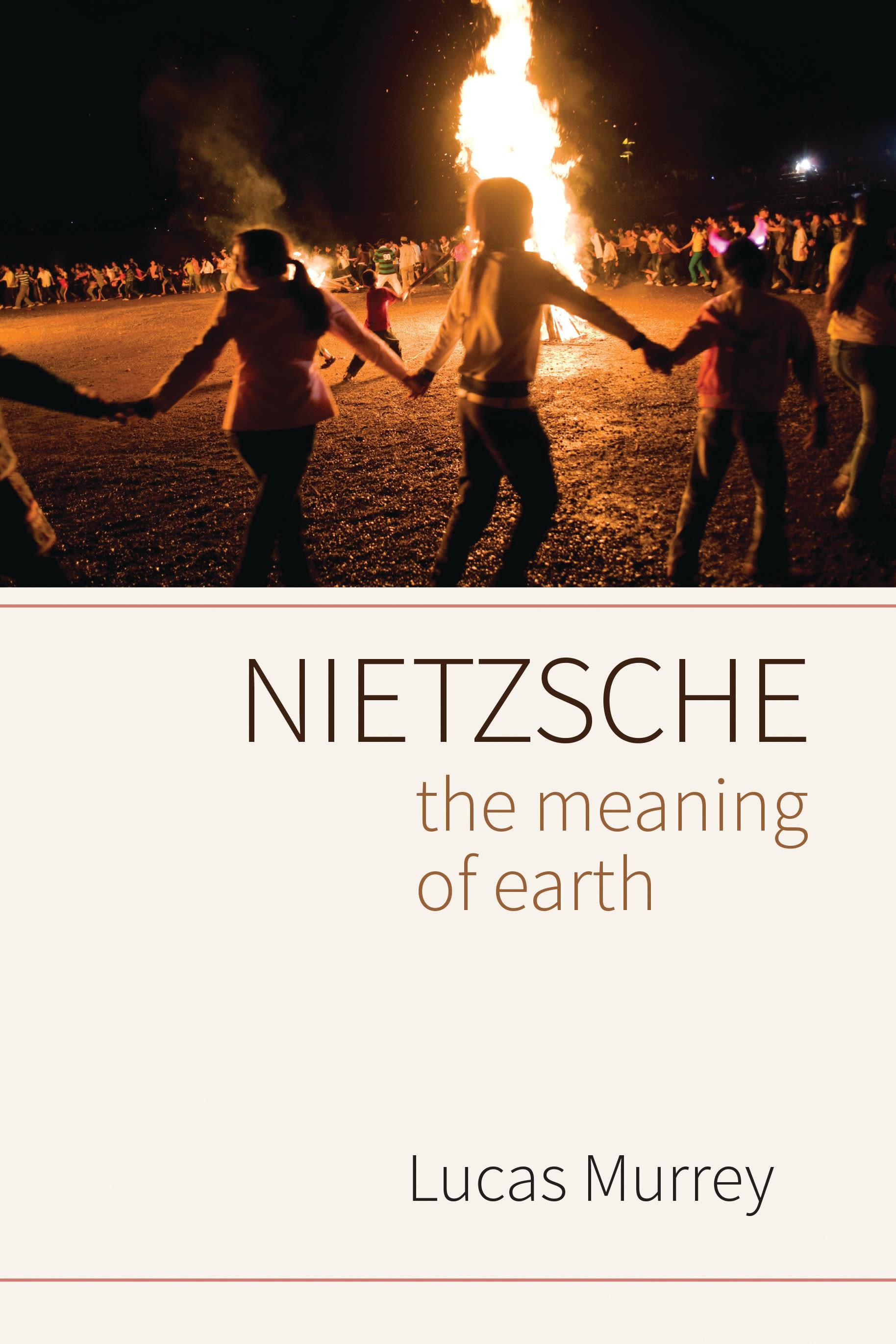
In this book, author Lucas Murrey argues that the thinking of the modern German philosopher Friedrich Nietzsche (1944–1900) is not only more grounded in antiquity than previously understood, but is also based on the Dionysian spirit of Greece which scholars have still to confront. This book demonstrates that Nietzsche’s philosophy is unique within Western thought as it retrieves the politics of a Dionysiac model and language to challenge the alienation of humans from nature and one another.
Murrey develops here a new picture of Greece, reminding readers how money emerged and rapidly developed in Greece during the sixth century B.C.E. The event of monetization created the new art form of tragedy: money-tyrants struggling against the forces of earth and communities who consequently suffered isolation, blindness, and death. As Murrey points out, Nietzsche (unconsciously) retrieves the battle among money, nature, and community and adapts its lessons to our time. Additionally, Nietzsche’s philosophy not only adapts the wisdom of Dionysus to question the unlimited “glow and fuel” of a “ponderous herd” of money-tyrants today, but it also draws attention to Greece’s warnings about the lethal danger of the eyes in myth, cult, and theatre.
This work introduces a much needed vision of Nietzschean thought, and it emphasizes the relevance of an interdisciplinary approach combining philosophy with literary studies and psychology with religious and visual/media studies. When applied to our present circumstance, the approach of this book reveals how a dangerous visual culture, through its support of the limitlessness of money, is harming our relationship with nature and each other.
Murrey develops here a new picture of Greece, reminding readers how money emerged and rapidly developed in Greece during the sixth century B.C.E. The event of monetization created the new art form of tragedy: money-tyrants struggling against the forces of earth and communities who consequently suffered isolation, blindness, and death. As Murrey points out, Nietzsche (unconsciously) retrieves the battle among money, nature, and community and adapts its lessons to our time. Additionally, Nietzsche’s philosophy not only adapts the wisdom of Dionysus to question the unlimited “glow and fuel” of a “ponderous herd” of money-tyrants today, but it also draws attention to Greece’s warnings about the lethal danger of the eyes in myth, cult, and theatre.
This work introduces a much needed vision of Nietzschean thought, and it emphasizes the relevance of an interdisciplinary approach combining philosophy with literary studies and psychology with religious and visual/media studies. When applied to our present circumstance, the approach of this book reveals how a dangerous visual culture, through its support of the limitlessness of money, is harming our relationship with nature and each other.
Pay easily by card, Klarna, Apple Pay or Google Pay. Not happy? You always have a 14-day money-back guarantee. Read more in our terms. If you have any questions, email us at hello@memmo.org.
Memmo makes studying easier – wherever you are in the world. We bring your course books and smart study tools together in one place: summaries, quizzes, podcasts and flashcards. Plus Ted, your study buddy who answers anything you wonder. Over 50,000 students already study here – built to help you learn faster and stress less.