
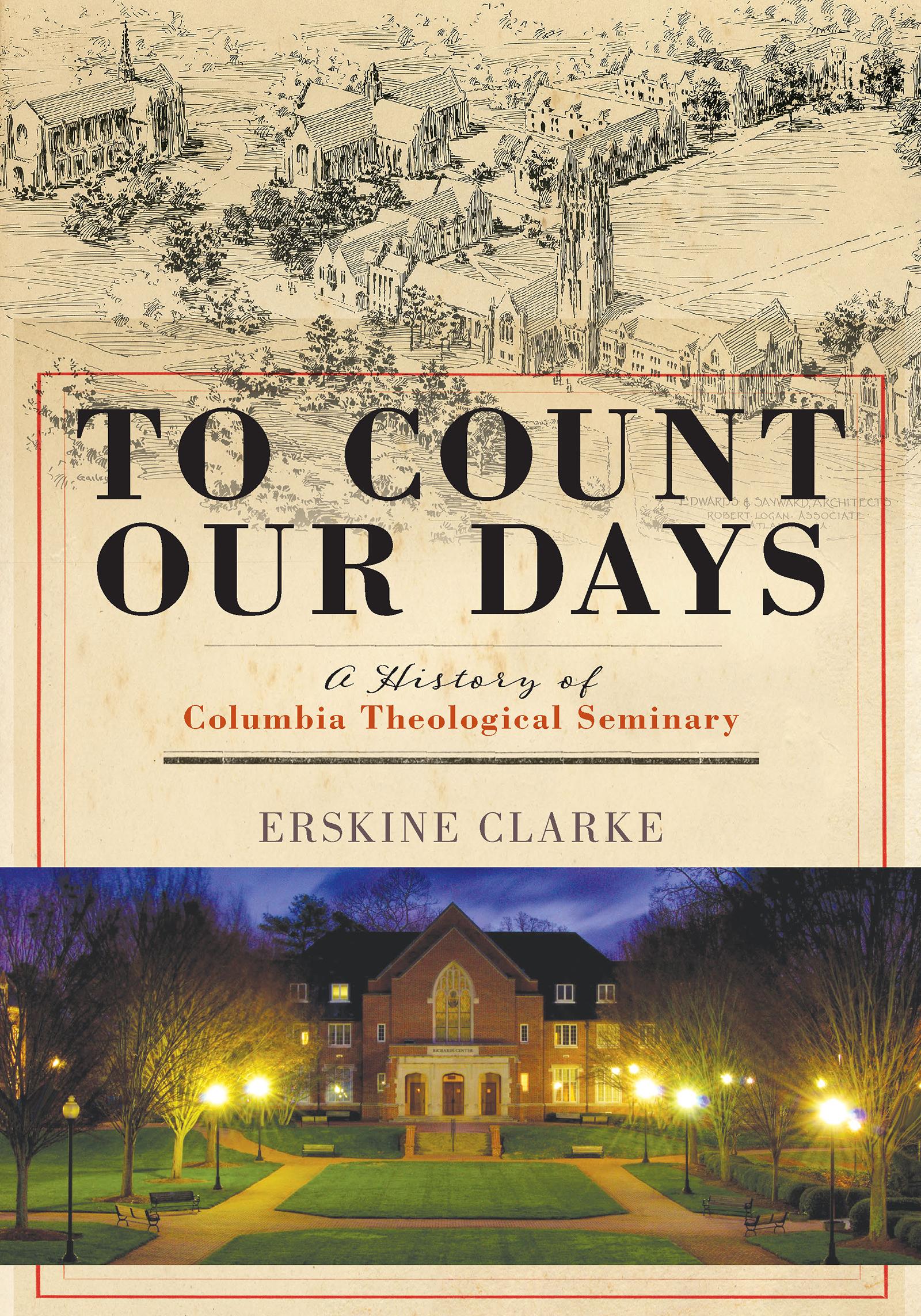
An investigation of the institution as a focal point for the many important cultural shifts with which the South and the wider Church have wrestled historically
Columbia Theological Seminary's rich history provides a window into the social and intellectual life of the American South. Founded in 1828 as a Presbyterian seminary for the preparation of well-educated, mannerly ministers, it was located during its first one hundred years in Columbia, South Carolina. During the antebellum period, it was known for its affluent and intellectually sophisticated board, faculty, and students. Its leaders sought to follow a middle way on the great intellectual and social issues of the day, including slavery. Columbia's leaders, Unionists until the election of Lincoln, became ardent supporters of the Confederacy. While the seminary survived the burning of the city in 1865, it was left impoverished and poorly situated to meet the challenges of the modern world. Nevertheless, the seminary entered a serious debate about Darwinism. Professor James Woodrow, uncle of Woodrow Wilson, advocated a modest Darwinism, but reactionary forces led the seminary into a growing provincialism and intellectual isolation.
In 1928 the seminary moved to metropolitan Atlanta signifying a transition from the Old South toward the New (mercantile) South. The seminary brought to its handsome new campus the theological commitments and racist assumptions that had long marked it. Under the leadership of James McDowell Richards, Columbia struggled against its poverty, provincialism, and deeply embedded racism. By the final decade of the twentieth century, Columbia had become one of the most highly endowed seminaries in the country, had internationally recognized faculty, and had students from all over the world and many Christian denominations.
By the early years of the twenty-first century, Columbia had embraced a broad diversity in faculty and student. Columbia's evolution has challenged assumptions about what it means to be Presbyterian, southern, and American, as the seminary continues its primary mission of providing the church a learned ministry.
Pay easily by card, Klarna, Apple Pay or Google Pay. Not happy? You always have a 14-day money-back guarantee. Read more in our terms. If you have any questions, email us at hello@memmo.org.
Memmo makes studying easier – wherever you are in the world. We bring your course books and smart study tools together in one place: summaries, quizzes, podcasts and flashcards. Plus Ted, your study buddy who answers anything you wonder. Over 50,000 students already study here – built to help you learn faster and stress less.