
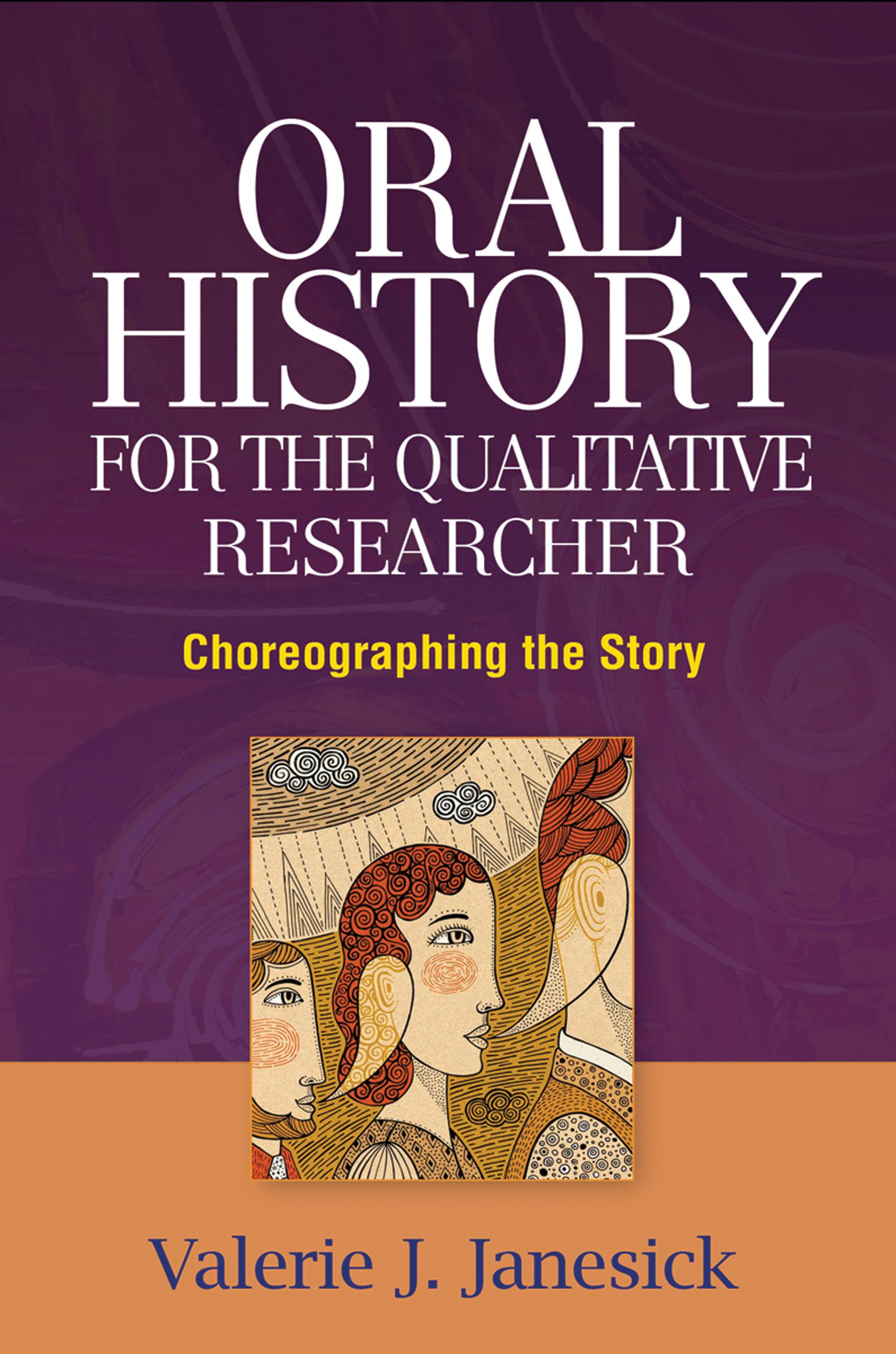
Oral history is a particularly useful way to capture ordinary people's lived experiences. This innovative book introduces the full array of oral history research methods and invites students and qualitative researchers to try them out in their own work. Using choreography as an organizing metaphor, the author presents creative strategies for collecting, representing, analyzing, and interpreting oral history data. Instructive exercises and activities help readers develop specific skills, such as nonparticipant observation, interviewing, and writing, with a special section on creating found data poems from interview transcripts. Also covered are uses of journals, court transcripts, and other documents; Internet resources, such as social networking sites; and photography and video. Emphasizing a social justice perspective, the book includes excerpts of oral histories from 9/11 and Hurricane Katrina, among other detailed case examples.
Pay easily by card, Klarna, Apple Pay or Google Pay. Not happy? You always have a 14-day money-back guarantee. Read more in our terms. If you have any questions, email us at hello@memmo.org.
Memmo makes studying easier – wherever you are in the world. We bring your course books and smart study tools together in one place: summaries, quizzes, podcasts and flashcards. Plus Ted, your study buddy who answers anything you wonder. Over 50,000 students already study here – built to help you learn faster and stress less.