
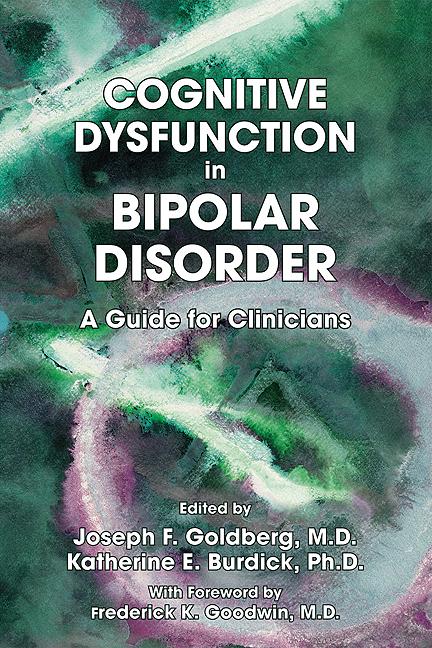
A growing body of clinical and experimental evidence shows that neurocognitive dysfunction is a fundamental -- yet frequently ignored or misidentified -- component of bipolar disorder. The first comprehensive book of its kind, Cognitive Dysfunction in Bipolar Disorder: A Guide for Clinicians compiles the latest data in neuropsychology, neuroimaging, neurogenetics, and functional outcomes research to enable clinicians to more effectively utilize pharmacological and psychotherapeutic techniques in their treatment of bipolar disorder.
This volume outlines and demystifies current knowledge about neuropsychological functioning in bipolar disorder in a reader-friendly, easy-to-understand guide for practitioners. Its 12 chapters, written by 23 internationally-renowned expert contributors, examine such topics as attentional and executive functioning, neuroimaging and genetic correlates of cognitive functioning, pharmacological strategies, bipolar disorder in pediatric patients, and cognition across the life span.
The book also comes with the added benefit of A review of neurocognitive domains, examples of their operation in everyday life, the neuroanatomical regions with which they are associated, and common tests used to assess their function Summarized data from large-scale clinical trials, including the National Institute of Mental Health Antipsychotic Trials of Intervention Effectiveness (CATIE) study Take-home points at the end of each chapter summarizing main concepts and "clinical pearls" Case studies and illustrative examples depicting the application of specific neurocognitive principles
Using relevant applications from cognitive neuroscience, Cognitive Dysfunction in Bipolar Disorder provides clinicians with a comprehensive overview of astounding breakthroughs in the assessment and treatment of patients with bipolar disorder. It plows new ground in the mental health industry, correcting distortions and laying the foundation for future clinical research in this rapidly expanding field.
Pay easily by card, Klarna, Apple Pay or Google Pay. Not happy? You always have a 14-day money-back guarantee. Read more in our terms. If you have any questions, email us at hello@memmo.org.
Memmo makes studying easier – wherever you are in the world. We bring your course books and smart study tools together in one place: summaries, quizzes, podcasts and flashcards. Plus Ted, your study buddy who answers anything you wonder. Over 75,000 students already study here – built to help you learn faster and stress less.