
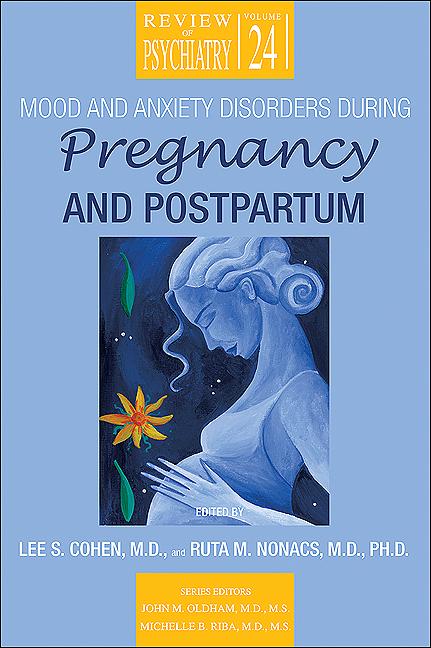
Mood and Anxiety Disorders During Pregnancy and Postpartum earns its important place in the literature by detailing our current understanding of the course, diagnosis, and treatment of psychiatric illness during pregnancy and postpartum, including breast-feeding -- a top priority today because we now know that active maternal psychiatric illness during pregnancy and postpartum can exert long-term negative effects on child development and cause significant morbidity for the mother.
In just five concise richly informative chapters, the nine distinguished contributors to Mood and Anxiety Disorders During Pregnancy and Postpartum dispel prevailing beliefs and offer invaluable guidance in treating women during pregnancy and postpartum: Course of Psychiatric Illness During Pregnancy and the Postpartum Period -- Despite the enduring belief that pregnancy is a time of emotional well-being for women, emerging data show that pregnancy is instead a time of increased vulnerability to psychiatric illness. Diagnosis and Treatment of Mood and Anxiety Disorders During Pregnancy -- Though the use of psychotropic medications during pregnancy and postpartum raises concerns, the accumulating data support the use of certain SSRIs/tricyclic antidepressants, especially when balanced against the risk to both mother and child of depression during pregnancy. Management of Bipolar Disorder During Pregnancy and the Postpartum Period: Weighing the Risks and Benefits -- Although the onset of bipolar disorder (BP) tends to occur during women's reproductive years, surprisingly little is known about the impact of the menstrual cycle, pregnancy, postpartum, breast-feeding, and menopause on the course and treatment of bipolar disorder. Postpartum Mood Disorders -- Women experience a dramatic increase in their risk of developing severe psychiatric illness during postpartum for a full year after delivery. Often overlooked, postpartum disorders must be identified and treated as early as possible to reduce the mother's risk for recurrent and treatment-refractory illness and the child's risk for long-term development problems due to the detrimental effect of maternal depression. Use of Antidepressants and Mood Stabilizers in Breast-feeding Women -- This expanded clinical appraisal of the literature on antidepressant and mood stabilizer use in breast-feeding women shows that additional detailed pharmacokinetic investigations are urgently needed to enhance our understanding of nursing infant exposure and the role(s) of pharmacogenomics in determining infant exposure.
Meticulously referenced and remarkably succinct, Mood and Anxiety Disorders During Pregnancy and Postpartum provides critical information about the course of illness during pregnancy and postpartum to help guide effective individualized treatment decisions-decisions that are ultimately based on the patient's wishes.
Pay easily by card, Klarna, Apple Pay or Google Pay. Not happy? You always have a 14-day money-back guarantee. Read more in our terms. If you have any questions, email us at hello@memmo.org.
Memmo makes studying easier – wherever you are in the world. We bring your course books and smart study tools together in one place: summaries, quizzes, podcasts and flashcards. Plus Ted, your study buddy who answers anything you wonder. Over 75,000 students already study here – built to help you learn faster and stress less.