
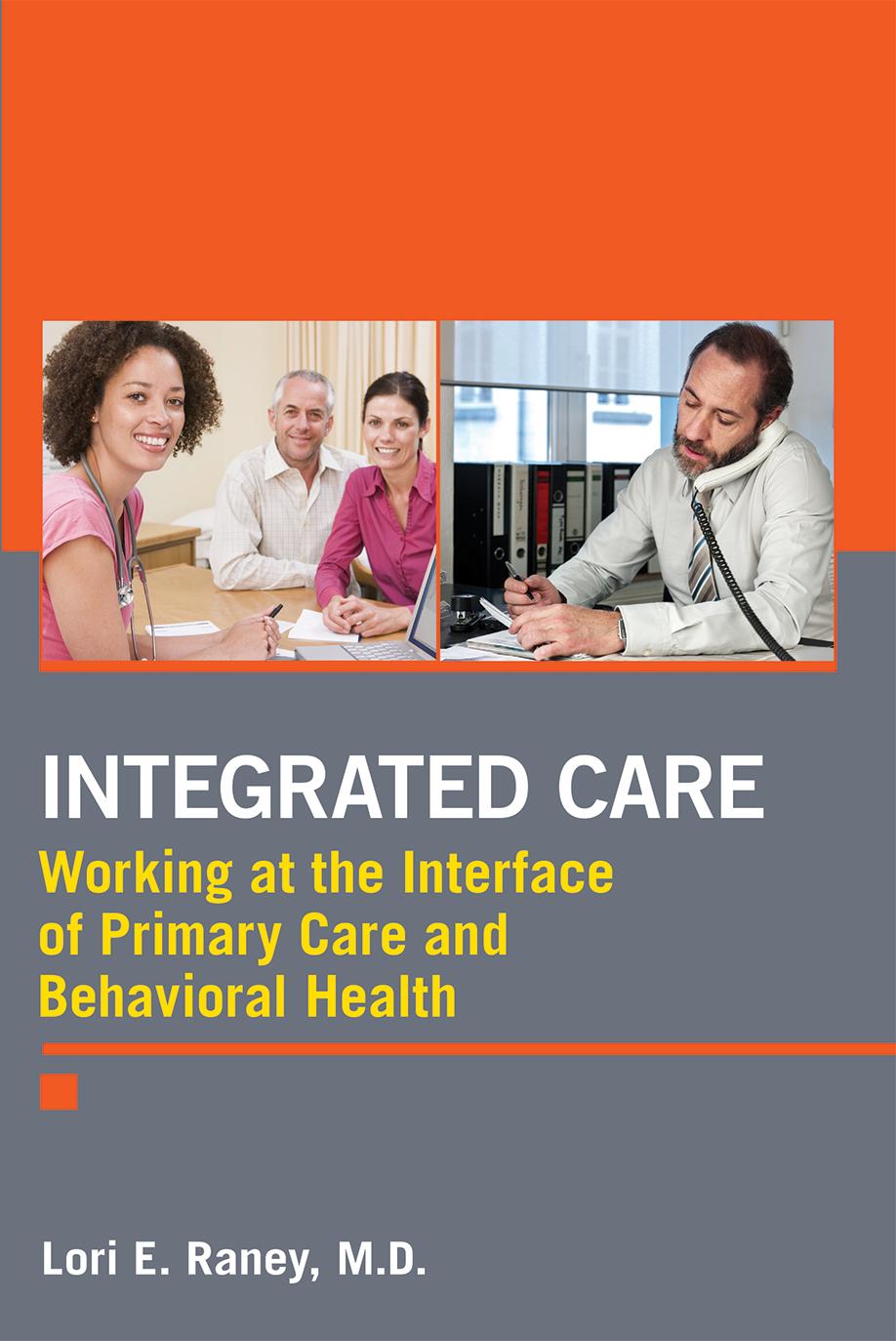
The goals of Integrated Care: Working at the Interface of Primary Care and Behavioral Health are to educate psychiatrists about the fundamental shift underway in health care and to prepare them to be successful and effective in the new health care arena. The passage and implementation of the Patient Protection and Affordable Care Act presents an opportunity for newly insured patients and for funding models of integrated care, enabling psychiatrists to have a more significant population-level impact. The only book of its kind, the guide defines integrated care, reviews the evidence base, and addresses the three potential benefits of this model of care: improved outcomes, cost containment, and enhanced patient experience (also known as the "triple aim"). The new models of integrated care presented in this book are population-based, which is the key to improved outcomes, and they represent a change in how medicine in general and psychiatry in particular will approach health care delivery moving forward.
The book's features are both high-impact and user-friendly: The book is divided into two sections, "Behavioral Health in Primary Care Settings" and "Primary Care in Behavioral Health Care Settings," with Section 1 focused on improving the detection and treatment of behavioral health conditions by integrating behavioral health services into primary care settings and Section 2 focused on improving the health status of patient populations with serious mental illness by integrating primary care into behavioral health treatment. Each chapter presents a set of "core principles of effective collaborative care," which serve as a guide for the structure and provision of care for the varying models, regardless of the setting. Contributors provide dozens of examples that highlight the impact psychiatrists can make in achieving the triple aim of improved outcomes, cost containment, and enhanced experience. Detailed case vignettes integrated throughout the book bring concepts to life and help clinicians to understand and improve the patient-provider relationship.
The information presented in these chapters allows both practicing psychiatrists and those in training to develop a skill set essential to designing, working in, teaching, or promoting an integrated care program within a health care system. Evidence based and timely, Integrated Care: Working at the Interface of Primary Care and Behavioral Health is a must read for clinicians in the brave new world of health care reform.
Pay easily by card, Klarna, Apple Pay or Google Pay. Not happy? You always have a 14-day money-back guarantee. Read more in our terms. If you have any questions, email us at hello@memmo.org.
Memmo makes studying easier – wherever you are in the world. We bring your course books and smart study tools together in one place: summaries, quizzes, podcasts and flashcards. Plus Ted, your study buddy who answers anything you wonder. Over 75,000 students already study here – built to help you learn faster and stress less.