
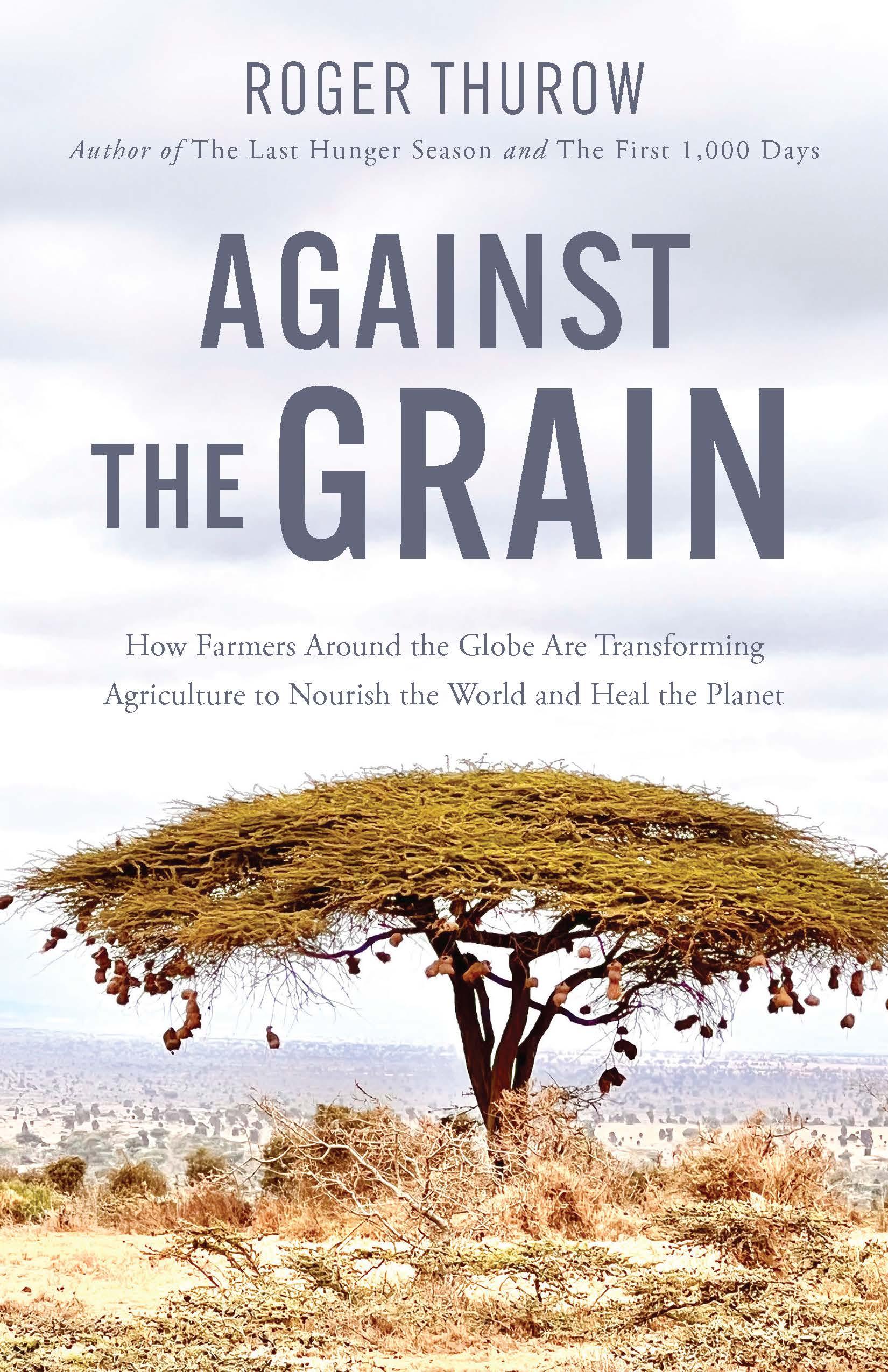
When famine, drought, and malnutrition plagued their communities, these farmers tried something revolutionary—and managed to nourish their families and their land in the process.
Farmers in some of the world’s oldest agricultural areas—Africa’s Great Rift Valley, India’s Indo-Gangetic Plain, the Highlands of Central America, and the Great Plains of the U.S.—were toiling year after year, only to find that modern industrial agriculture was turning on itself. The very practices that they were using to grow food yesterday were making it more difficult to grow food today. Pesticides used to protect their crops were killing off beneficial biodiversity. Monocropping was depleting the soil of necessary nutrients. And deforestation was making the land hotter and drier. Industrial agriculture’s effects on our climate and environment were multiplying and worsening, until the very families growing the world’s food were starving.
But some of these farmers took a gamble and changed their practices to work with nature rather than bending nature to their will. They terraced the land to catch more rainwater and prevent soil runoff; they planted a diverse range of vegetables that would balance the nutrients in the soil; they replaced commercial fertilizers with organic matter from their own farms; they planted more trees and drought-resistant grains; and, perhaps most importantly, they taught their communities by example that these regenerative farming methods paid off—both in nourishing their families and in bringing their land back to life.
Award-winning author and journalist Roger Thurow shares their stories, highlighting the conflicts inherent in our most important human endeavor: feeding the world using the methods of industrial agriculture is stripping the land of its ability to feed future generations. But, as Thurow points out, these farmers are starting a new kind of revolution, nourishing both humans and the land, and following their lead could help us solve one of the great crises of our time.
Pay easily by card, Klarna, Apple Pay or Google Pay. Not happy? You always have a 14-day money-back guarantee. Read more in our terms. If you have any questions, email us at hello@memmo.org.
Memmo makes studying easier – wherever you are in the world. We bring your course books and smart study tools together in one place: summaries, quizzes, podcasts and flashcards. Plus Ted, your study buddy who answers anything you wonder. Over 50,000 students already study here – built to help you learn faster and stress less.