
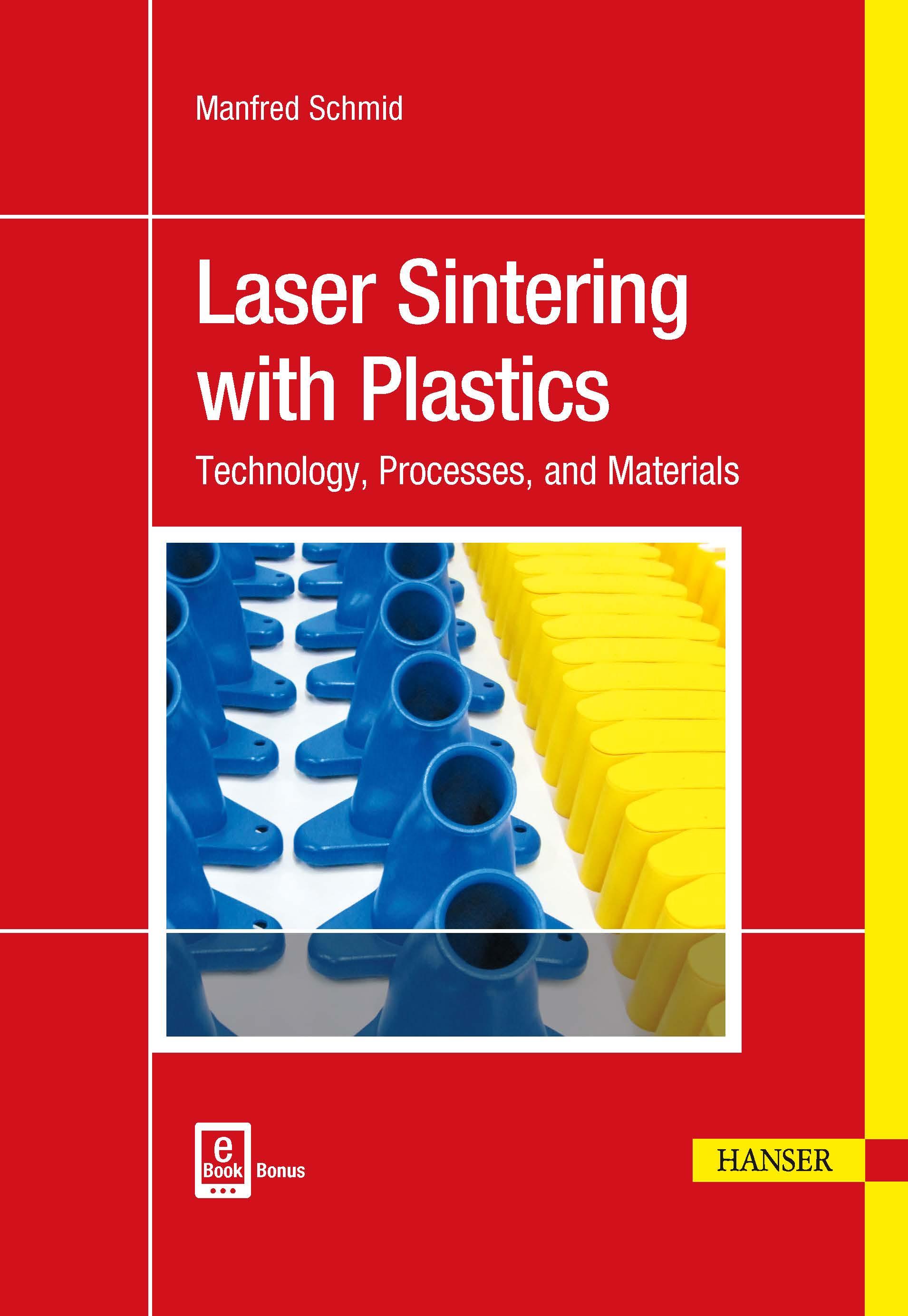
Laser Sintering (LS) with plastics is one of the most promising additive manufacturing technologies: it is currently regarded as the process most likely in the future to permanently cross the border between prototyping and the production of functional parts. This step is challenging because it means that the technology must meet certain requirements that are also valid for traditional and established production processes. Only by succeeding at this step can a wide industry acceptance of LS be expected in the future.
In this context, this book covers all levels of the LS process chain, including:
•Current state of the machine technology
•Essential process steps, both before and during sintering
•Specific demands of the materials, powder production methods, and evaluation of powder properties
•Mechanical properties and density of the parts produced by LS
Examples of LS-produced parts are given, including those with special design features, to illustrate the characteristics and also the limitations of the LS method. In particular, the distinct advantages of LS parts over parts produced with other plastics processing methods (e.g., injection molding) are discussed.
Pay easily by card, Klarna, Apple Pay or Google Pay. Not happy? You always have a 14-day money-back guarantee. Read more in our terms. If you have any questions, email us at hello@memmo.org.
Memmo makes studying easier – wherever you are in the world. We bring your course books and smart study tools together in one place: summaries, quizzes, podcasts and flashcards. Plus Ted, your study buddy who answers anything you wonder. Over 50,000 students already study here – built to help you learn faster and stress less.
You might also like
Buy the book0