
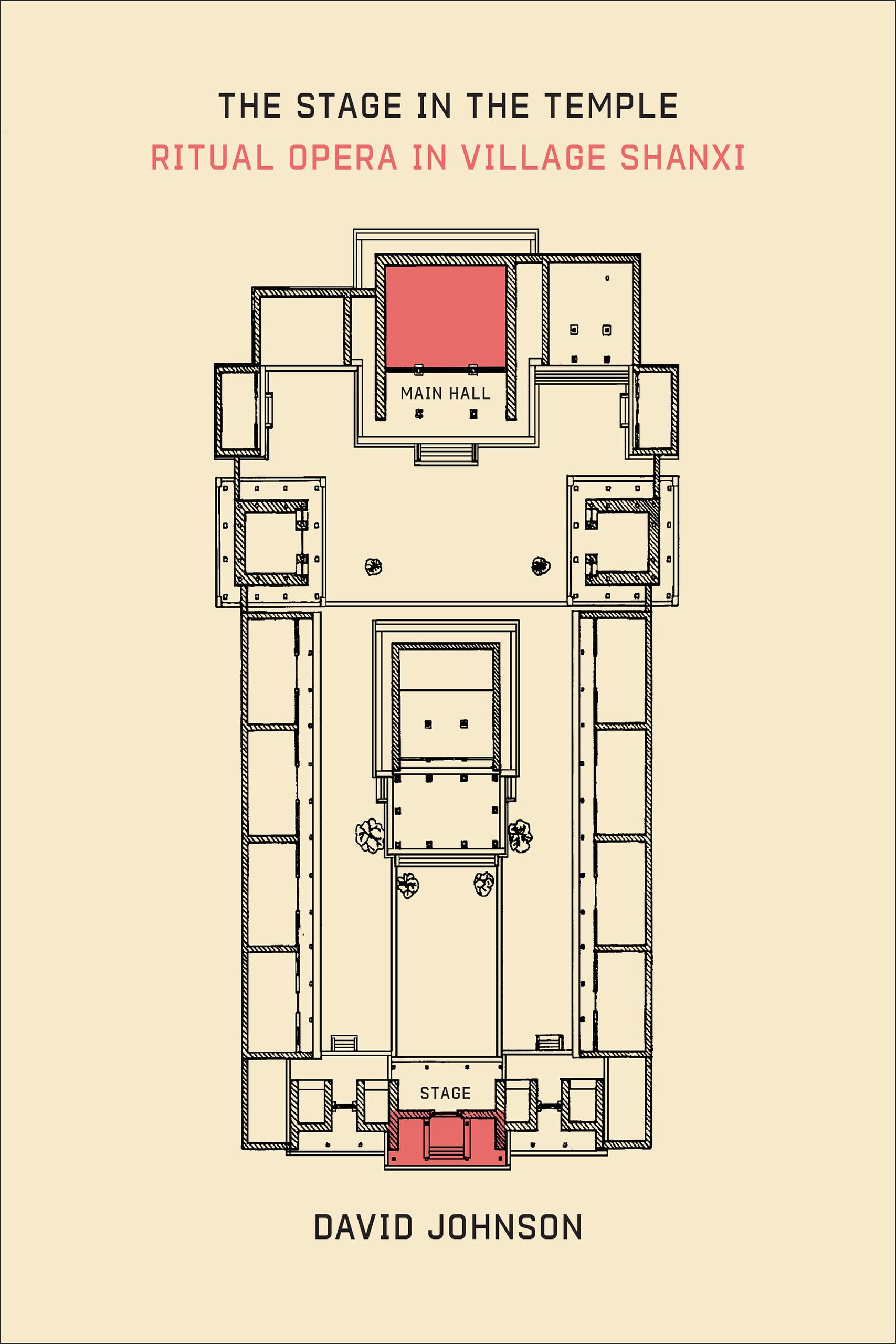
Villages in China’s Shanxi province celebrated the birthdays of local gods with large festivals. The celebrations included solemn rituals performed in the god’s temple. They also included grand banquets of food and programs of opera. Temples in the countryside always included stages. The stages faced the statues of the gods in their great hall, who were the real audience, though villagers were also present. Both stage and great hall were in the temple compound, hence the title of the book. The operas were based on stories from Chinese history. Love stories, crime and punishment stories, and farces were not allowed. These ritual operas were called "Za Opera" in Shanxi and many other regions as well. Za Opera first appeared in capital and countryside in the eleventh century. As other operatic genres appeared in later times, Za Opera became strictly village opera. It was virtually ignored by educated town and city dwellers until recently. Hence it changed little and provides important information about the history of Chinese drama.
Pay easily by card, Klarna, Apple Pay or Google Pay. Not happy? You always have a 14-day money-back guarantee. Read more in our terms. If you have any questions, email us at hello@memmo.org.
Memmo makes studying easier – wherever you are in the world. We bring your course books and smart study tools together in one place: summaries, quizzes, podcasts and flashcards. Plus Ted, your study buddy who answers anything you wonder. Over 75,000 students already study here – built to help you learn faster and stress less.
You might also like
Buy the book0