
Who can and should conduct ethnographic research? How can we transform an idea into a research question, and how can that question, in turn, be developed into a research design that produces comprehensible data?
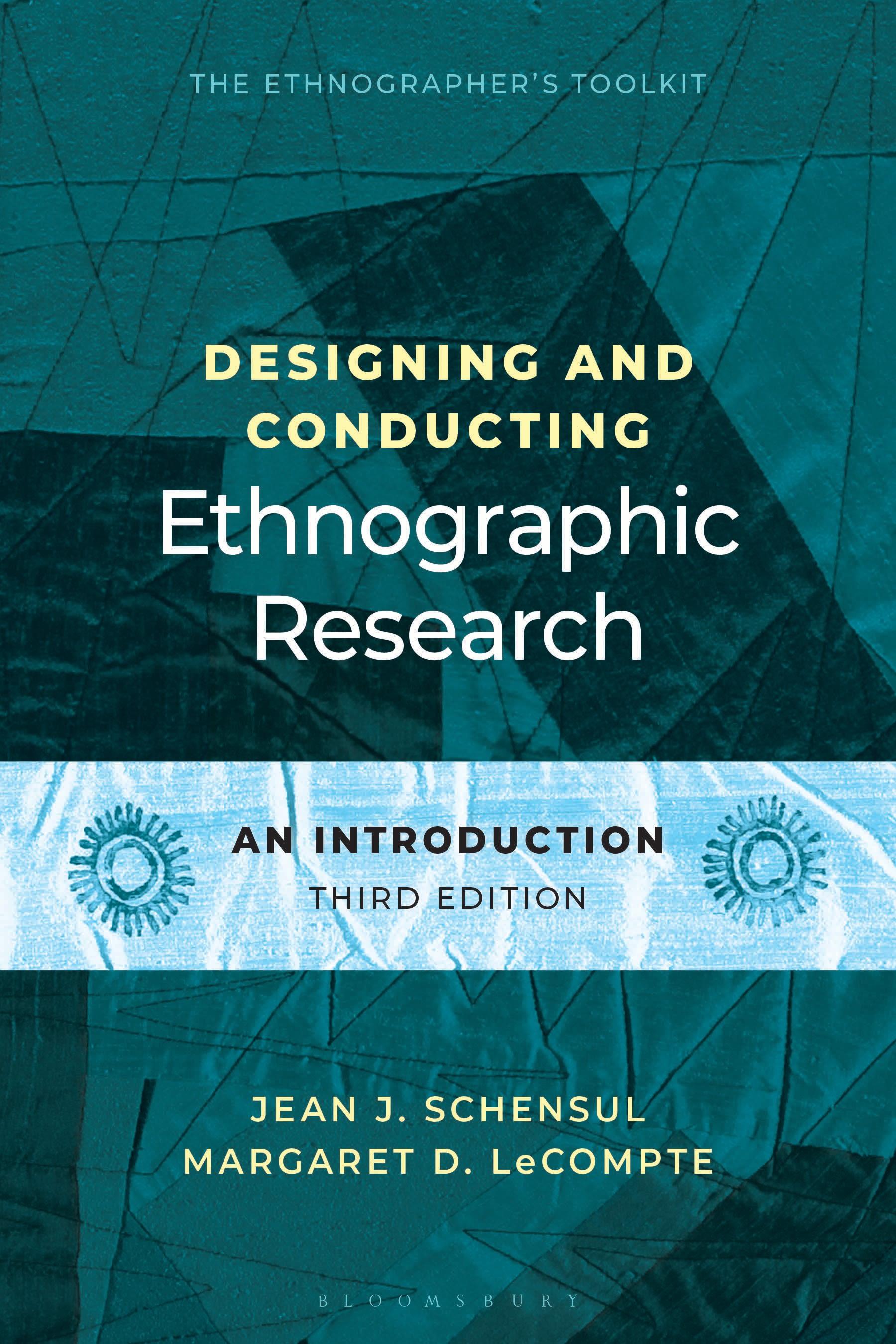
Designing and Conducting Ethnographic Research, Third Edition, is a comprehensive introduction to ethnographic methods. It opens by defining ethnography and considering ethical challenges in the field before exploring major theories and ways of thinking in ethnographic research. The book then offers a general overview of qualitative and quantitative research, including the many different approaches to designing studies, and dives into developing a good research question. A discussion of data collection and analysis are then followed by an exploration of how ethnography is used to solve critical social, health, education, and cultural issues as well as emerging trends in ethnography.
Designing and Conducting Ethnographic Research is the first book in The Ethnographer's Toolkit, a series of texts on how to plan, design, carry out, and use the results of applied ethnographic research.
New to This Edition:
--A new discussion of the decolonization of research and changes in researcher stance sheds light on alternative ethnographic interventions and raises questions of what ethnography could and should be
--New Chapter 10, “Emerging Trends in Ethnography,” covers burgeoning uses of artificial intelligence and other digital technologies as well as Indigenous and art-based research approaches and methods
--A new discussion of what research questions are, how they are formulated at different levels, and how they guide data collection enables beginner researchers to create stronger studies
--An exploration of new ethical challenges in the field, including in digital and online research, offers early ethnographers the knowledge and tools to address new and emerging ethical concerns
Designing and Conducting Ethnographic Research, Third Edition, is a comprehensive introduction to ethnographic methods. It opens by defining ethnography and considering ethical challenges in the field before exploring major theories and ways of thinking in ethnographic research. The book then offers a general overview of qualitative and quantitative research, including the many different approaches to designing studies, and dives into developing a good research question. A discussion of data collection and analysis are then followed by an exploration of how ethnography is used to solve critical social, health, education, and cultural issues as well as emerging trends in ethnography.
Designing and Conducting Ethnographic Research is the first book in The Ethnographer's Toolkit, a series of texts on how to plan, design, carry out, and use the results of applied ethnographic research.
New to This Edition:
--A new discussion of the decolonization of research and changes in researcher stance sheds light on alternative ethnographic interventions and raises questions of what ethnography could and should be
--New Chapter 10, “Emerging Trends in Ethnography,” covers burgeoning uses of artificial intelligence and other digital technologies as well as Indigenous and art-based research approaches and methods
--A new discussion of what research questions are, how they are formulated at different levels, and how they guide data collection enables beginner researchers to create stronger studies
--An exploration of new ethical challenges in the field, including in digital and online research, offers early ethnographers the knowledge and tools to address new and emerging ethical concerns
Pages: 416
Category: Vetenskapsteori och forskningsmetod
e-ISBN: 9781538191255
Shipping weight: 1.2 kg
Ships in: 1-2 days
Pay easily by card, Klarna, Apple Pay or Google Pay. Not happy? You always have a 14-day money-back guarantee. Read more in our terms. If you have any questions, email us at hello@memmo.org.
Memmo makes studying easier – wherever you are in the world. We bring your course books and smart study tools together in one place: summaries, quizzes, podcasts and flashcards. Plus Ted, your study buddy who answers anything you wonder. Over 50,000 students already study here – built to help you learn faster and stress less.