
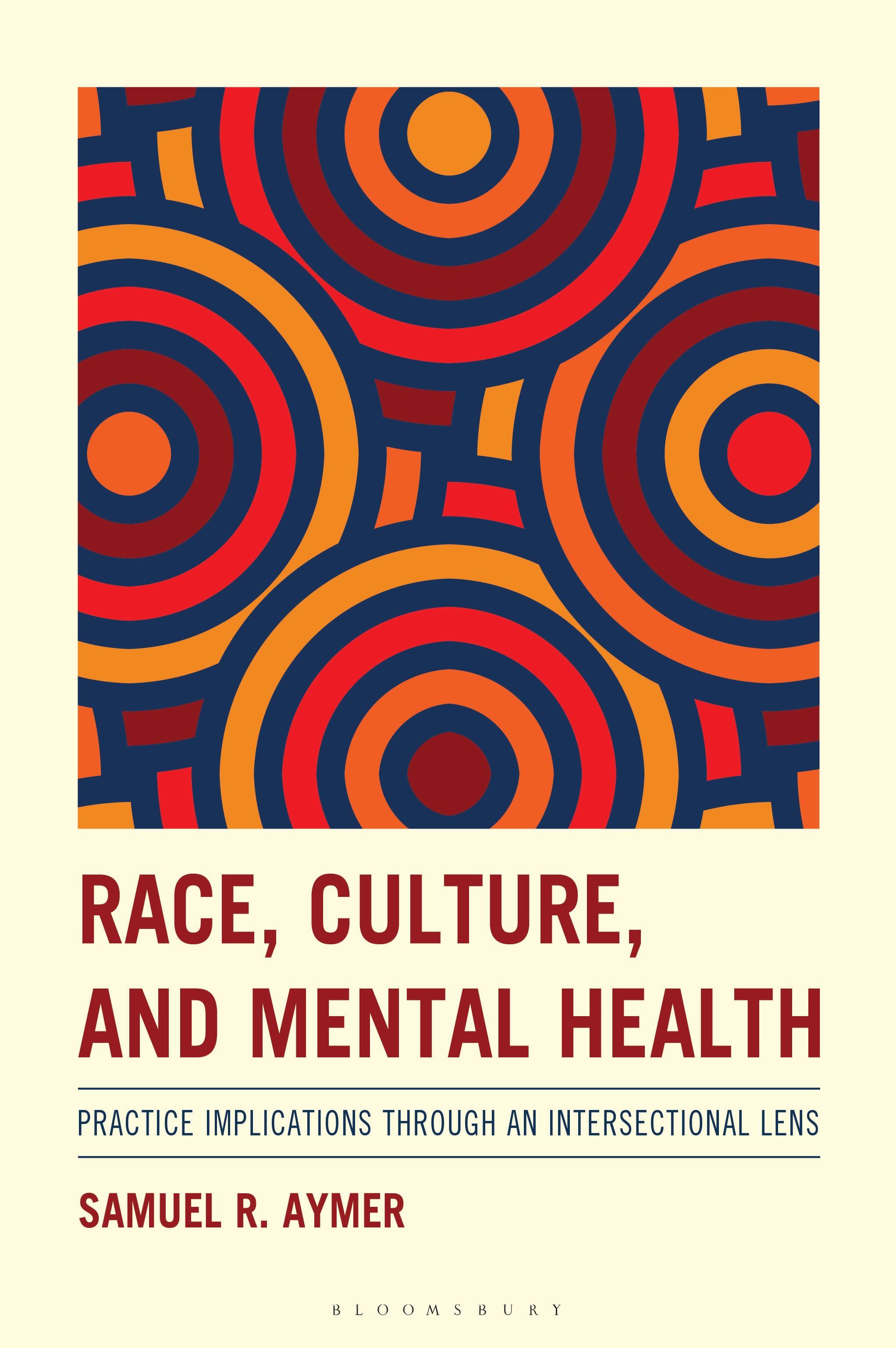
What happens when trauma meets systemic injustice?
This book delivers a powerful framework for clinicians, educators, and mental health professionals seeking to understand and intervene in the lives of clients whose struggles are rooted in trauma and compounded by racism, oppression, and other social “ISMS.” It challenges practitioners to move beyond surface-level diversity conversations and confront the deep psychosocial impact of power, privilege, and systemic inequities.
Grounded in anti-oppression principles, the text explores how racial history, white supremacy, gender bias, homophobia, and other social toxins shape identity and mental health. It equips readers with strategies to apply an anti-oppressive lens in clinical practice-evaluating trauma through the prism of systemic socio-cultural factors. Unlike traditional multicultural counseling resources, this book integrates psychodynamic thinking with sociocultural theory, preparing professionals to address stigma, bias, and race-based dehumanization that manifest as anxiety, mistrust, and psychic numbing.
Through a socio-political and cultural analysis, readers gain insight into how microaggressions, police harassment, and daily racialized stressors culminate in profound psychological symptoms. Practical tools and case-based applications help clinicians engage, assess, and intervene effectively with individuals and families navigating these realities.
Designed for students and practitioners in social work, counseling, marriage and family therapy, and allied mental health fields, this book offers more than theory-it provides actionable strategies to foster resilience and healing in a world marked by inequity.
This book delivers a powerful framework for clinicians, educators, and mental health professionals seeking to understand and intervene in the lives of clients whose struggles are rooted in trauma and compounded by racism, oppression, and other social “ISMS.” It challenges practitioners to move beyond surface-level diversity conversations and confront the deep psychosocial impact of power, privilege, and systemic inequities.
Grounded in anti-oppression principles, the text explores how racial history, white supremacy, gender bias, homophobia, and other social toxins shape identity and mental health. It equips readers with strategies to apply an anti-oppressive lens in clinical practice-evaluating trauma through the prism of systemic socio-cultural factors. Unlike traditional multicultural counseling resources, this book integrates psychodynamic thinking with sociocultural theory, preparing professionals to address stigma, bias, and race-based dehumanization that manifest as anxiety, mistrust, and psychic numbing.
Through a socio-political and cultural analysis, readers gain insight into how microaggressions, police harassment, and daily racialized stressors culminate in profound psychological symptoms. Practical tools and case-based applications help clinicians engage, assess, and intervene effectively with individuals and families navigating these realities.
Designed for students and practitioners in social work, counseling, marriage and family therapy, and allied mental health fields, this book offers more than theory-it provides actionable strategies to foster resilience and healing in a world marked by inequity.
Pay easily by card, Klarna, Apple Pay or Google Pay. Not happy? You always have a 14-day money-back guarantee. Read more in our terms. If you have any questions, email us at hello@memmo.org.
Memmo makes studying easier – wherever you are in the world. We bring your course books and smart study tools together in one place: summaries, quizzes, podcasts and flashcards. Plus Ted, your study buddy who answers anything you wonder. Over 50,000 students already study here – built to help you learn faster and stress less.