
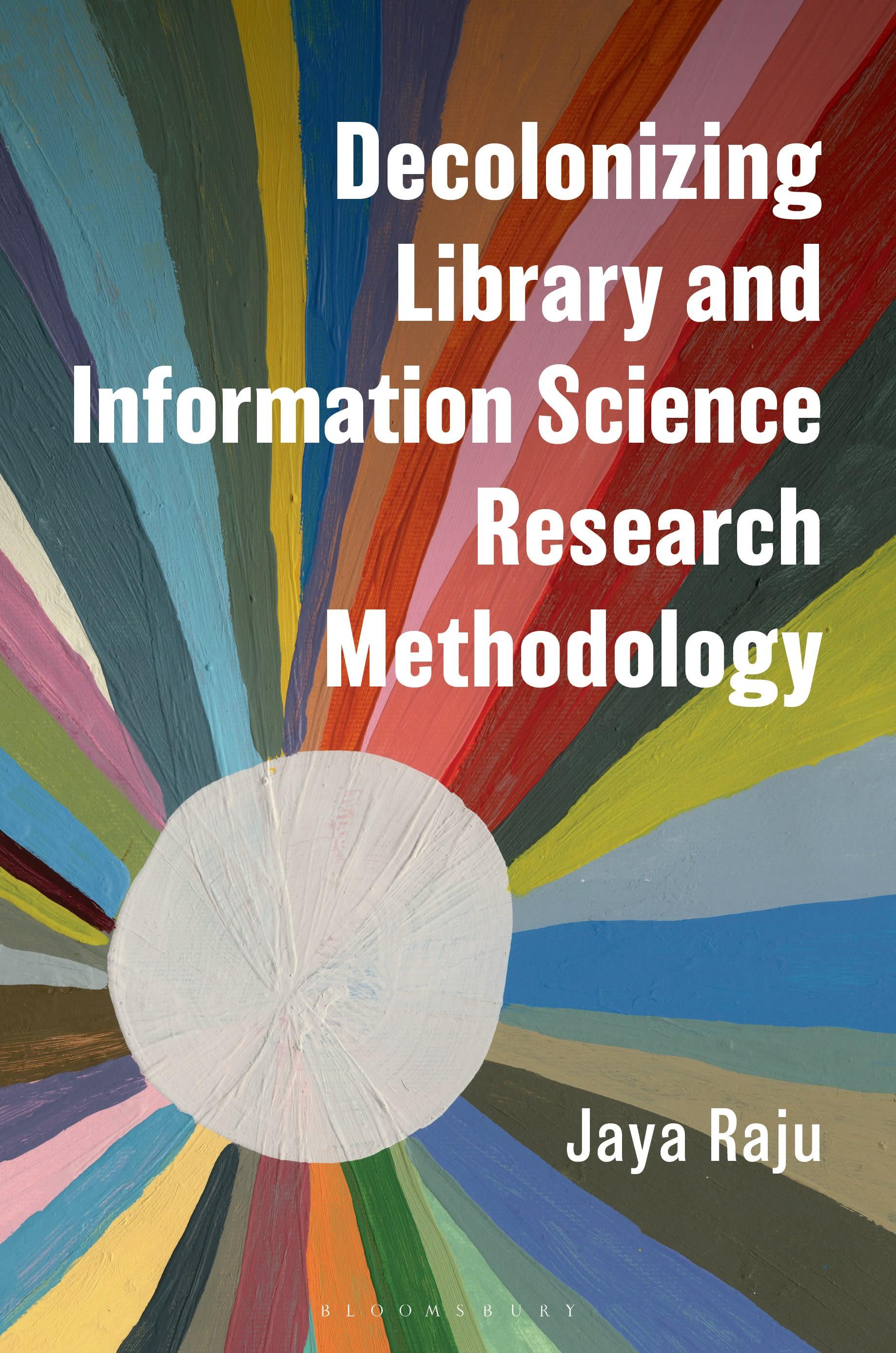
Engage decolonial perspectives in LIS research methodology.
“Information” as conceptualized in the discipline of Library and Information Science (LIS) is not neutral. Library and information services increasingly, in the current digital information age, engage historical, cultural, social, economic, and political forces that interact with information. Such forces may use information to advance dominant epistemic agendas; hence there is a need for LIS researchers, students, practitioners, and other relevant stakeholders to critically interrogate and disrupt these forces in their curation of information for use in research, practice, theory development, policy application, etc.
This book engages decolonial perspectives in LIS research methodology for a transformative and critically reflexive approach to research that is community-based, culturally responsive and impactful for Indigenous and other historically marginalized communities. It positions decolonization as rejecting the privileging in scholarship of dominant western knowledge systems and intellectual traditions. Instead, it calls for the centering of perspectives, insights, and knowledges of Indigenous and other marginalized societies so that research may be inclusive of all knowledge systems, respectful of the researched, and of different ways of knowing embedded in the worldviews of others.
“Information” as conceptualized in the discipline of Library and Information Science (LIS) is not neutral. Library and information services increasingly, in the current digital information age, engage historical, cultural, social, economic, and political forces that interact with information. Such forces may use information to advance dominant epistemic agendas; hence there is a need for LIS researchers, students, practitioners, and other relevant stakeholders to critically interrogate and disrupt these forces in their curation of information for use in research, practice, theory development, policy application, etc.
This book engages decolonial perspectives in LIS research methodology for a transformative and critically reflexive approach to research that is community-based, culturally responsive and impactful for Indigenous and other historically marginalized communities. It positions decolonization as rejecting the privileging in scholarship of dominant western knowledge systems and intellectual traditions. Instead, it calls for the centering of perspectives, insights, and knowledges of Indigenous and other marginalized societies so that research may be inclusive of all knowledge systems, respectful of the researched, and of different ways of knowing embedded in the worldviews of others.
Pages: 260
Category: Vetenskapsteori och forskningsmetod
e-ISBN: 9781538187494
Shipping weight: 1.2 kg
Ships in: 1-2 days
Pay easily by card, Klarna, Apple Pay or Google Pay. Not happy? You always have a 14-day money-back guarantee. Read more in our terms. If you have any questions, email us at hello@memmo.org.
Memmo makes studying easier – wherever you are in the world. We bring your course books and smart study tools together in one place: summaries, quizzes, podcasts and flashcards. Plus Ted, your study buddy who answers anything you wonder. Over 50,000 students already study here – built to help you learn faster and stress less.