
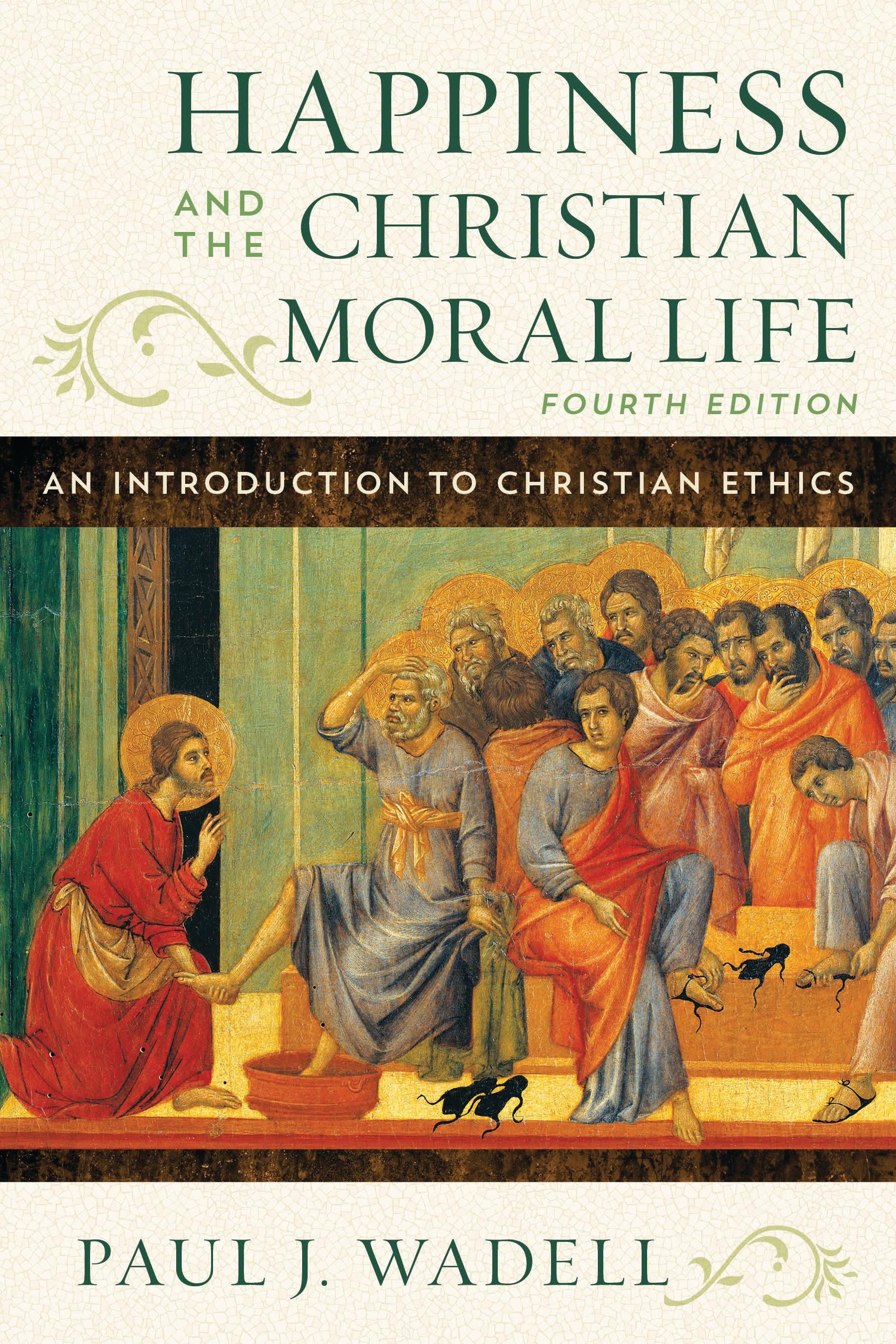
As one of the most widely adopted textbooks in the field, Happiness and the Christian Moral Life introduces students to Christian ethics through the lens of happiness. Drawing on classical and contemporary Christian sources, Paul Wadell proposes that the heart of the moral life is not rules and obligations but our deep desire for happiness and fulfillment.
The fourth edition of this accessible and student-friendly text has been revised and updated throughout. It introduces Christian ethics with sensitivity towards readers who may not be Christian themselves. After setting out the principal argument of the book in the opening chapter, subsequent chapters explore the importance of narrative or story for Christian ethics; a Christian understanding of the person and vocation; the role of the virtues in our quest for happiness; the centrality of justice in the moral life; the place of friendship and community in a good and flourishing life; a Christian theology of freedom; how sin hinders one’s growth in happiness; the meaning and importance of conscience; and a Christian understanding of love.
The fourth addition also includes new sections on several topics, such as the Beatitudes; forgiveness and reconciliation; the social thought of Pope Francis; the challenges of climate change and global warming; recent thinking on gender and sexual ethics (by theologian Bridget Burke Ravizza); a “politics of charity”; and racism and ongoing racial conflict. This edition also features fresh, global examples, revised introductions to key thinkers and figures, expanded treatment of the theological virtues, and a list of key terms at the end of every chapter.
The fourth edition of this accessible and student-friendly text has been revised and updated throughout. It introduces Christian ethics with sensitivity towards readers who may not be Christian themselves. After setting out the principal argument of the book in the opening chapter, subsequent chapters explore the importance of narrative or story for Christian ethics; a Christian understanding of the person and vocation; the role of the virtues in our quest for happiness; the centrality of justice in the moral life; the place of friendship and community in a good and flourishing life; a Christian theology of freedom; how sin hinders one’s growth in happiness; the meaning and importance of conscience; and a Christian understanding of love.
The fourth addition also includes new sections on several topics, such as the Beatitudes; forgiveness and reconciliation; the social thought of Pope Francis; the challenges of climate change and global warming; recent thinking on gender and sexual ethics (by theologian Bridget Burke Ravizza); a “politics of charity”; and racism and ongoing racial conflict. This edition also features fresh, global examples, revised introductions to key thinkers and figures, expanded treatment of the theological virtues, and a list of key terms at the end of every chapter.
Pay easily by card, Klarna, Apple Pay or Google Pay. Not happy? You always have a 14-day money-back guarantee. Read more in our terms. If you have any questions, email us at hello@memmo.org.
Memmo makes studying easier – wherever you are in the world. We bring your course books and smart study tools together in one place: summaries, quizzes, podcasts and flashcards. Plus Ted, your study buddy who answers anything you wonder. Over 50,000 students already study here – built to help you learn faster and stress less.