
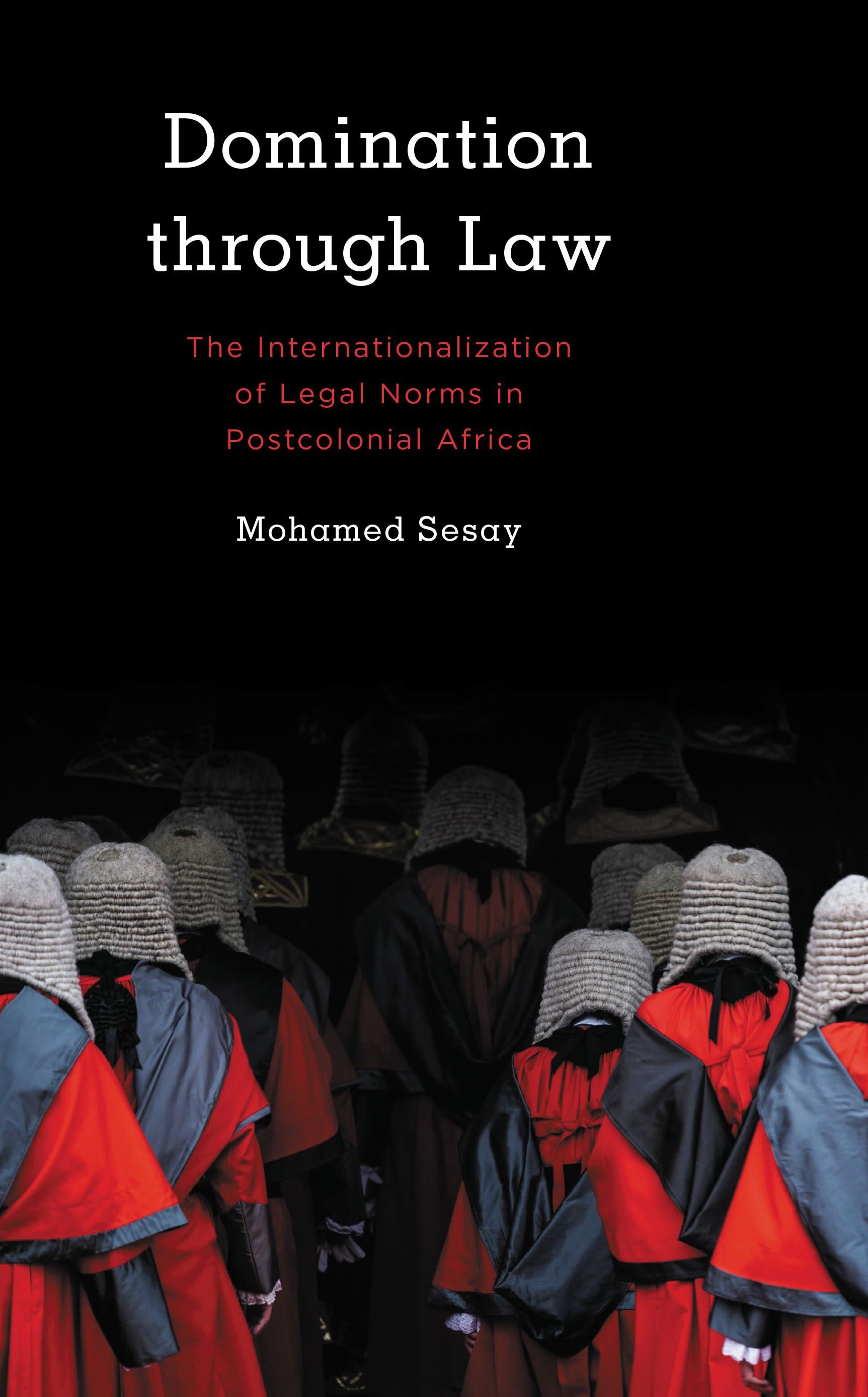
Winner of the 2021 Lee Ann Fujii Book Award, International Studies Association
The positive effects of rule of law norms and institutions are often assumed in the fields of global governance and international development, with empirical work focusing more on the challenges of using law to engineer social change abroad. Questioning this assumption, the book contends that purportedly “good” rule of law standards do not always deliver benign benefits but rather often have negative consequences that harm the very local constituents which rule of law promoters promise to help. In particular, the book argues that rule of law promotion in post-colonial societies reinforces socioeconomic and political inequality which disproportionately favors dominant actors who have the wealth, education, and influence to navigate the state legal system. In addition to an historical account of legal development in settler-colonial environments, this argument is also drawn from a comparative study which focuses on the UK-supported justice sector development programs in Sierra Leone and the US-funded rule of law projects in Liberia.
The positive effects of rule of law norms and institutions are often assumed in the fields of global governance and international development, with empirical work focusing more on the challenges of using law to engineer social change abroad. Questioning this assumption, the book contends that purportedly “good” rule of law standards do not always deliver benign benefits but rather often have negative consequences that harm the very local constituents which rule of law promoters promise to help. In particular, the book argues that rule of law promotion in post-colonial societies reinforces socioeconomic and political inequality which disproportionately favors dominant actors who have the wealth, education, and influence to navigate the state legal system. In addition to an historical account of legal development in settler-colonial environments, this argument is also drawn from a comparative study which focuses on the UK-supported justice sector development programs in Sierra Leone and the US-funded rule of law projects in Liberia.
Pay easily by card, Klarna, Apple Pay or Google Pay. Not happy? You always have a 14-day money-back guarantee. Read more in our terms. If you have any questions, email us at hello@memmo.org.
Memmo makes studying easier – wherever you are in the world. We bring your course books and smart study tools together in one place: summaries, quizzes, podcasts and flashcards. Plus Ted, your study buddy who answers anything you wonder. Over 50,000 students already study here – built to help you learn faster and stress less.