
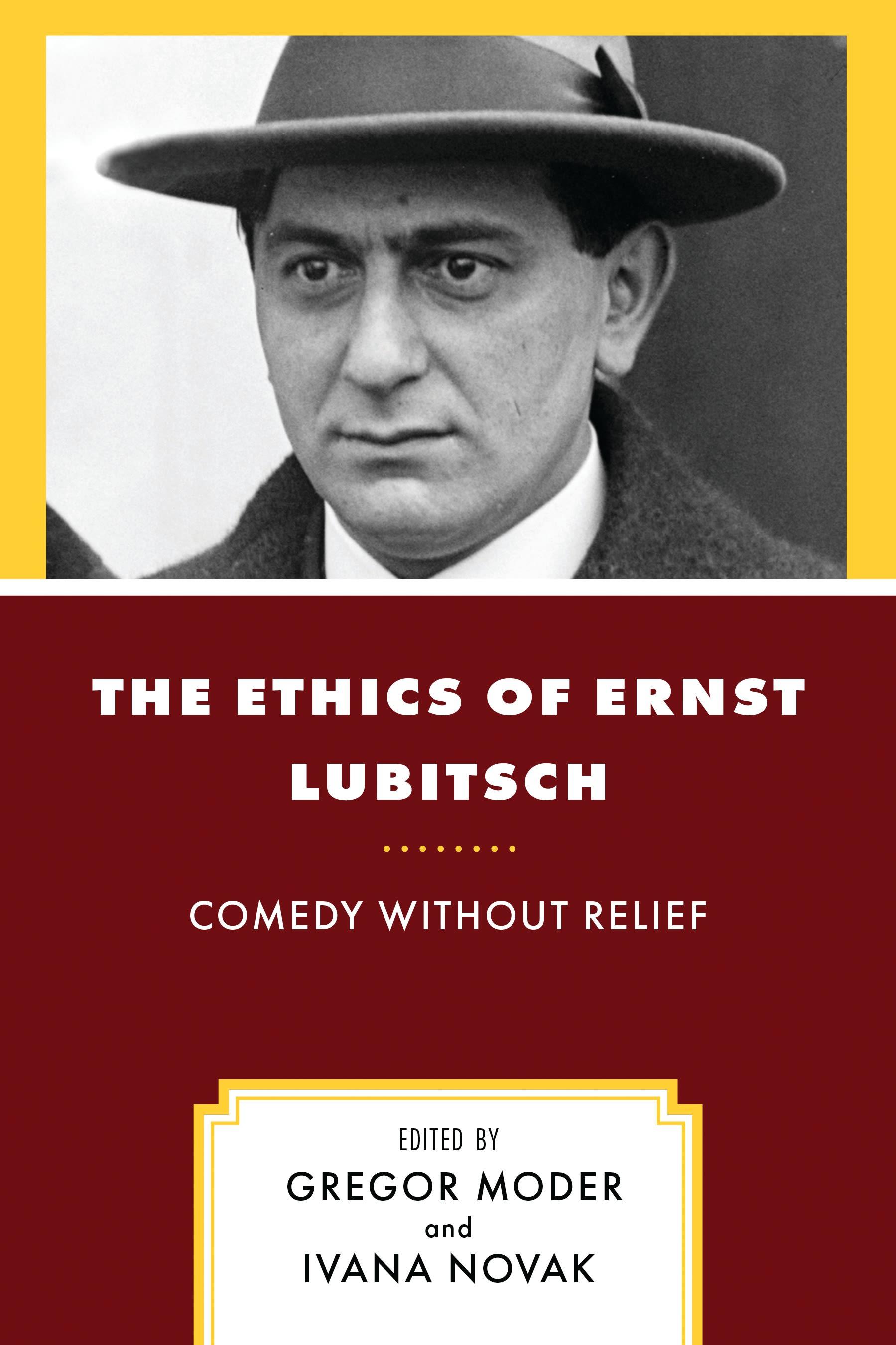
Against the idea that comedy offers us a relief from the horrors of the real world, the German-Jewish-American filmmaker Ernst Lubitsch defended his masterpiece To Be or Not to Be, a comedy from 1942 about the concurrent Nazi occupation of Poland, with the claim that he had made up his mind “to make a picture with no attempt to relieve anybody from anything at any time.” The essays included in The Ethics of Ernst Lubitsch consider Lubitsch’s work from his early Berlin years to his Hollywood fame, emphasizing the idea of ‘comedy without relief’ as the fundamental ethical premise of his special cinematic ‘touch.’ In this edited collection, contributors take a closer look at how Lubitsch addresses delicate and controversial topics like sexuality, love, and revolution, and set out a picture of an engaged ethics without moralism. The Ethics of Ernst Lubitsch is a vital contribution to film scholarship and a tribute to an essential filmmaker.
Pay easily by card, Klarna, Apple Pay or Google Pay. Not happy? You always have a 14-day money-back guarantee. Read more in our terms. If you have any questions, email us at hello@memmo.org.
Memmo makes studying easier – wherever you are in the world. We bring your course books and smart study tools together in one place: summaries, quizzes, podcasts and flashcards. Plus Ted, your study buddy who answers anything you wonder. Over 50,000 students already study here – built to help you learn faster and stress less.