
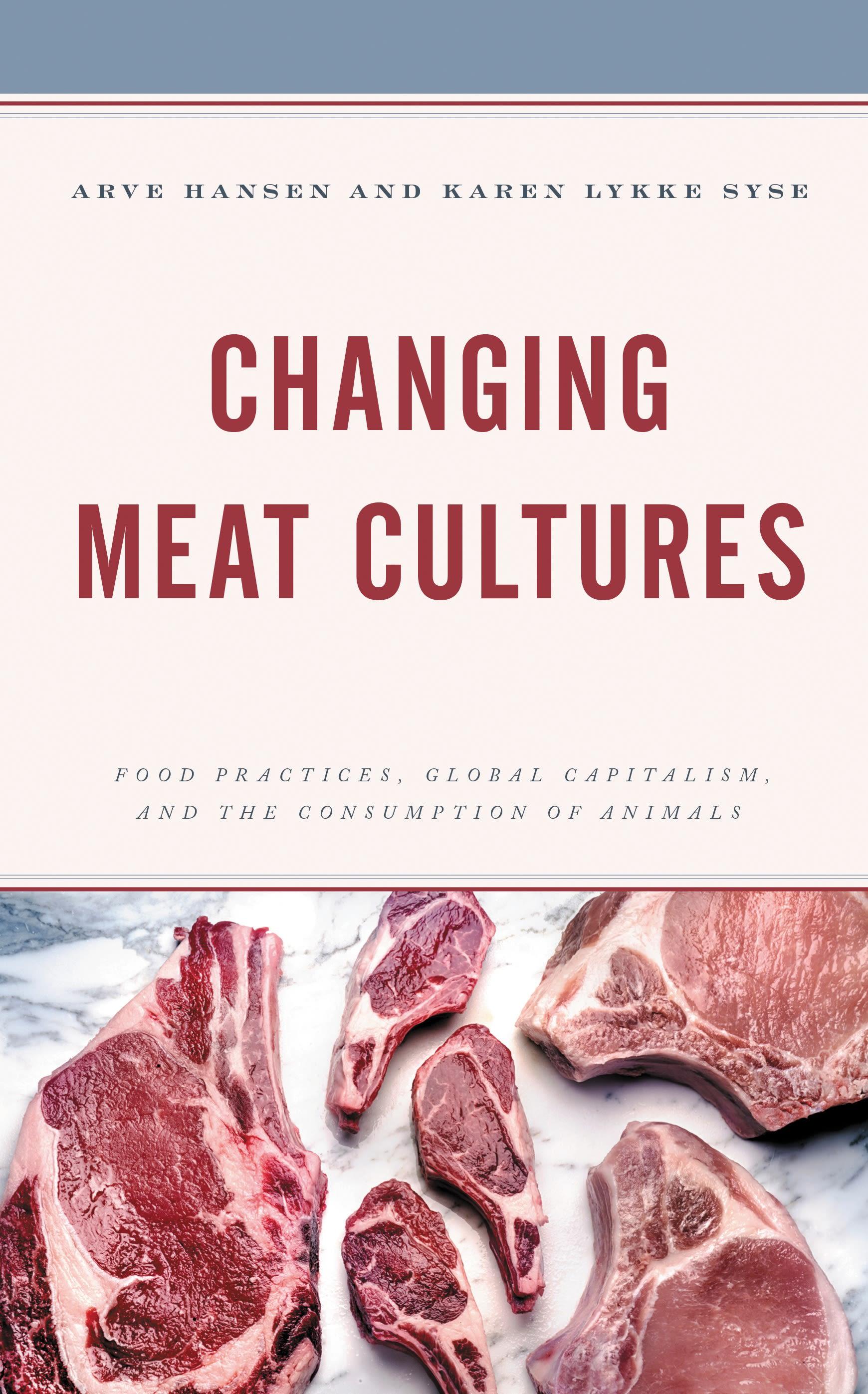
This collection explains changing meat cultures through studies of both everyday food practices and the political economy of industrialized animal husbandry. We do this through case studies from 'affluent' and 'developing' countries. These contributions will shed light on global food connections and show how global, industrialized food and fodder systems have changed the way we relate to animals, their meat, and what kind of animals’ meat we eat. In the past few years, controversies around meat have arisen around industrialization and globalization of meat production, often pivoting around health, environmental problems, and animal welfare issues. Although meat increasingly figures as a problem, most consumers’ knowledge of animal husbandry and meat is more absent than ever. How is meat produced today, and where? How do we consume meat, and how have our consumption habits changed? Why have these changes occurred, and what are the social and cultural consequences of these changes? This book takes the reader on a geographic, ethnographic and historical journey to rural and urban areas and arenas across the world, and tells a series of stories of the dramatic changes in meat consumption.
Pay easily by card, Klarna, Apple Pay or Google Pay. Not happy? You always have a 14-day money-back guarantee. Read more in our terms. If you have any questions, email us at hello@memmo.org.
Memmo makes studying easier – wherever you are in the world. We bring your course books and smart study tools together in one place: summaries, quizzes, podcasts and flashcards. Plus Ted, your study buddy who answers anything you wonder. Over 50,000 students already study here – built to help you learn faster and stress less.