
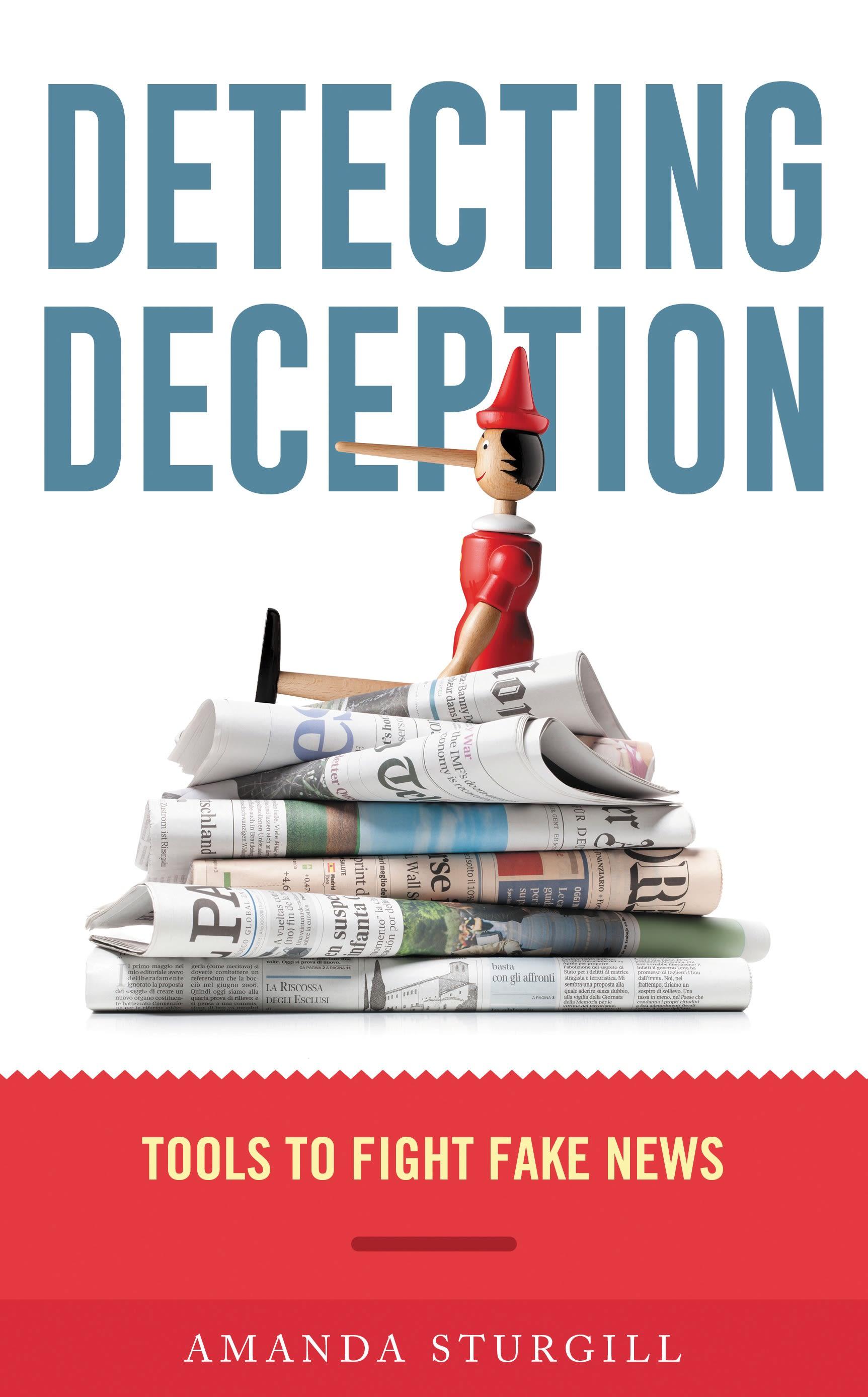
Teaching fact checking and verification is an essential part of journalism education. When a confusing media environment includes statements like “Truth is not truth” and “The president offered alternative facts,” students need to go beyond traditional reporting standards. They need to be trained to consider the presentation of reality in deciding if a statement is misleading or patently false. Detecting Deception applies the concepts of logical argumentation to supplement the verification techniques that are the stock and trade of any media professional.
Pithy and practical, Amanda Sturgill draws from present day news examples to help students recognize the most common bad arguments people make. Detecting Deception is an essential tool for training future journalists to build stories that recognize faulty arguments and hold their subjects to a higher standard.
Pithy and practical, Amanda Sturgill draws from present day news examples to help students recognize the most common bad arguments people make. Detecting Deception is an essential tool for training future journalists to build stories that recognize faulty arguments and hold their subjects to a higher standard.
Pay easily by card, Klarna, Apple Pay or Google Pay. Not happy? You always have a 14-day money-back guarantee. Read more in our terms. If you have any questions, email us at hello@memmo.org.
Memmo makes studying easier – wherever you are in the world. We bring your course books and smart study tools together in one place: summaries, quizzes, podcasts and flashcards. Plus Ted, your study buddy who answers anything you wonder. Over 50,000 students already study here – built to help you learn faster and stress less.