
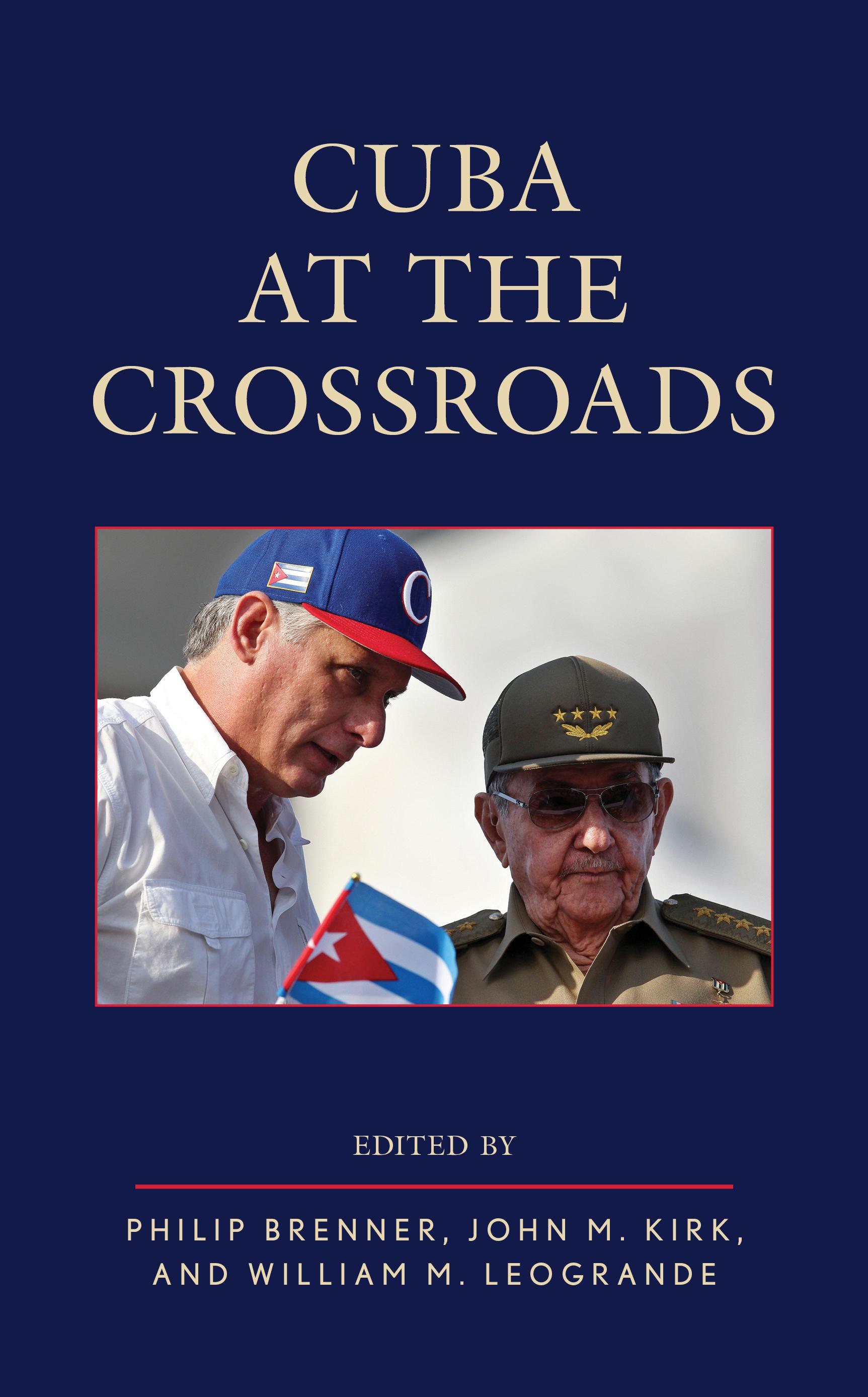
Cuba has undergone dramatic changes since the collapse of European communism. The loss of economic aid and preferential trade with the Soviet Union and other Eastern bloc countries forced the Cuban government to search out new ways of organizing the domestic economy and new commercial relations in an international system dominated by market economies. The resulting economic reforms have reverberated through Cuban society and politics, recreating social inequalities unknown since the 1950s and confronting the political system with unprecedented new challenges. The resulting ferment is increasingly evident in Cuban cultural expression, and the responses to adversity and scarcity have reshaped Cuban social relations. Cuba today faces new challenges with the transition to a new president, Miguel Díaz-Canel, and renewed hostility from the Trump administration. This timely book provides a balanced and deeply knowledgeable introduction to Cuba today. This concise overview focuses on Cuba since Raúl Castro stepped down as president, bringing together leading scholars to analyze politics, economics, foreign policy, and society in present-day Cuba. Ideally suited for students and all those seeking to understand this still contentious and controversial island, the book includes a substantive introduction setting the historical context, as well as a chronology and primary source documents.
Pay easily by card, Klarna, Apple Pay or Google Pay. Not happy? You always have a 14-day money-back guarantee. Read more in our terms. If you have any questions, email us at hello@memmo.org.
Memmo makes studying easier – wherever you are in the world. We bring your course books and smart study tools together in one place: summaries, quizzes, podcasts and flashcards. Plus Ted, your study buddy who answers anything you wonder. Over 50,000 students already study here – built to help you learn faster and stress less.