
Human rights organizations. Hackers. Soviet dissidents. Animal welfare activists. Corruption-reporting apps. The world of whistleblowing is much more diverse than most people realize. It includes the prototypical whistleblowers—government and corporate employees who spill their organizations’ secrets to publicize abuses, despite the personal costs. But if you look closely at what the concept entails, then it becomes clear that there are many more varieties. There is a wide world of whistleblowing out there, and we have only begun to understand and explain it.
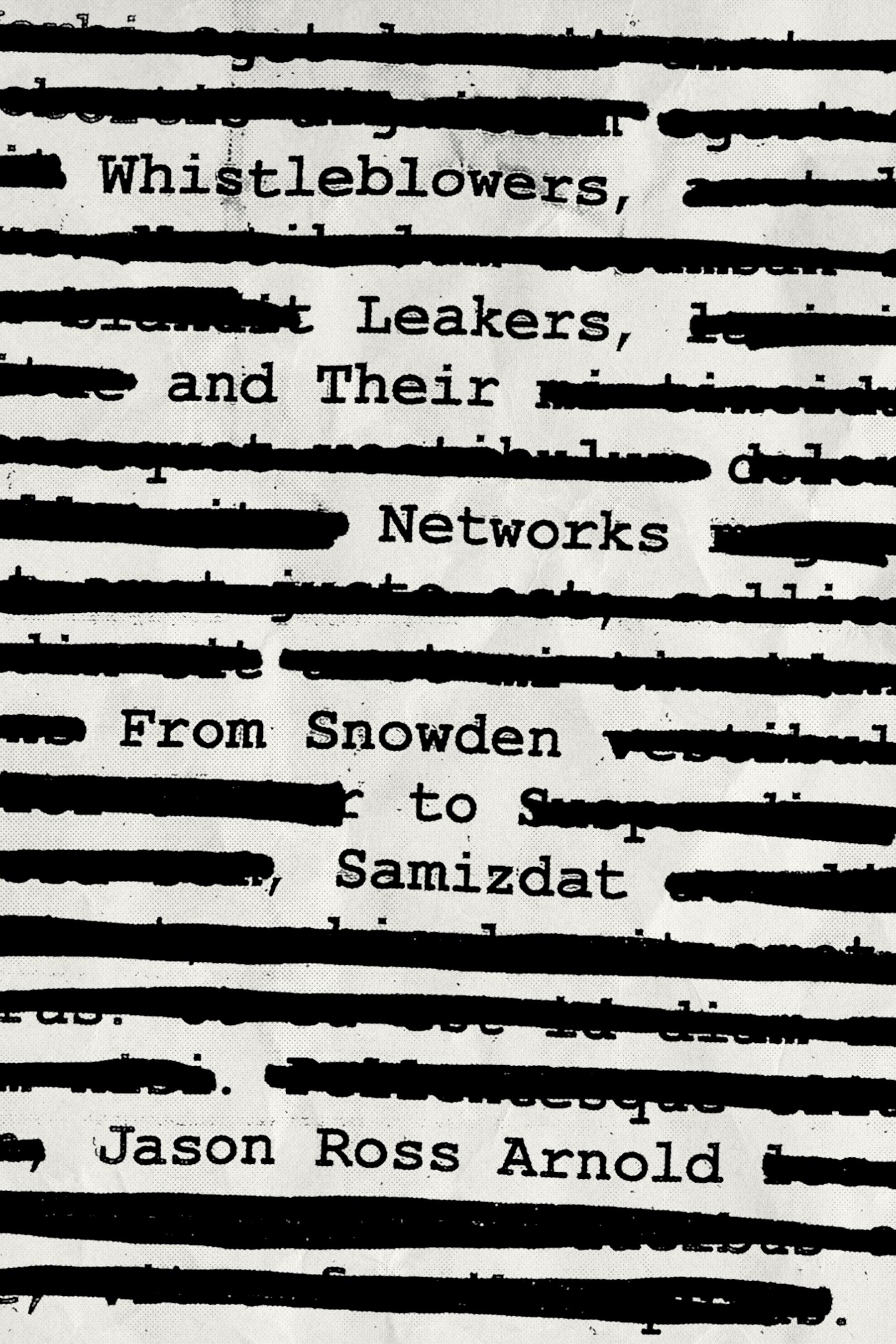
In Whistleblowers, Leakers, and Their Networks: From Snowden to Samizdat, Jason Ross Arnold clarifies the elusive concept of "whistleblowing." Most who have tried to define or understand it have a sense that whistleblowers are justified secret-spillers—people who make wise decisions about their unauthorized disclosures. But we still have no reliable framework for determining which secret-spillers deserve the positively charged term whistleblower, and which ones should get stuck with the less noble moniker “leaker.” A better understanding can inform our frustratingly endless political debates about important cases—the Snowdens, Mannings, Ellsbergs, Deep Throats, etc.—but it can also provide guidance to would-be whistleblowers about whether or not they and their collaborators should make unauthorized disclosures.
In Whistleblowers, Leakers, and Their Networks: From Snowden to Samizdat, Jason Ross Arnold clarifies the elusive concept of "whistleblowing." Most who have tried to define or understand it have a sense that whistleblowers are justified secret-spillers—people who make wise decisions about their unauthorized disclosures. But we still have no reliable framework for determining which secret-spillers deserve the positively charged term whistleblower, and which ones should get stuck with the less noble moniker “leaker.” A better understanding can inform our frustratingly endless political debates about important cases—the Snowdens, Mannings, Ellsbergs, Deep Throats, etc.—but it can also provide guidance to would-be whistleblowers about whether or not they and their collaborators should make unauthorized disclosures.
Pages: 218
Category: Statsvetenskap & Politik
e-ISBN: 9781538130575
Shipping weight: 1.2 kg
Ships in: 1-2 days
Pay easily by card, Klarna, Apple Pay or Google Pay. Not happy? You always have a 14-day money-back guarantee. Read more in our terms. If you have any questions, email us at hello@memmo.org.
Memmo makes studying easier – wherever you are in the world. We bring your course books and smart study tools together in one place: summaries, quizzes, podcasts and flashcards. Plus Ted, your study buddy who answers anything you wonder. Over 50,000 students already study here – built to help you learn faster and stress less.