
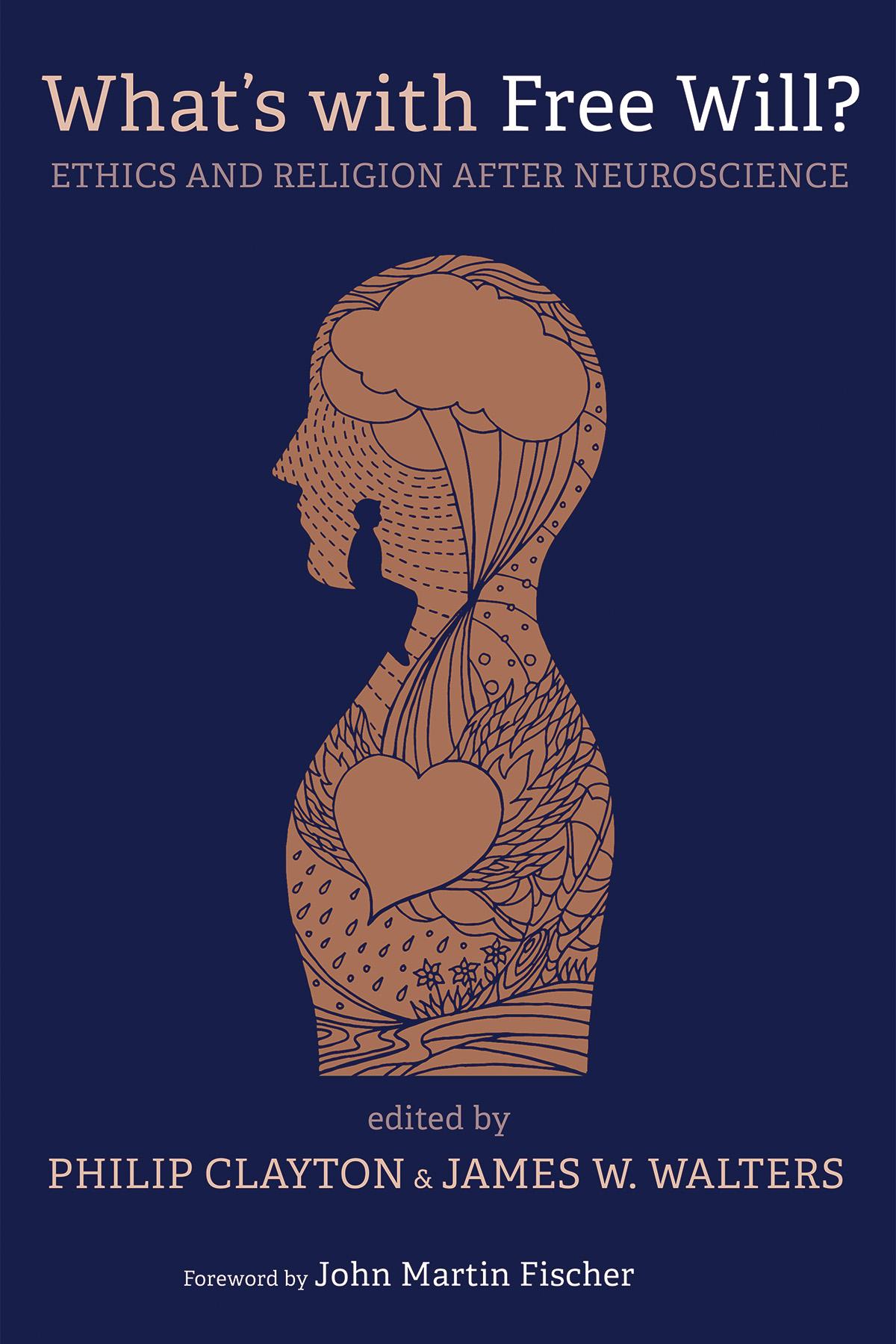
Are humans free, or are we determined by our genes and the world around us? The question of freedom is not only one of philosophy's greatest conundrums, but also one of the most fundamental questions of human existence. It's particularly pressing in societies like ours, where our core institutions of law, ethics, and religion are built around the belief in individual freedom. Can one still affirm human freedom in an age of science? And if free will doesn't exist, does it make sense to act as though it does?
These are the issues that are presented, probed, and debated in the following chapters. A dozen experts―specialists in medicine, psychology, ethics, theology, and philosophy--grapple with the multiple and often profound challenges presented by today's brain science. After examining the arguments against traditional notions of free will, several of the authors champion the idea of a chastened but robust free will for today, one that allows us still to affirm the value of first-person experience.
Pay easily by card, Klarna, Apple Pay or Google Pay. Not happy? You always have a 14-day money-back guarantee. Read more in our terms. If you have any questions, email us at hello@memmo.org.
Memmo makes studying easier – wherever you are in the world. We bring your course books and smart study tools together in one place: summaries, quizzes, podcasts and flashcards. Plus Ted, your study buddy who answers anything you wonder. Over 50,000 students already study here – built to help you learn faster and stress less.
You might also like
Buy the book0