
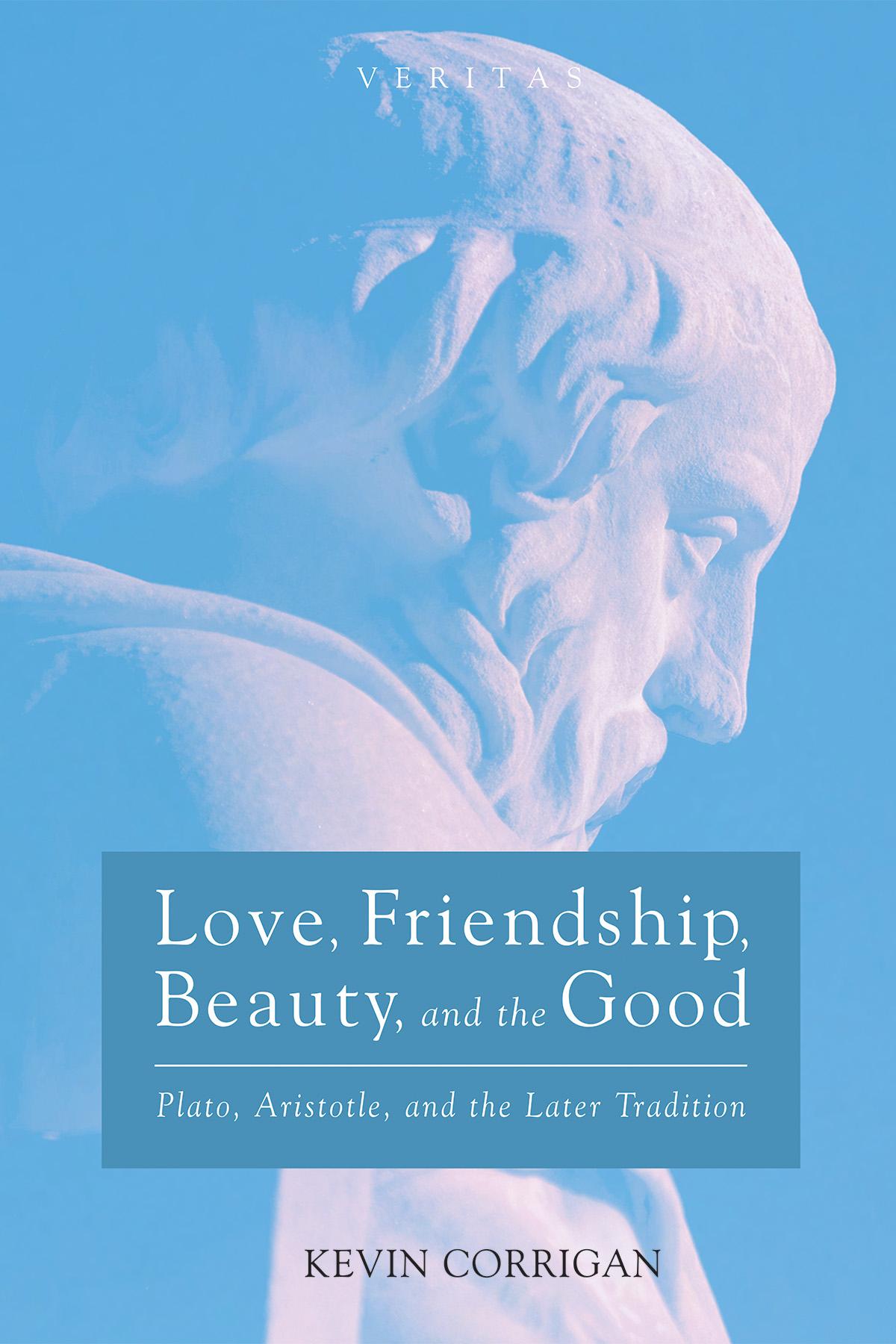
This book tells a compelling story about love, friendship, and the Divine that took over a thousand years to unfold. It argues that mind and feeling are intrinsically connected in the thought of Plato, Aristotle, and Plotinus; that Aristotle developed his theology and physics primarily from Plato's Symposium (from the "Greater" and "Lesser Mysteries" of Diotima-Socrates' speech); and that the Beautiful and the Good are not coincident classes, but irreducible Forms, and the loving ascent of the Symposium must be interpreted in the light of the Republic, as the later tradition up to Ficino saw. Against the view that Platonism is an escape from the ambiguities of ordinary experience or opposed to loving individuals for their own sakes, this book argues that Plato dramatizes the ambiguities of ordinary experience, confronts the possibility of failure, and bequeaths erotic models for the loving of individuals to later thought. Finally, it examines the Platonic-Aristotelian heritage on the Divine to discover whether God can love us back, and situates the dramatic development of this legacy in Plotinus, Iamblichus, Proclus, and Dionysius the Areopagite.
Pay easily by card, Klarna, Apple Pay or Google Pay. Not happy? You always have a 14-day money-back guarantee. Read more in our terms. If you have any questions, email us at hello@memmo.org.
Memmo makes studying easier – wherever you are in the world. We bring your course books and smart study tools together in one place: summaries, quizzes, podcasts and flashcards. Plus Ted, your study buddy who answers anything you wonder. Over 50,000 students already study here – built to help you learn faster and stress less.
You might also like
Buy the book0