
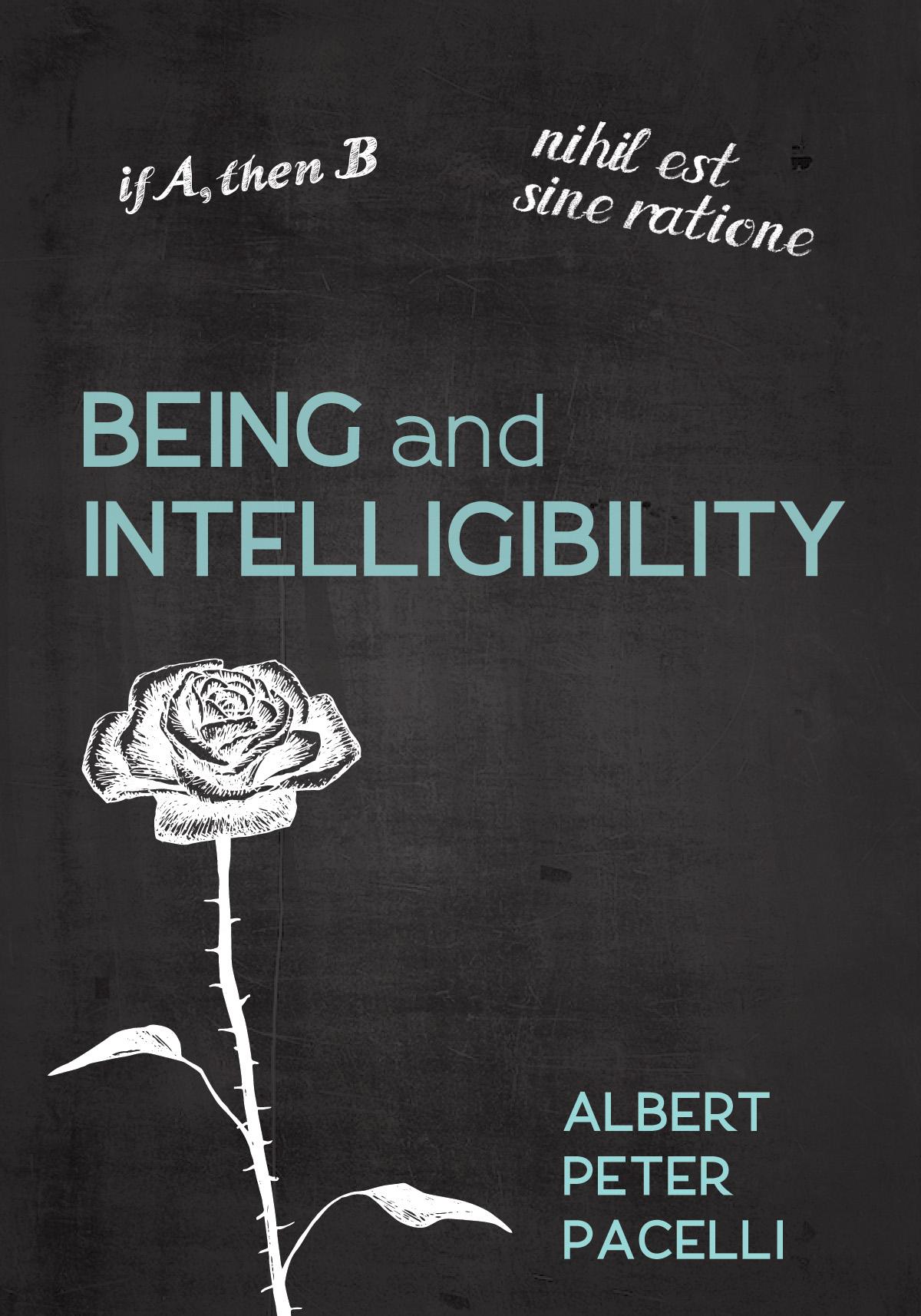
What do we mean when we say that something is? What is the meaning of human experience? These two most elementary philosophical questions have perplexed thinkers for thousands of years. Being and Intelligibility explores them from the simple premise that all entities are essentially logical in their being. The book develops its three central theses: that the beingness of beings, called "Being," and the intelligibility of Being are one and the same; that nothingness (i.e., absolute not-Being) is self-contradictory and unintelligible and, therefore, Being is logically necessary; and that the fullness of human rational experience cannot be explained in materially reducible terms and requires recognition of the existence of transcendent reality, which includes God (as self-grounding good will), moral obligation and freedom, and the souls of men. Being and Intelligibility thoroughly investigates the implications of the essential logicality of Being, including that human Being shows itself to itself from within itself as a substantive, persistent, morally obligated unity among the ordered manifold of its life experiences, whose essential Being is orientation toward God.
Pay easily by card, Klarna, Apple Pay or Google Pay. Not happy? You always have a 14-day money-back guarantee. Read more in our terms. If you have any questions, email us at hello@memmo.org.
Memmo makes studying easier – wherever you are in the world. We bring your course books and smart study tools together in one place: summaries, quizzes, podcasts and flashcards. Plus Ted, your study buddy who answers anything you wonder. Over 50,000 students already study here – built to help you learn faster and stress less.
You might also like
Buy the book0