
Embracing hospitality and inclusion in Abrahamic traditions
One of the signal moments in the narrative of the biblical Abraham is his insistent and enthusiastic reception of three strangers, a starting point of inspiration for all three Abrahamic traditions as they evolve and develop the details of their respective teachings. On the one hand, welcoming the stranger by remembering “that you were strangers in the land of Egypt” is enjoined upon the ancient Israelites, and on the other, oppressing the stranger is condemned by their prophets throughout the Hebrew Bible.
These sentiments are repeated in the New Testament and the Qur’an and elaborated in the interpretive literatures of Judaism, Christianity, and Islam. Such notions resonate obliquely within the history of India and its Dharmic traditions. On the other hand, they have been seriously challenged throughout history. In the 1830s, America’s “Nativists” sought to emphatically reduce immigration to these shores. A century later, the Holocaust began by the decision of the Nazi German government to turn specific groups of German citizens into strangers. Deliberate marginalization leading to genocide flourished in the next half century from Bosnia and Cambodia to Rwanda. In the aftermath of September 11, 2001, the United States renewed a decisive twist toward closing the door on those seeking refuge, ushering in an era where marginalized religious and ethnic groups around the globe are deemed unwelcome and unwanted.
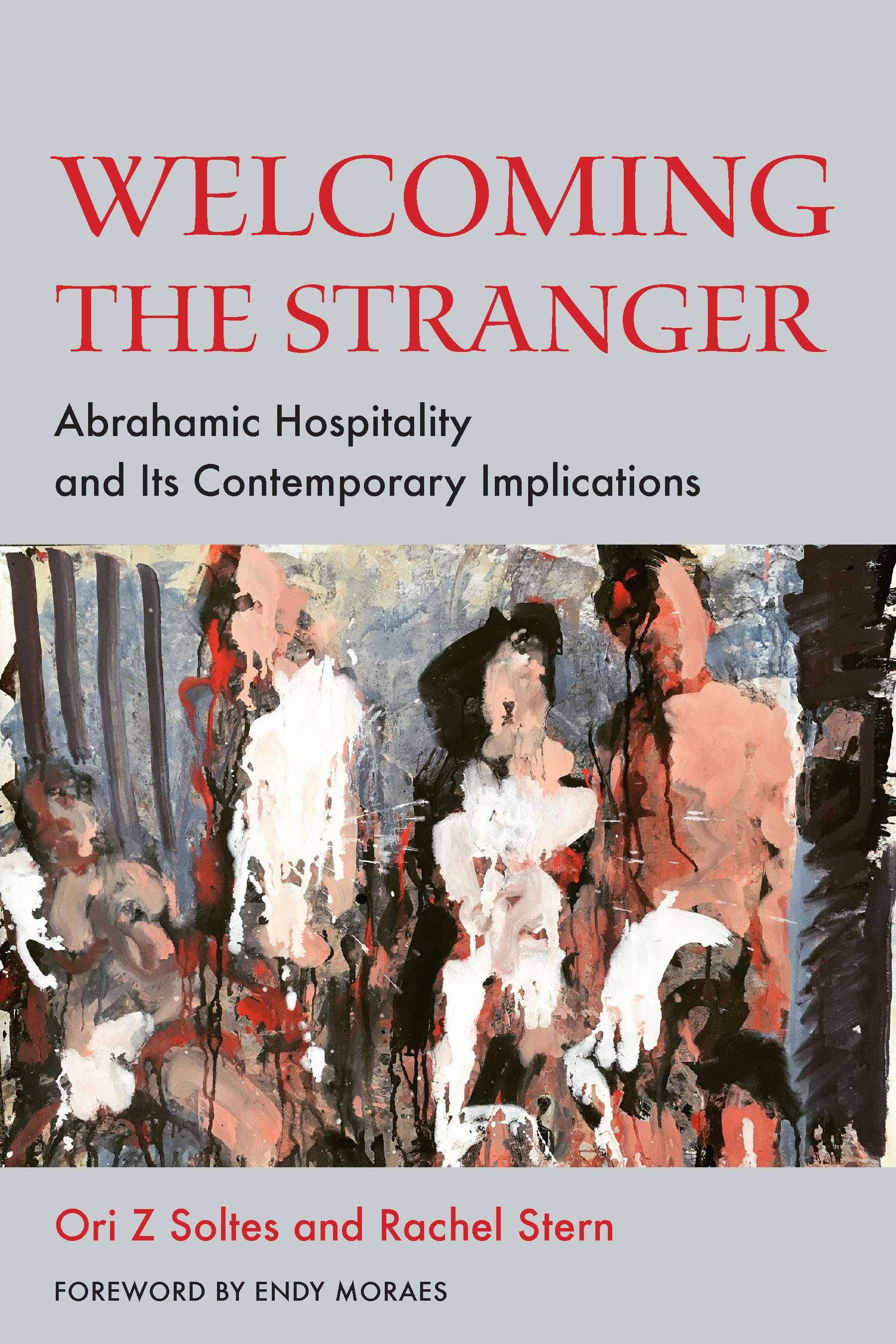
The essays in Welcoming the Stranger explore these issues from historical, theoretical, theological, and practical perspectives, offering an enlightening and compelling discussion of what the Abrahamic traditions teach us regarding welcoming people we don’t know.
Welcoming the Stranger: Abrahamic Hospitality and Its Contemporary Implications is available from the publisher on an open-access basis.
Published by The Fritz Ascher Society for Persecuted, Ostracized and Banned Art and the Fordham University Institute on Religion, Law and Lawyer’s Work
Pay easily by card, Klarna, Apple Pay or Google Pay. Not happy? You always have a 14-day money-back guarantee. Read more in our terms. If you have any questions, email us at hello@memmo.org.
Memmo makes studying easier – wherever you are in the world. We bring your course books and smart study tools together in one place: summaries, quizzes, podcasts and flashcards. Plus Ted, your study buddy who answers anything you wonder. Over 50,000 students already study here – built to help you learn faster and stress less.