
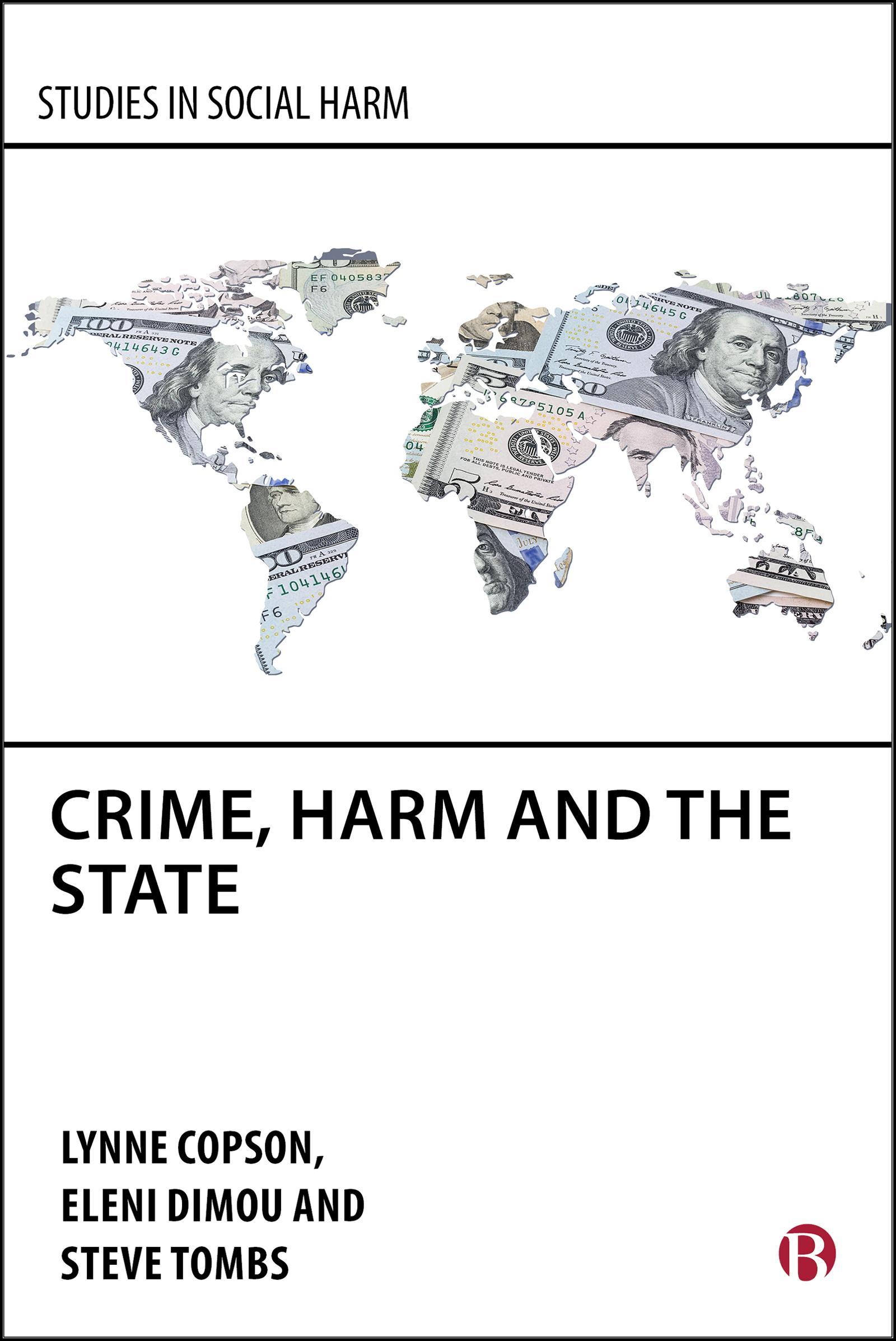
Why are some harms defined as crimes while others are not? This pioneering collection disrupts the boundaries of criminology, offering a bold, innovative exploration of crime, state power and social harm across historical and global contexts.
Bridging zemiology, governmentality studies, and decolonial theory, this book offers a fresh perspective on how the colonial roots and ongoing dynamics of global capitalism perpetuate harm, particularly in the Global South. Through compelling case studies on topics such as tourism, drugs, non-human animals, food, ecology, minoritized groups and migration, it reveals how colonial legacies and structural injustices shape who experiences harm, whose experiences are acknowledged - and how harm may be resisted.
Pay easily by card, Klarna, Apple Pay or Google Pay. Not happy? You always have a 14-day money-back guarantee. Read more in our terms. If you have any questions, email us at hello@memmo.org.
Memmo makes studying easier – wherever you are in the world. We bring your course books and smart study tools together in one place: summaries, quizzes, podcasts and flashcards. Plus Ted, your study buddy who answers anything you wonder. Over 50,000 students already study here – built to help you learn faster and stress less.