
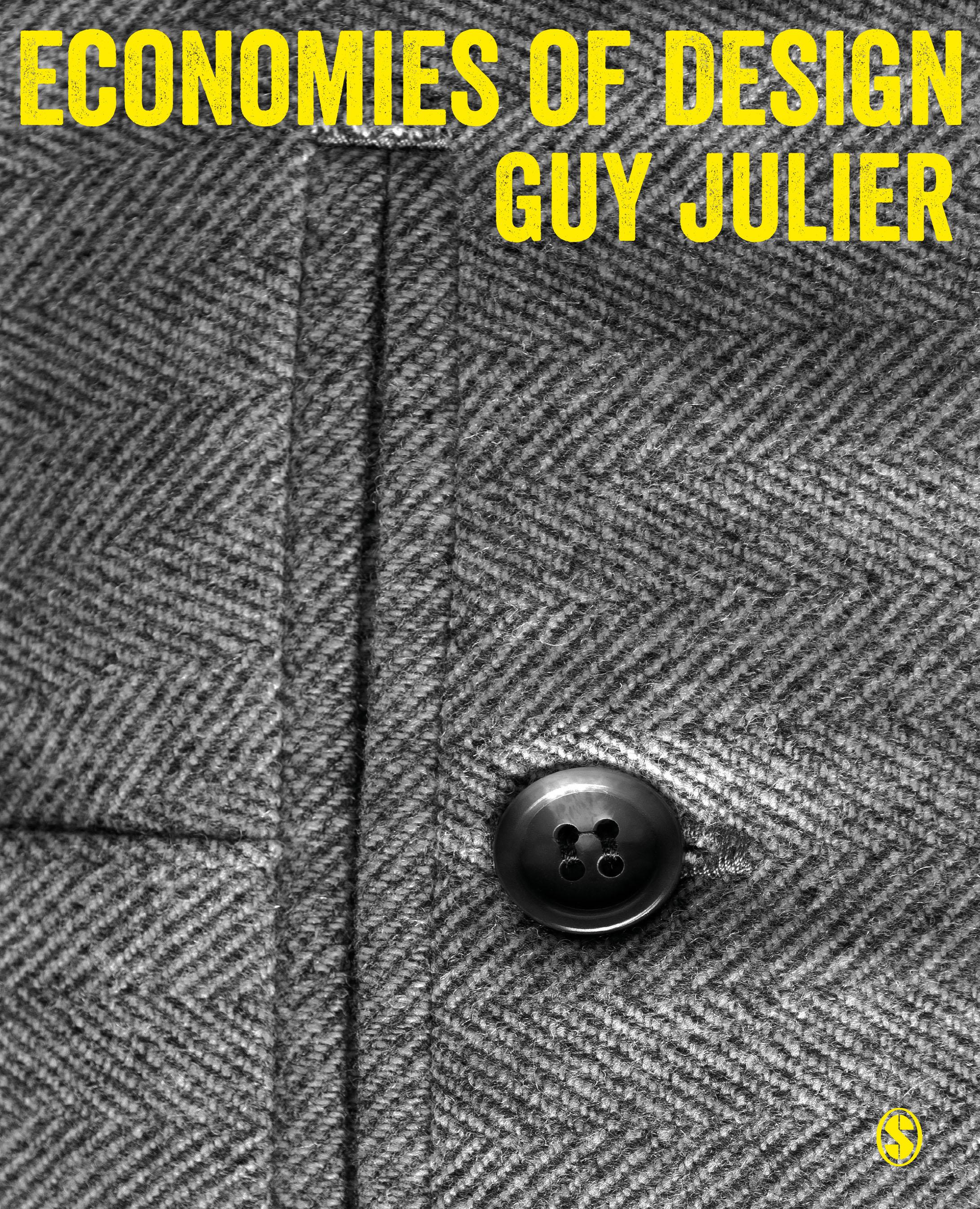
How are the rise of design and neoliberalism connected? How does design change the way we operate as economic beings? What is the economic significance of design?
Historically, design has been promoted for its for its capacity to add value to products and services. In contemporary capitalism, however, it assumes a more central and more complex role. Design today is both influenced by, and actively shapes, our economic systems.
This ground-breaking book shines a spotlight on how design has become embedded in political economies. It reveals the multiple ways in which design has emerged as a vital feature of neoliberal economic systems, from urban strategies to commercial processes to government policy-making. Drawing on a range of global examples, Guy Julier:
- explains the economic processes of design
- explores the relationship between design and intellectual property
- discusses the role of design in the public sector
- highlights the impact of design in informal and alternative economies
- brings theory to life with case studies on home improvements, fast fashion, shopping centres and more.
Economies of Design provides a thought-provoking new way of understanding and talking about the meanings of design in contemporary capitalism. It is an essential companion for students of design and the creative industries across the arts, humanities and social sciences.
Pay easily by card, Klarna, Apple Pay or Google Pay. Not happy? You always have a 14-day money-back guarantee. Read more in our terms. If you have any questions, email us at hello@memmo.org.
Memmo makes studying easier – wherever you are in the world. We bring your course books and smart study tools together in one place: summaries, quizzes, podcasts and flashcards. Plus Ted, your study buddy who answers anything you wonder. Over 50,000 students already study here – built to help you learn faster and stress less.