
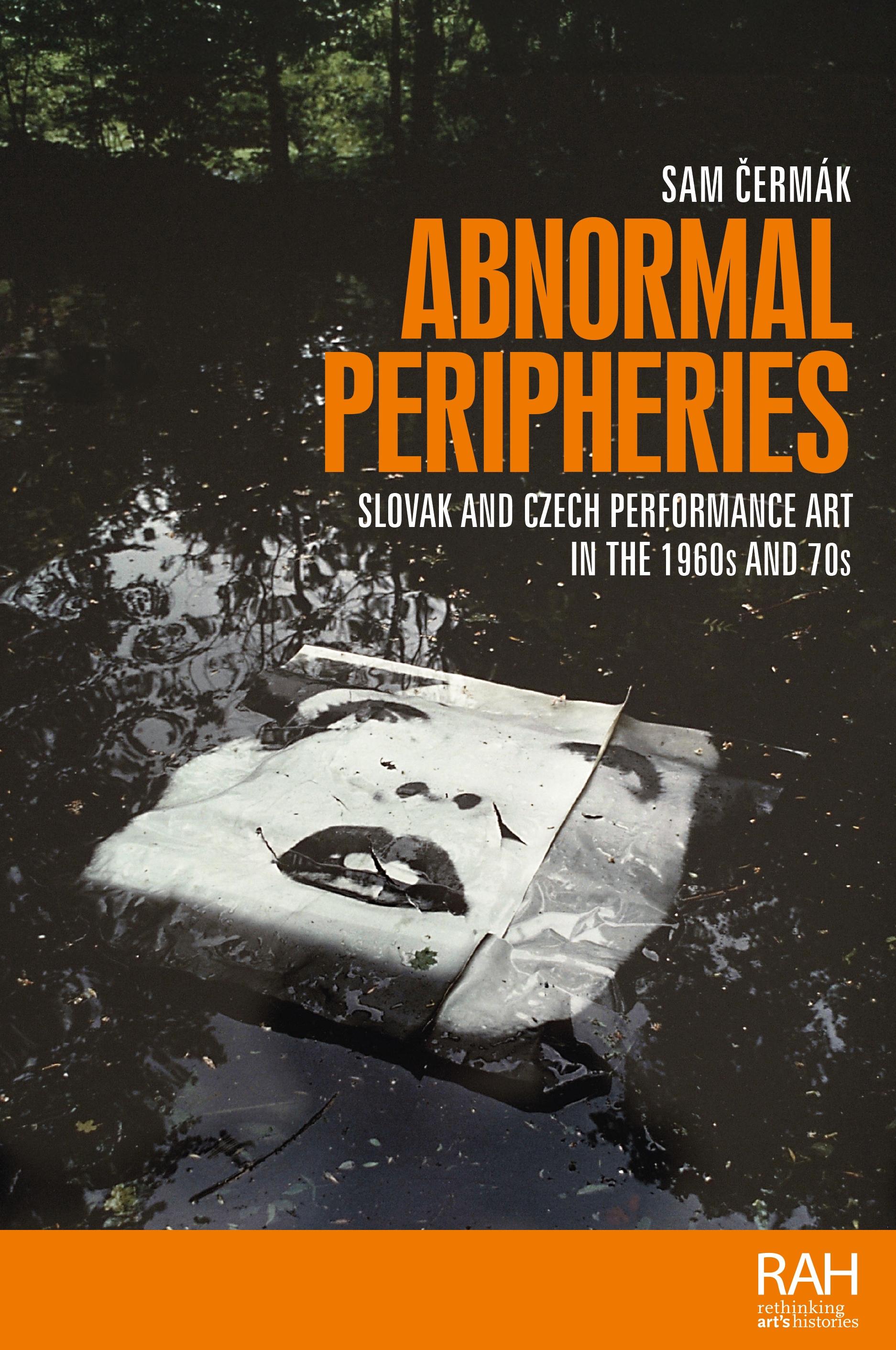
This book traces the early history of performance art in the former Czechoslovakia, which developed in the 1960s and 1970s amid the Prague Spring and the subsequent Normalization period marked by censorship, prosecution, and state pressure on artists. Drawing on Czech and Slovak scholarship, as well as archival research, interviews, and fieldwork, it challenges Anglophone misinterpretations of the region’s visual and cultural languages. Although the Soviet Bloc is often associated with repression and limited artistic experimentation, performers in Socialist Czechoslovakia used public, semi-public, and clandestine spaces to create influential works. By examining artists such as Aktual, Alex Mlynárcik, Petr Štembera, Jan Mlcoch,, Temporary Society of Intense Living, and the Crusaders School of Pure Humour with No Jokes, the book shows how performance persisted—and sometimes thrived—through local resistance, artistic networks, and alternative interpretations of socialism.
Pay easily by card, Klarna, Apple Pay or Google Pay. Not happy? You always have a 14-day money-back guarantee. Read more in our terms. If you have any questions, email us at hello@memmo.org.
Memmo makes studying easier – wherever you are in the world. We bring your course books and smart study tools together in one place: summaries, quizzes, podcasts and flashcards. Plus Ted, your study buddy who answers anything you wonder. Over 75,000 students already study here – built to help you learn faster and stress less.
You might also like
Buy the book0