
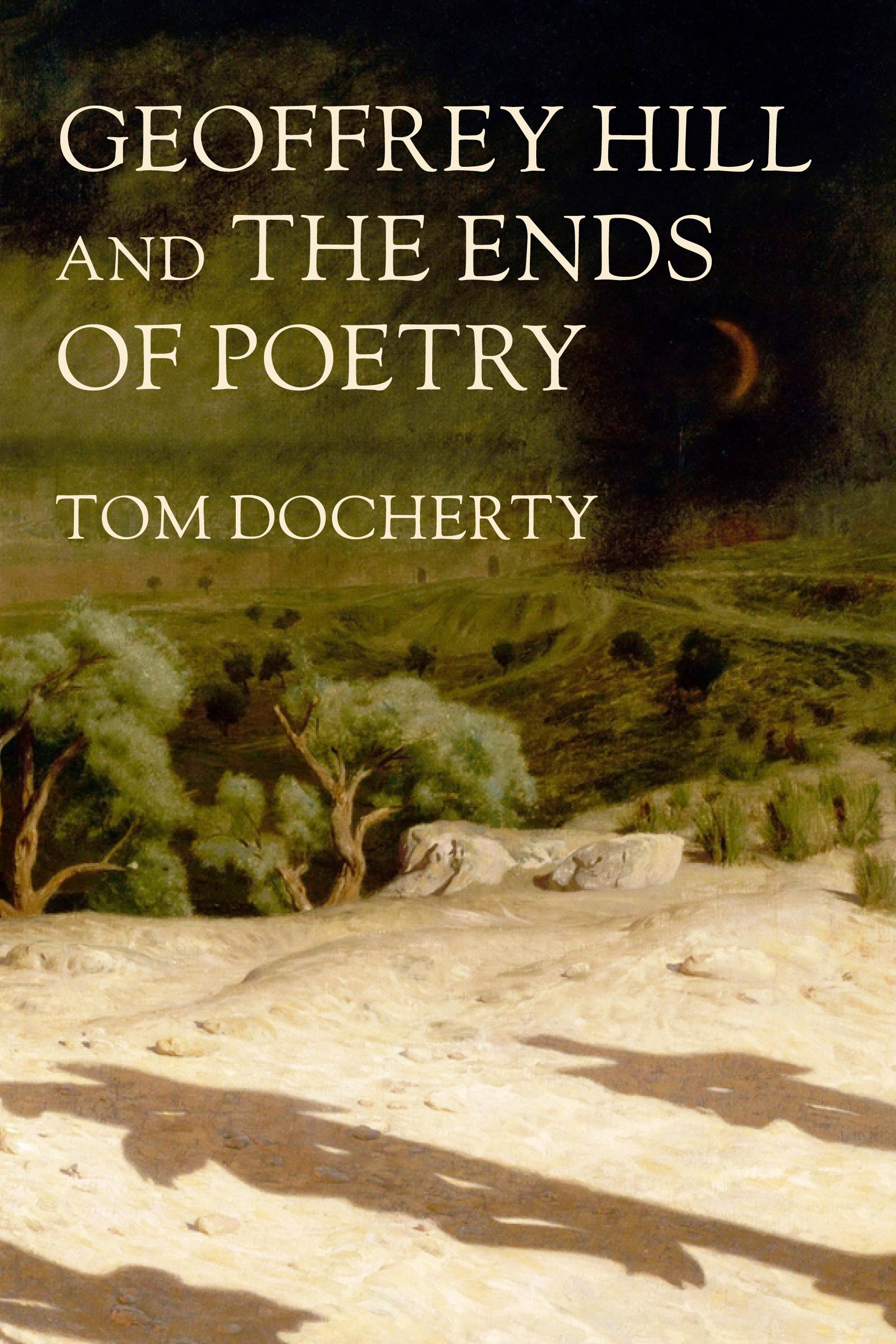
The idea of the end is an essential motivic force in the poetry of Geoffrey Hill (1932–2016). This book shows that Hill’s poems are characteristically ‘end-directed’. They tend towards consummations of all kinds: from the marriages of meanings in puns, or of words in repeating figures and rhymes, to syntactical and formal finalities. The recognition of failure to reach such ends provides its own impetus to Hill's poetry.
This is the first book on Hill to take account of his last works. It is a significant contribution to the study of Hill's poems, offering a new thematic reading of his entire body of work. By using Hill's work as an example, the book also touches on questions of poetry's ultimate value: what are its ends and where does it wish to end up?
Pay easily by card, Klarna, Apple Pay or Google Pay. Not happy? You always have a 14-day money-back guarantee. Read more in our terms. If you have any questions, email us at hello@memmo.org.
Memmo makes studying easier – wherever you are in the world. We bring your course books and smart study tools together in one place: summaries, quizzes, podcasts and flashcards. Plus Ted, your study buddy who answers anything you wonder. Over 50,000 students already study here – built to help you learn faster and stress less.