
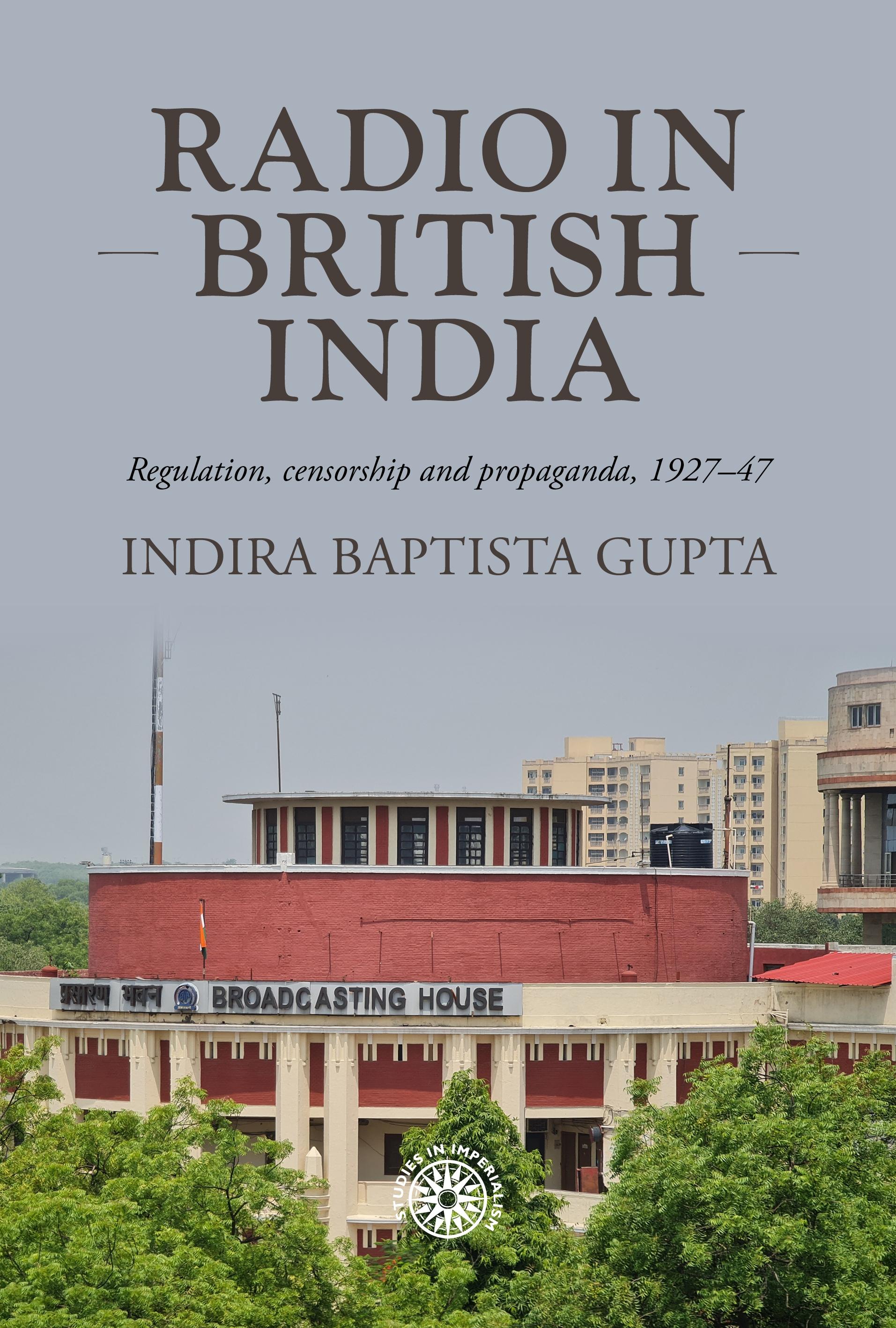
This book will argue that the British installed and controlled Indian radio, using it as a tool to prop up the colonial regime. Concessions made to Indian cultural styles, social aspirations or fluctuating needs of listeners had to fit foremostly into the colonial schema. Strikingly, the main edifice of Indian radio was modelled on the authoritarian Soviet pattern, both the semi-autonomous British and commercial American systems were rejected. The monograph is a thematic analysis of three activities relating to broadcasting in the last two decades of British rule. These relate to rules framed for regulating radio, implementing censorship and its use for publicity/propaganda. The progression of official policy relating to radio’s spoken word, especially news programmes, form the kernel of this enquiry. Contrastingly, other programmes, including music, comprising over 90 per cent of air time did not concern colonial officials and were allowed to develop on their own.
Along with political factors at play, the social, cultural, technological and commercial pressures of a medium evolving in colonial settings are probed. In the politically charged atmosphere of pre-Independent India, programmes were centralised at Delhi and political matter was prohibited. Thus, radio was kept aloof from the currents of Indian nationalism and the national movement, but was an important vehicle for colonialism and imperialism.
Pay easily by card, Klarna, Apple Pay or Google Pay. Not happy? You always have a 14-day money-back guarantee. Read more in our terms. If you have any questions, email us at hello@memmo.org.
Memmo makes studying easier – wherever you are in the world. We bring your course books and smart study tools together in one place: summaries, quizzes, podcasts and flashcards. Plus Ted, your study buddy who answers anything you wonder. Over 50,000 students already study here – built to help you learn faster and stress less.