
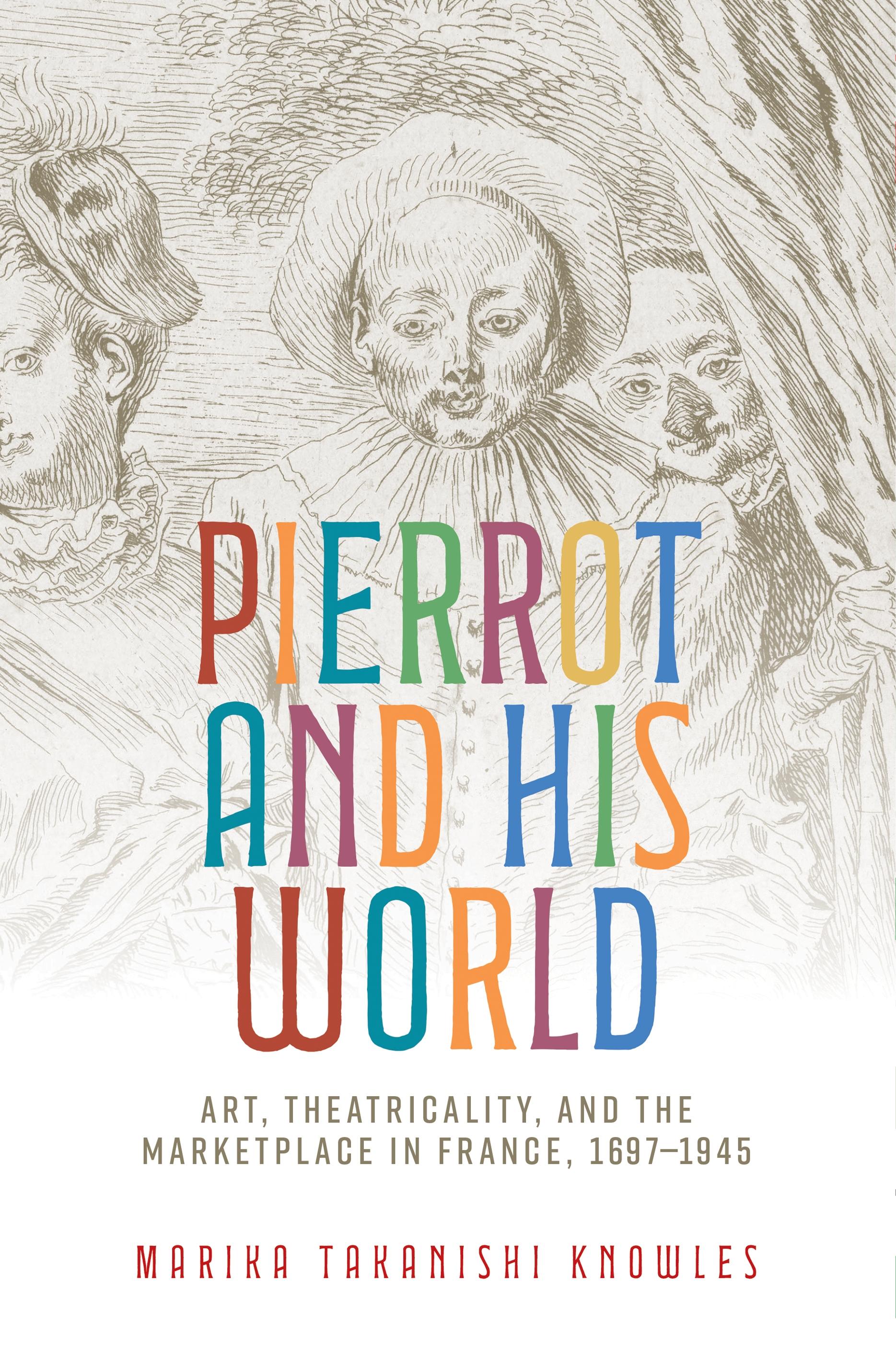
Pierrot, a theatrical stock character known by his distinctive costume of loose white tunic and trousers, is a ubiquitous figure in French art and culture. This richly illustrated book offers an account of Pierrot’s recurrence in painting, printmaking, photography and film, tracing this distinctive type from the art of Antoine Watteau to the cinema of Occupied France. As a visual type, Pierrot thrives at the intersection of theatrical and marketplace practices. From Watteau’s Pierrot (c. 1720) and Édouard Manet’s The Old Musician (1862) to Nadar and Adrien Tournachon’s Pierrot the Photographer (1855) and the landmark film Children of Paradise (1945), Pierrot has given artists a medium through which to explore the marketplace as a form for both social life and creative practice. Simultaneously a human figure and a theatrical mask, Pierrot elicits artistic reflection on the representation of personality in the marketplace.
Pay easily by card, Klarna, Apple Pay or Google Pay. Not happy? You always have a 14-day money-back guarantee. Read more in our terms. If you have any questions, email us at hello@memmo.org.
Memmo makes studying easier – wherever you are in the world. We bring your course books and smart study tools together in one place: summaries, quizzes, podcasts and flashcards. Plus Ted, your study buddy who answers anything you wonder. Over 50,000 students already study here – built to help you learn faster and stress less.
You might also like
Buy the book0