
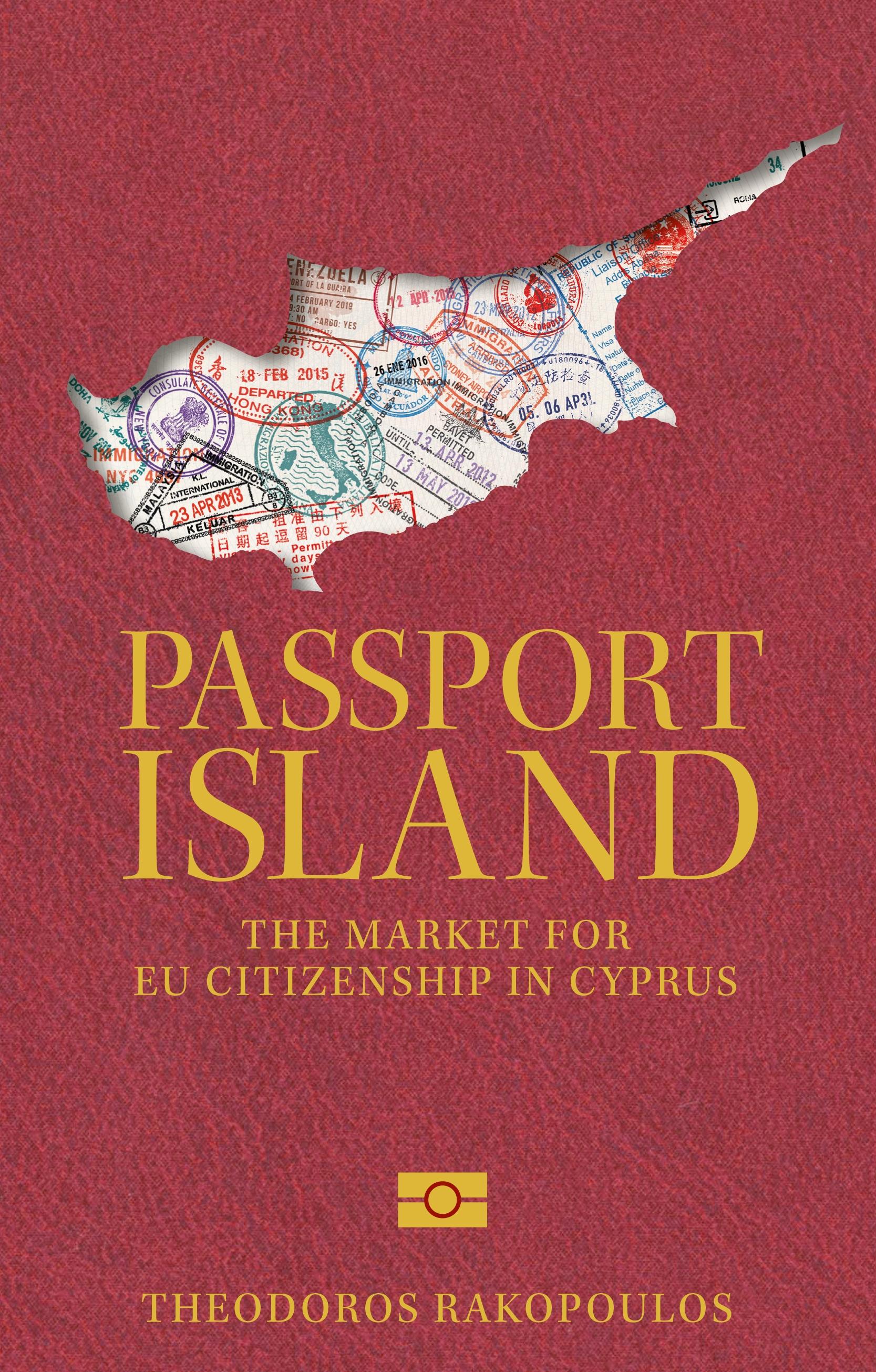
For the decade up to 2020, the Republic of Cyprus opened a route to naturalisation and citizenship by investment for non-nationals who wanted access to the EU – many of them wealthy Russians who had profited from the post-Soviet era. The magnitude of the phenomenon is staggering. Thousands of Russian, Chinese, and other investors became Cypriots by buying properties – and therefore passports – on the island. The ‘EU passport’ became the country’s major export, and the city of Limassol changed dramatically to accommodate the skyscrapers (‘passport towers’) built on the seafront.
This book shows how a national passport becomes a global commodity, and unpacks the complex implications on the ground and in the EU. It interrogates the golden passports’ right of money (jus pecuniae), which complicates existing citizenship structures associated with ancestry and territory. Examining the mobility of international elites, the ethnography contributes an original angle to migration studies, as golden passports suggest that citizenship has become a tool for the mobility of the rich. Through close engagement with the situation in Cyprus, Passport island shows how the global market for passports is tied up with economic crises, migration, property, inequality, and European politics. The book argues that the commodification of citizenship represents a new form of offshoring by other means.
Pay easily by card, Klarna, Apple Pay or Google Pay. Not happy? You always have a 14-day money-back guarantee. Read more in our terms. If you have any questions, email us at hello@memmo.org.
Memmo makes studying easier – wherever you are in the world. We bring your course books and smart study tools together in one place: summaries, quizzes, podcasts and flashcards. Plus Ted, your study buddy who answers anything you wonder. Over 50,000 students already study here – built to help you learn faster and stress less.