
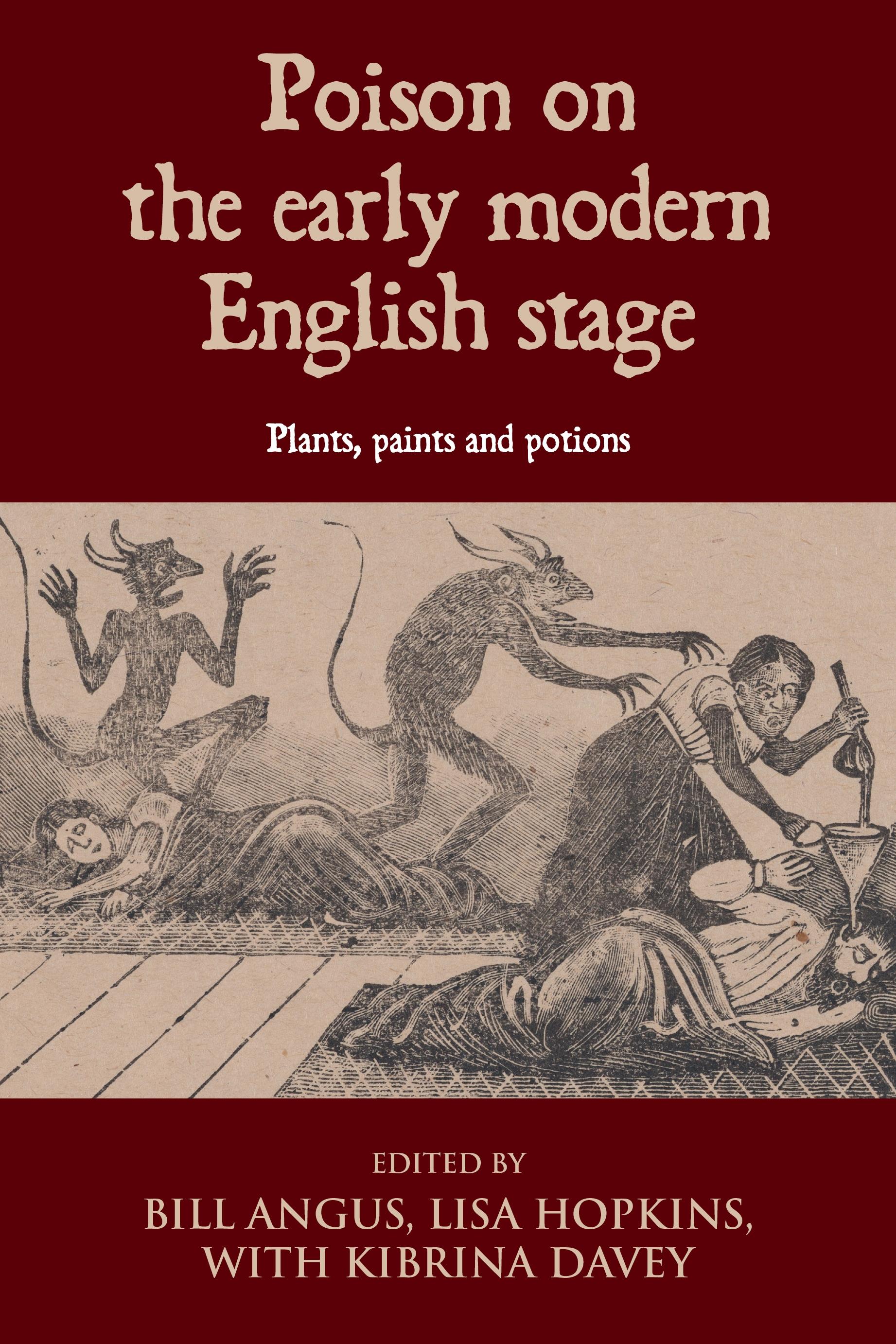
Many early modern plays use poison, most famously Hamlet, where the murder of Old Hamlet showcases the range of issues poison mobilises. Its orchard setting is one of a number of sinister uses of plants which comment on both the loss of horticultural knowledge resulting from the Dissolution of the Monasteries and also the many new arrivals in English gardens through travel, trade, and attempts at colonisation. The fact that Old Hamlet was asleep reflects unease about soporifics troubling the distinction between sleep and death; pouring poison into the ear smuggles in the contemporary fear of informers; and it is difficult to prove. This book explores poisoning in early modern plays, the legal and epistemological issues it raises, and the cultural work it performs, which includes questions related to race, religion, nationality, gender, and humans’ relationship to the environment.
Pay easily by card, Klarna, Apple Pay or Google Pay. Not happy? You always have a 14-day money-back guarantee. Read more in our terms. If you have any questions, email us at hello@memmo.org.
Memmo makes studying easier – wherever you are in the world. We bring your course books and smart study tools together in one place: summaries, quizzes, podcasts and flashcards. Plus Ted, your study buddy who answers anything you wonder. Over 75,000 students already study here – built to help you learn faster and stress less.
You might also like
Buy the book0