
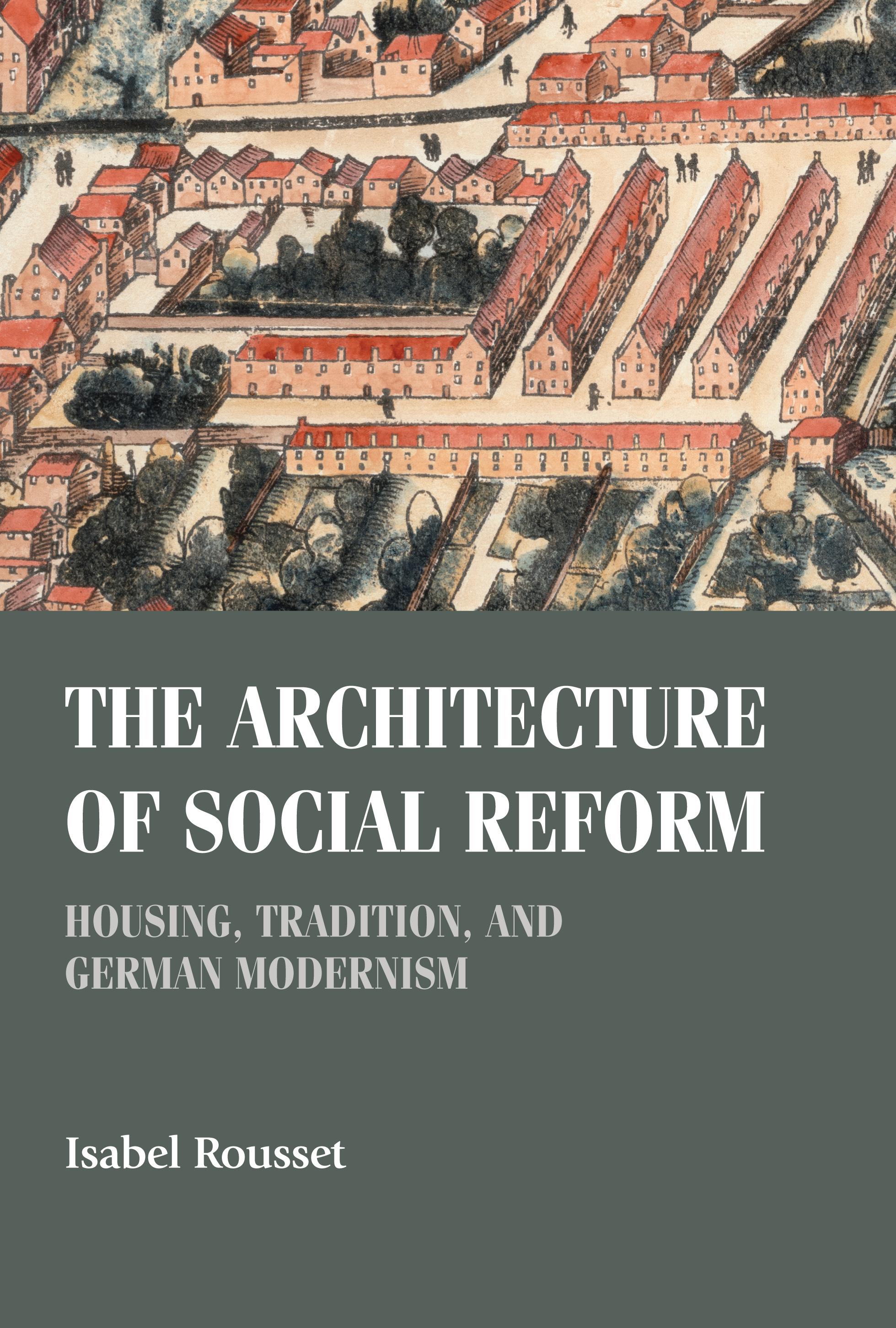
The architecture of social reform explores the fascinating intellectual origins of modern architecture’s obsession with domesticity. Copiously illustrated, Rousset’s revealing analysis demonstrates how questions over aesthetics, style, urbanization, and technology that gripped the modernist imagination were deeply ingrained in a larger concern to reform society through housing. The increasing demand for new housing in Germany’s rapidly growing cities fostered critical exchanges between a heterogeneous group of actors, including architects, urban theorists, planners, and social scientists, who called for society to be freed from class antagonism through the provision of good, modest, traditionally-minded domestic design. Offering a compelling account of architecture’s ability to act socially, the book provocatively argues that architectural theory underwent its most critical epistemological transformation in relation to the dynamics of modern class politics long before the arrival of the avant-garde.
Pay easily by card, Klarna, Apple Pay or Google Pay. Not happy? You always have a 14-day money-back guarantee. Read more in our terms. If you have any questions, email us at hello@memmo.org.
Memmo makes studying easier – wherever you are in the world. We bring your course books and smart study tools together in one place: summaries, quizzes, podcasts and flashcards. Plus Ted, your study buddy who answers anything you wonder. Over 75,000 students already study here – built to help you learn faster and stress less.
You might also like
Buy the book0