
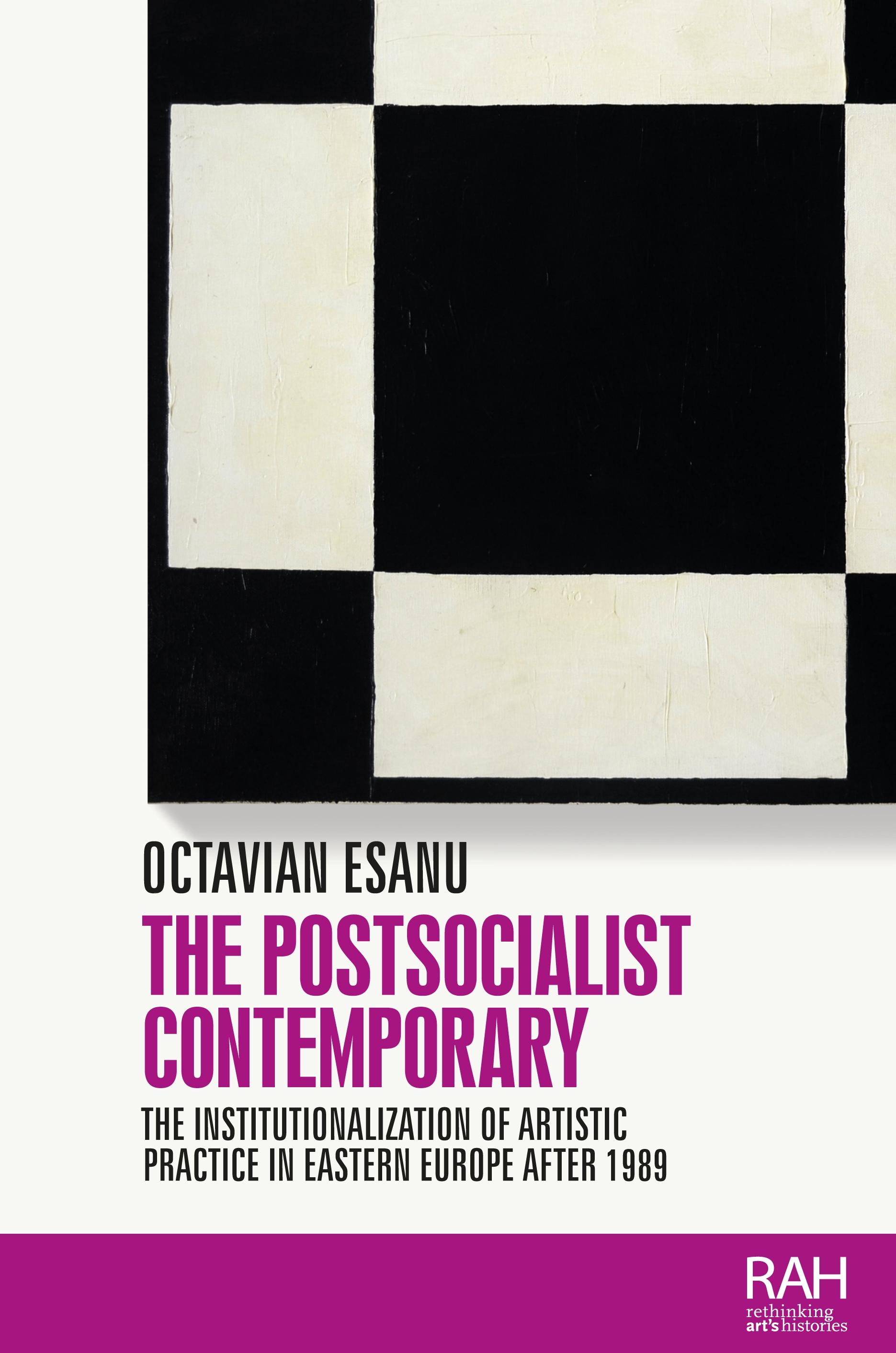
The postsocialist contemporary joins a growing body of scholarship debating the definition and nature of contemporary art. It comes to these debates from a historicist perspective, taking as its point of departure one particular art programme, initiated in Eastern Europe by the Hungarian-American billionaire George Soros. First implemented in Hungary, the Soros Center for Contemporary Art (SCCA) expanded to another eighteen ex-socialist countries throughout the 1990s. Its mission was to build a western ‘open society’ by means of art. This book discusses how network managers and artists participated in the construction of this new social order by studying the programme’s rise, evolution, impact and broader ideological and political consequences. Rather than recounting a history, its engages critically with ‘contemporary art’ as the aesthetic paradigm of late-capitalist market democracy.
Pay easily by card, Klarna, Apple Pay or Google Pay. Not happy? You always have a 14-day money-back guarantee. Read more in our terms. If you have any questions, email us at hello@memmo.org.
Memmo makes studying easier – wherever you are in the world. We bring your course books and smart study tools together in one place: summaries, quizzes, podcasts and flashcards. Plus Ted, your study buddy who answers anything you wonder. Over 50,000 students already study here – built to help you learn faster and stress less.
You might also like
Buy the book0