
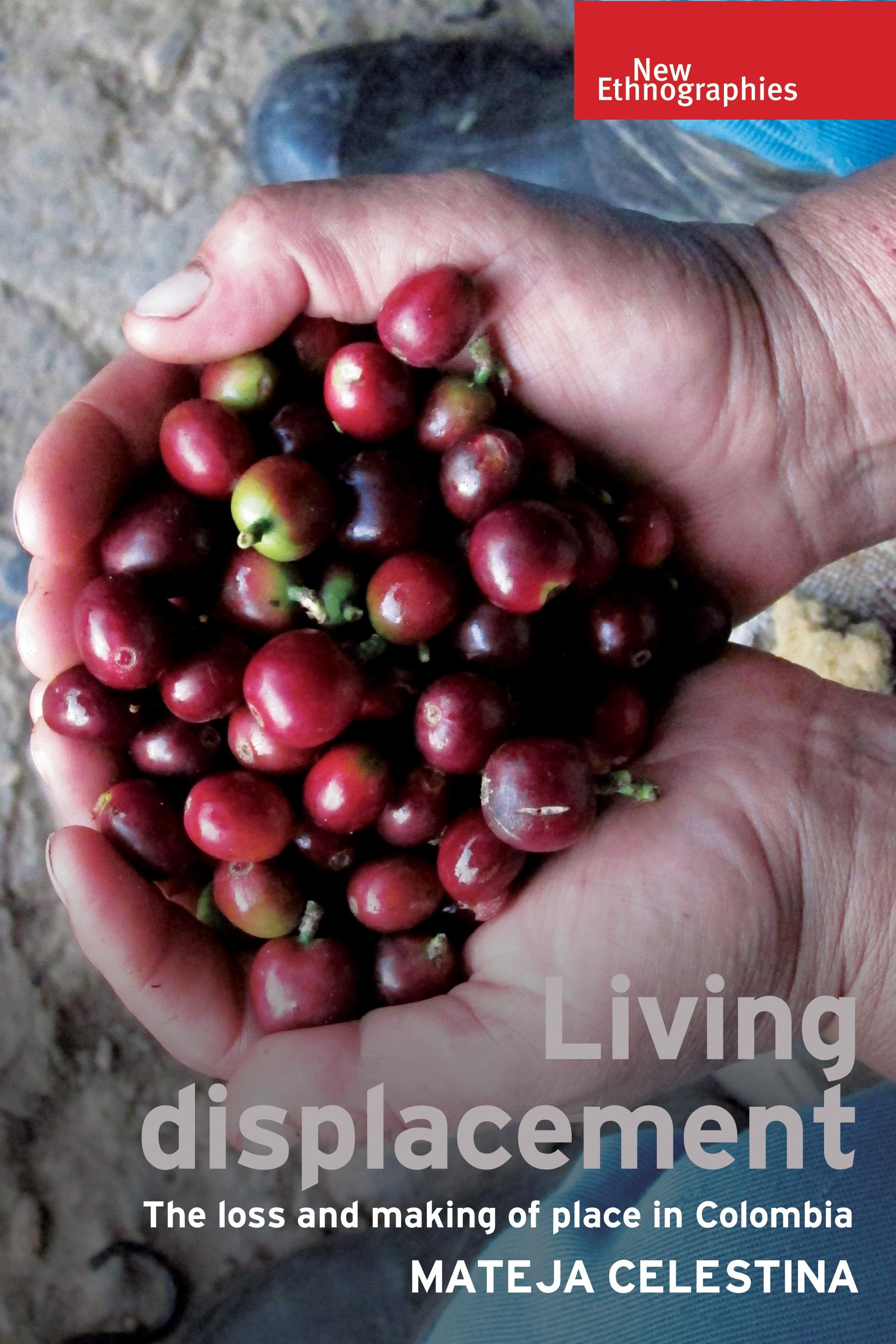
Focusing on two cases of resettlement in rural Cundinamarca, Colombia, this book examines how displaced campesinos make sense of their displacement and how displacement shapes their everyday lives. It is based on a ten-month fieldwork employing ethnographic methods working, living and sharing with the displaced and their host. The book calls for a longer time-frame analysis of the phenomenon of displacement, which considers people’s lives both pre- and post- physical relocation. It examines how violence and terror altered people’s sense of place and set off displacement process before they actually moved. It analyses the challenges the displaced are facing in their subsequent place-making endeavours, including the negotiation of social relations, consequences of categorization, engagement with the physical land, and memories of violence to challenge the notion that displacement starts with uprooting and terminates with resettlement or return.
Pay easily by card, Klarna, Apple Pay or Google Pay. Not happy? You always have a 14-day money-back guarantee. Read more in our terms. If you have any questions, email us at hello@memmo.org.
Memmo makes studying easier – wherever you are in the world. We bring your course books and smart study tools together in one place: summaries, quizzes, podcasts and flashcards. Plus Ted, your study buddy who answers anything you wonder. Over 50,000 students already study here – built to help you learn faster and stress less.
You might also like
Buy the book0