
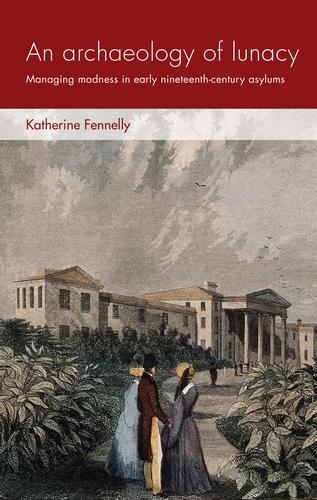
An archaeology of lunacy is a materially focused exploration of the first wave of public asylum building in Britain and Ireland, which took place during the late-Georgian and early Victorian period. Examining architecture and material culture, the book proposes that the familiar asylum archetype, usually attributed to the Victorians, was in fact developed much earlier. It looks at the planning and construction of the first public asylums and assesses the extent to which popular ideas about reformed management practices for the insane were applied at ground level. Crucially, it moves beyond doctors and reformers, repopulating the asylum with the myriad characters that made up its everyday existence: keepers, clerks and patients. Contributing to archaeological scholarship on institutions of confinement, the book is aimed at academics, students and general readers interested in the material environment of the historic lunatic asylum.
Pay easily by card, Klarna, Apple Pay or Google Pay. Not happy? You always have a 14-day money-back guarantee. Read more in our terms. If you have any questions, email us at hello@memmo.org.
Memmo makes studying easier – wherever you are in the world. We bring your course books and smart study tools together in one place: summaries, quizzes, podcasts and flashcards. Plus Ted, your study buddy who answers anything you wonder. Over 75,000 students already study here – built to help you learn faster and stress less.
You might also like
Buy the book0