
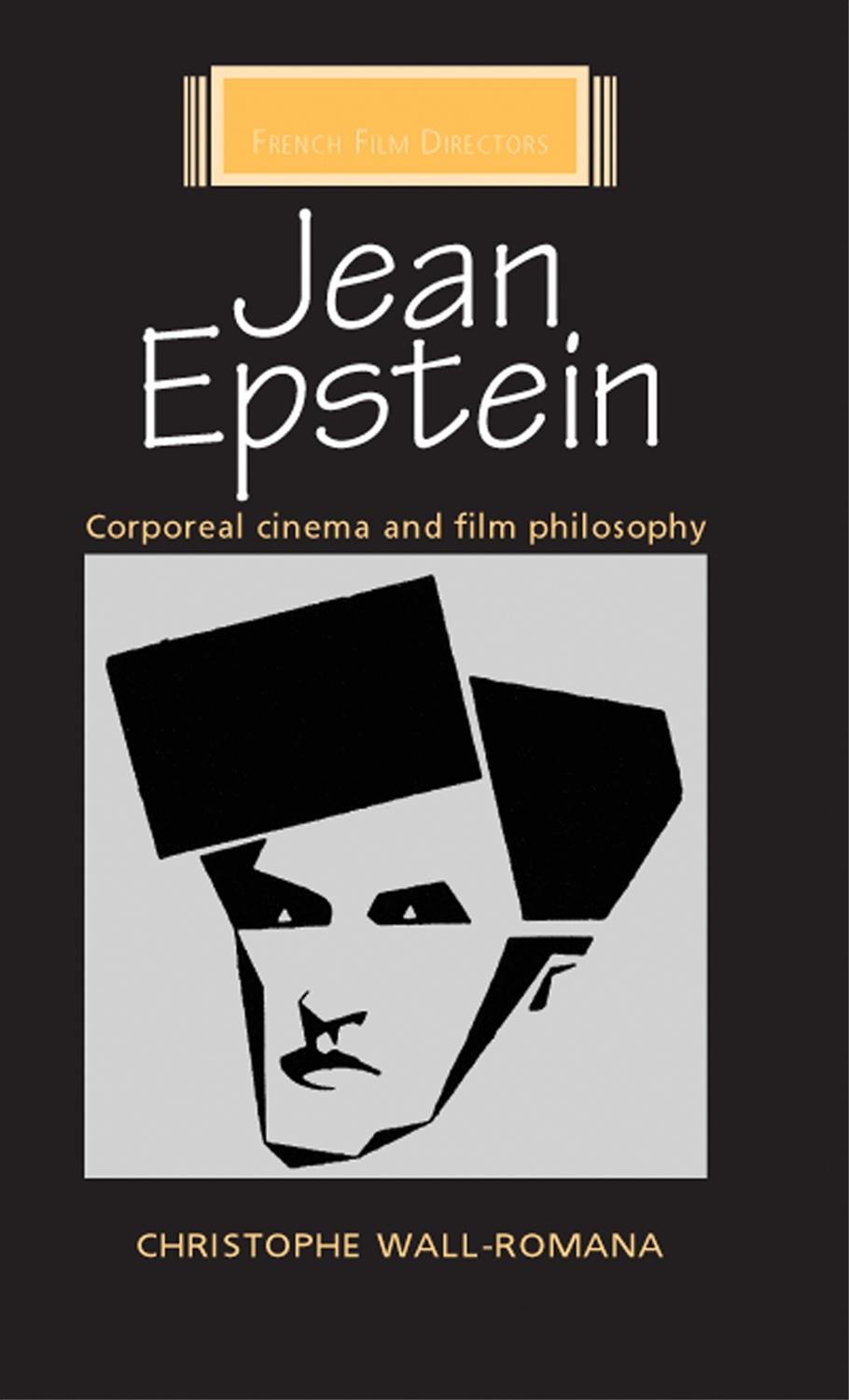
If cinema can be approached as poetry and philosophy, it is because of Jean Epstein. Cocteau, Buñuel (who was his assistant), Hitchcock, Pasolini and Godard, and theoreticians Kracauer, Deleuze and Rancière are directly influenced by Epstein’s pioneering film work, writings, and concepts. This book is the first in English to examine his oeuvre comprehensively.
An avant-garde artist and an anti-elitist intellectual, Epstein wanted to craft moments of pure transformative cinema. Using familiar genres – melodramas and documentaries – he hoped to heal viewers of all classes and hasten social utopia. A lover of cinema as cognitive and sensorial technology, and a poet of the screen, he pushed cinematography – as photogénie – towards the experimental sublime, through daring close-ups, rhythmic montage, slow motion, even reverse motion.
Polish-born, half-Jewish, and the author of a treatise on homosexuality, Epstein has been unfairly relegated to the shadows of film history. This book restores him to the limelight of interwar world cinema, on a par with Renoir, Lang, Capra and Eisenstein.
Pay easily by card, Klarna, Apple Pay or Google Pay. Not happy? You always have a 14-day money-back guarantee. Read more in our terms. If you have any questions, email us at hello@memmo.org.
Memmo makes studying easier – wherever you are in the world. We bring your course books and smart study tools together in one place: summaries, quizzes, podcasts and flashcards. Plus Ted, your study buddy who answers anything you wonder. Over 50,000 students already study here – built to help you learn faster and stress less.