
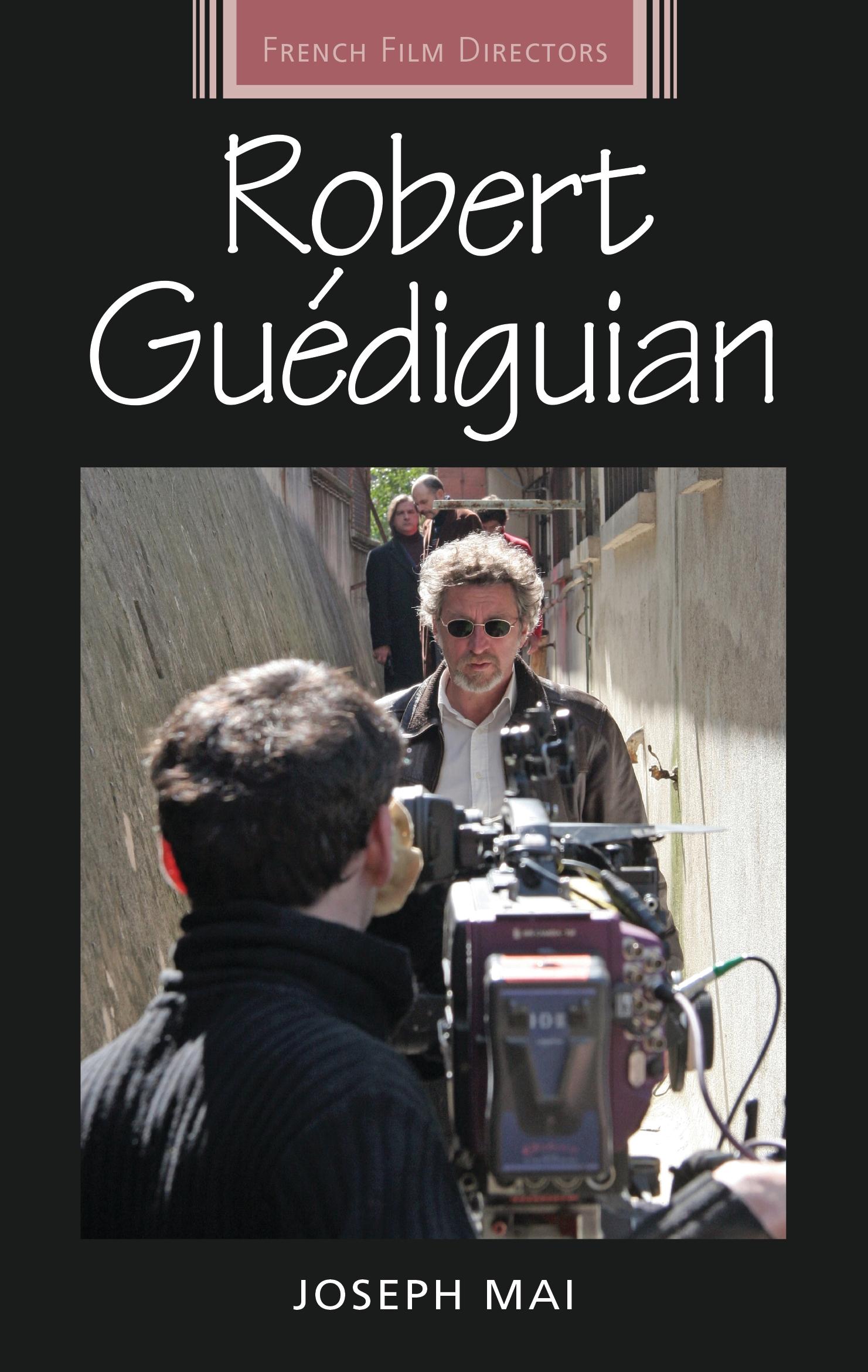
On one level, this book provides a concise and comprehensive account of Robert Guédiguian's numerous films, combining meticulous stylistic analyses with historical, political, and generic context. But more deeply, it makes the case that Guédiguian's work represents one of the most discretely original and radical projects of contemporary French cinema. When Marius et Jeannette (1997) made Guédiguian a household name in France, most viewers were unaware that the film's freshness was the product of a project that Guédiguian had started in 1981 and that continues today: to make politically committed films with friends, predominately in a local space, over a long period of time.
Starting with an in-depth consideration of the philosophy of friendship and its relation to politics, relation, time, and space, this book traces this unique collaboration. It starts in the Estaque neighborhood of Marseille and unfolds through the political transformations of the 1980s, the local activism of the 1990s, and spreads through Guédiguian's diverse experimentation with genres and registers. It emphasises Guédiguian's political assessments and his frequent meditations on history, violence, and utopia. But it returns consistently to the underlying themes of friendship, and thus intervenes at the crossroads of affect, politics, philosophy, and art.
Pay easily by card, Klarna, Apple Pay or Google Pay. Not happy? You always have a 14-day money-back guarantee. Read more in our terms. If you have any questions, email us at hello@memmo.org.
Memmo makes studying easier – wherever you are in the world. We bring your course books and smart study tools together in one place: summaries, quizzes, podcasts and flashcards. Plus Ted, your study buddy who answers anything you wonder. Over 50,000 students already study here – built to help you learn faster and stress less.