
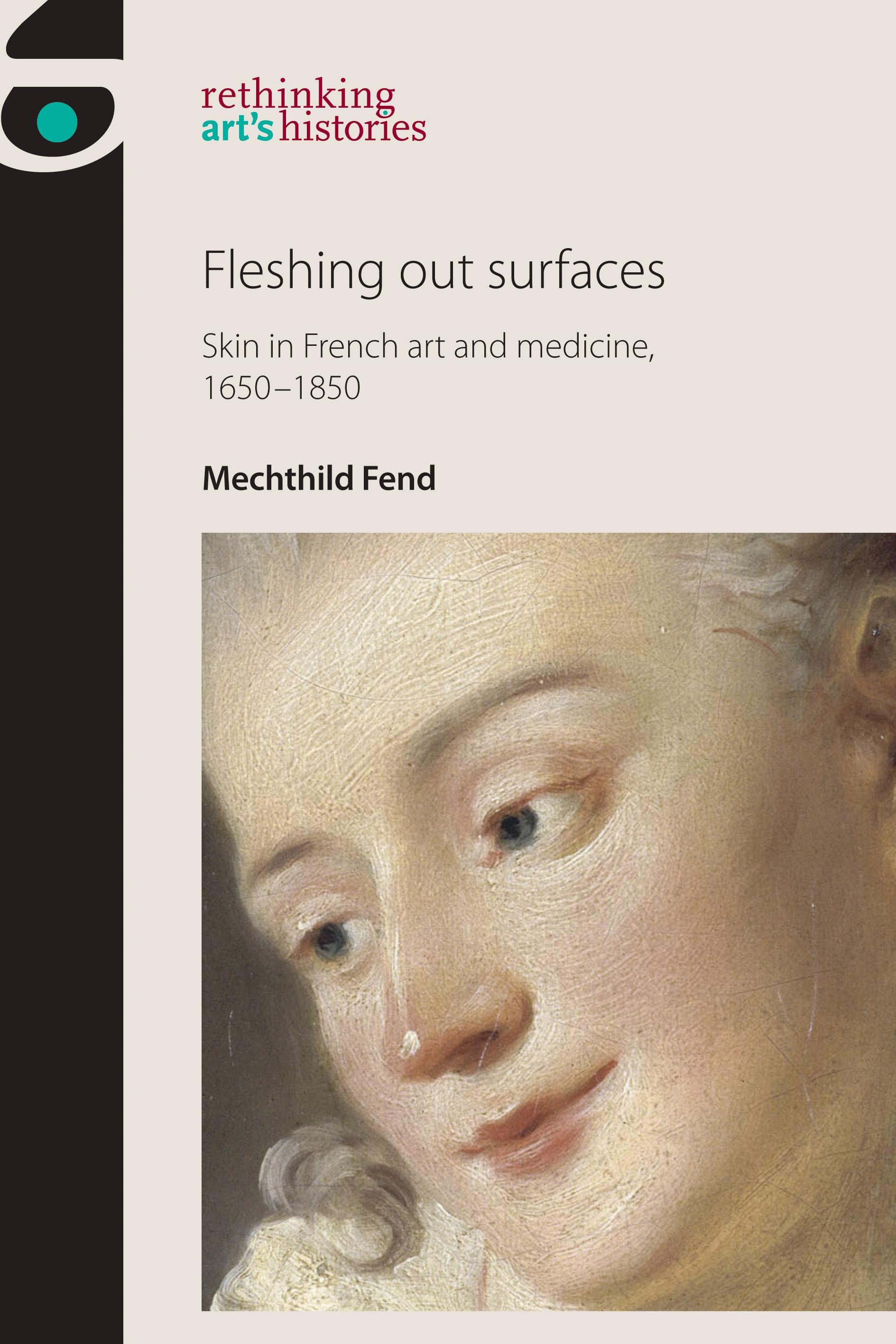
Fleshing out surfaces is the first English-language book on skin and flesh tones in art. It considers flesh and skin in art theory, image making and medical discourse in seventeenth to nineteenth-century France. Describing a gradual shift between the early modern and the modern period, it argues that what artists made when imitating human nakedness was not always the same. Initially understood in terms of the body's substance, of flesh tones and body colour, it became increasingly a matter of skin, skin colour and surfaces. Each chapter is dedicated to a different notion of skin and its colour, from flesh tones via a membrane imbued with nervous energy to hermetic borderline. Looking in particular at works by Fragonard, David, Girodet, Benoist and Ingres, the focus is on portraits, as facial skin is a special arena for testing painterly skills and a site where the body and the image become equally expressive.
Pay easily by card, Klarna, Apple Pay or Google Pay. Not happy? You always have a 14-day money-back guarantee. Read more in our terms. If you have any questions, email us at hello@memmo.org.
Memmo makes studying easier – wherever you are in the world. We bring your course books and smart study tools together in one place: summaries, quizzes, podcasts and flashcards. Plus Ted, your study buddy who answers anything you wonder. Over 50,000 students already study here – built to help you learn faster and stress less.
You might also like
Buy the book0