
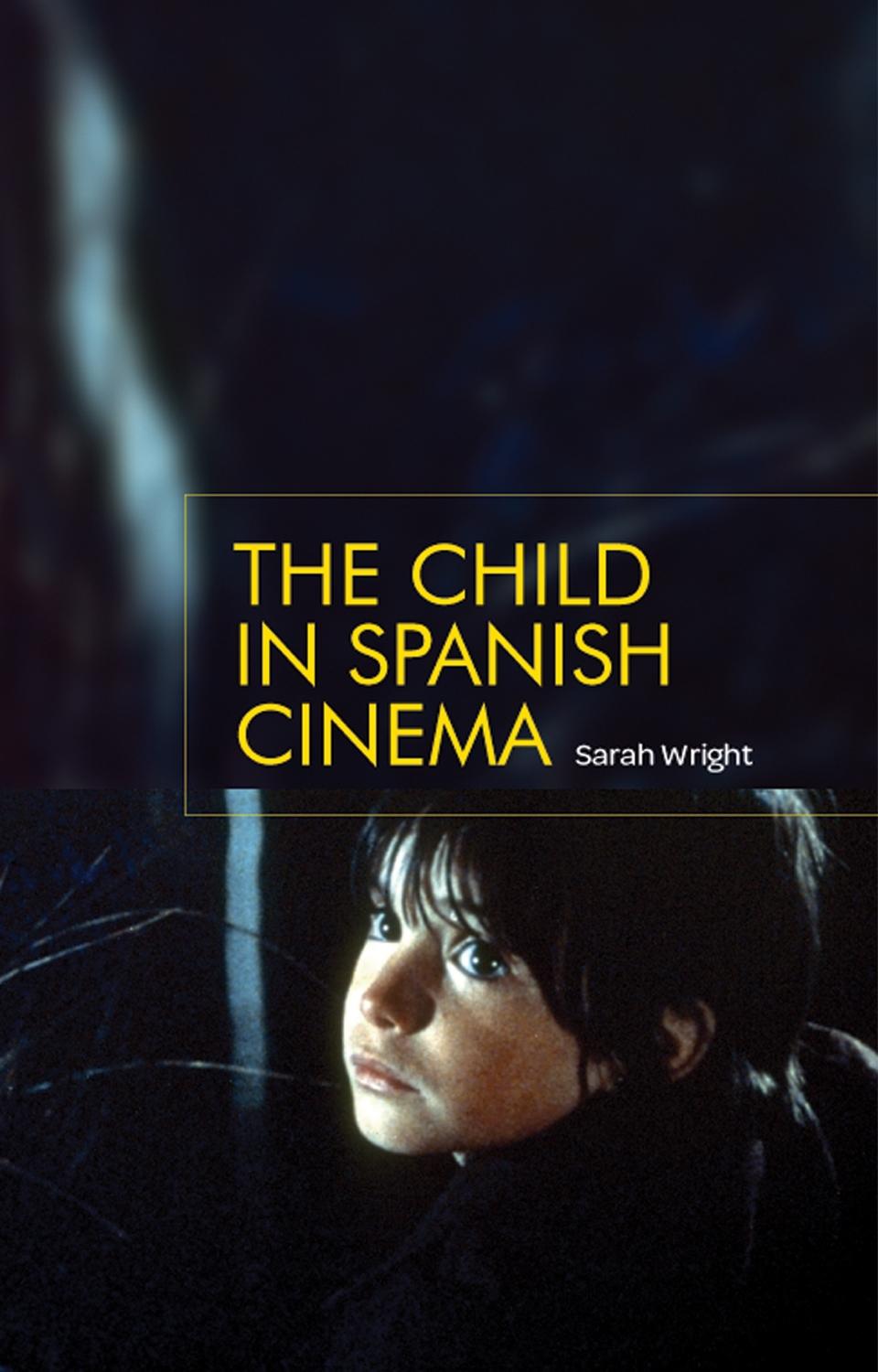
In this, the first full-length treatment of the child in Spanish cinema, Sarah Wright explores the ways that the cinematic child comes to represent ‘prosthetic memory’. The central theme of the child and the monster is used to examine the relationship of the self to the past, and to cinema.
Concentrating on films from the 1950s to the present day, the book explores religious films, musicals, ‘art-house horror’, science-fiction, social realism and fantasy. It includes reference to Erice’s The Spirit of The Beehive, del Toro’s Pan’s Labyrinth, Mañas’s El Bola and the Marisol films. The book also draws on a century of filmmaking in Spain and intersects with recent revelations concerning the horrors of the Spanish past. The child is a potent motif for the loss of historical memory and for its recuperation through cinema.
This book is suitable for scholars and undergraduates working in the areas of Spanish cinema, Spanish cultural studies and cinema studies.
Pay easily by card, Klarna, Apple Pay or Google Pay. Not happy? You always have a 14-day money-back guarantee. Read more in our terms. If you have any questions, email us at hello@memmo.org.
Memmo makes studying easier – wherever you are in the world. We bring your course books and smart study tools together in one place: summaries, quizzes, podcasts and flashcards. Plus Ted, your study buddy who answers anything you wonder. Over 50,000 students already study here – built to help you learn faster and stress less.