
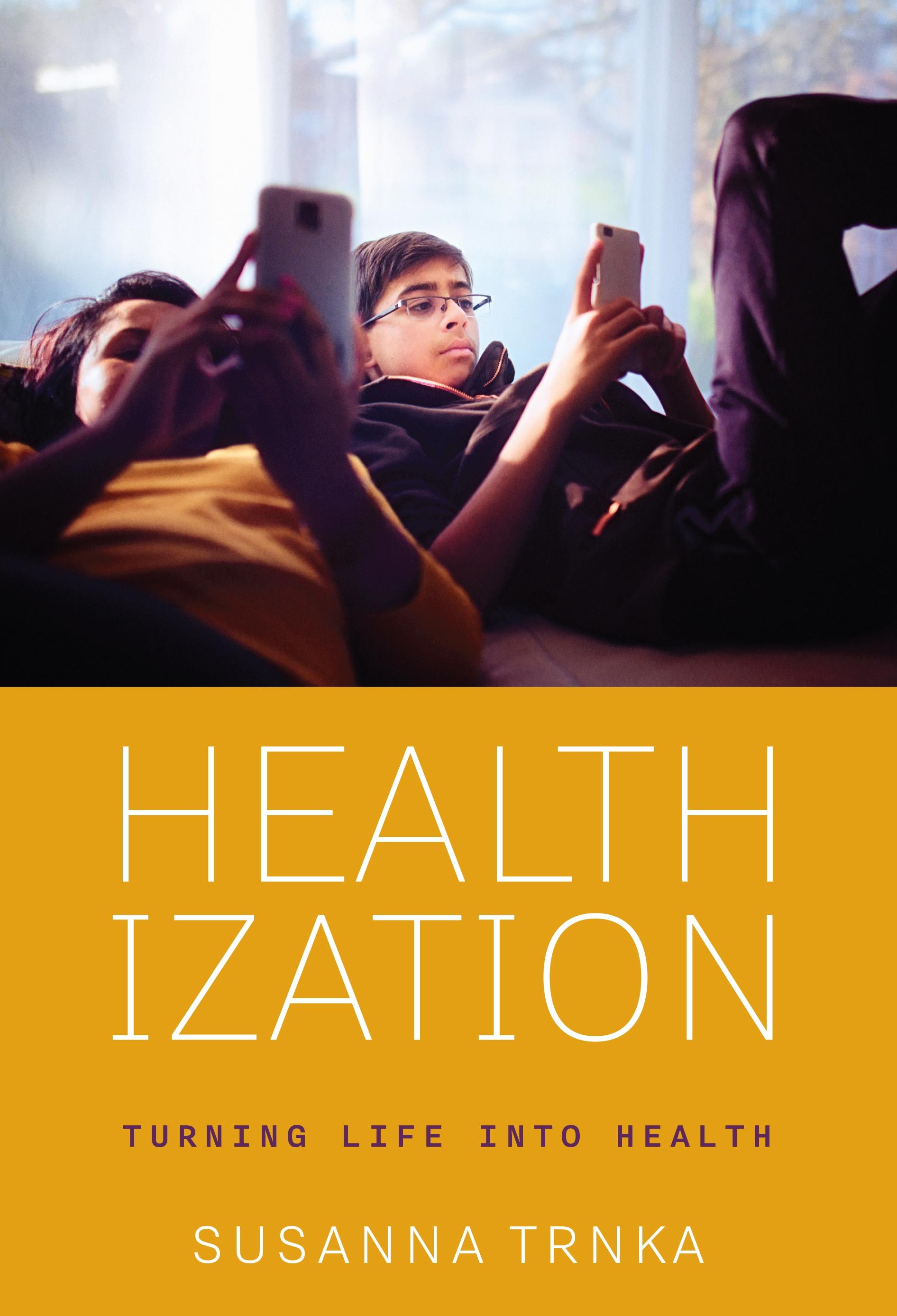
What does it mean to be healthy? Is it a measure of physical illness, of a mental health condition, or of emotional control? In twenty-first-century Aotearoa/New Zealand, it is all of the above. Being healthy in this country requires an investment of extensive work, resources, and time. Because while it encompasses the above categories, for many young people in Aotearoa/New Zealand, health also extends to having strong, trusted friendships—to feeling that one’s emotions are being recognized while recognizing the emotions of others. Health for these youth may also consist of creating a daily space for mindfulness while maintaining productivity; working up the motivation to work out; quantifying and graphing nutrition stats; being able to talk openly about one’s mental health; and maybe even wearing the right lipstick.
These activities are particularly salient in Aotearoa/New Zealand where the past forty years have witnessed a growing emphasis on the importance of patient “self-responsibility” and where the state has invested heavily in health, even introducing a “wellbeing budget” that tracks the economy via wellbeing measures. All of these activities add up to a concept—and a worldview—that anthropologist Susanna Trnka conceptualizes as healthization. Through this framework, managing one’s emotions, keeping one’s sense of “balance,” and tracking the number of miles run, swum, or bicycled, become overlapping, all-consuming activities, to the point of almost encompassing life itself. By analyzing ethnographic interviews with young people, Trnka reveals the emotional, financial, and deeply personal ideas at stake as understandings of health shift in the minds of young people. Often at the vanguard of new trends in mental health, physical fitness, and digital health technologies, the youth in Aotearoa/New Zealand enact what it means to be well in the twenty-first century.
Pay easily by card, Klarna, Apple Pay or Google Pay. Not happy? You always have a 14-day money-back guarantee. Read more in our terms. If you have any questions, email us at hello@memmo.org.
Memmo makes studying easier – wherever you are in the world. We bring your course books and smart study tools together in one place: summaries, quizzes, podcasts and flashcards. Plus Ted, your study buddy who answers anything you wonder. Over 50,000 students already study here – built to help you learn faster and stress less.