
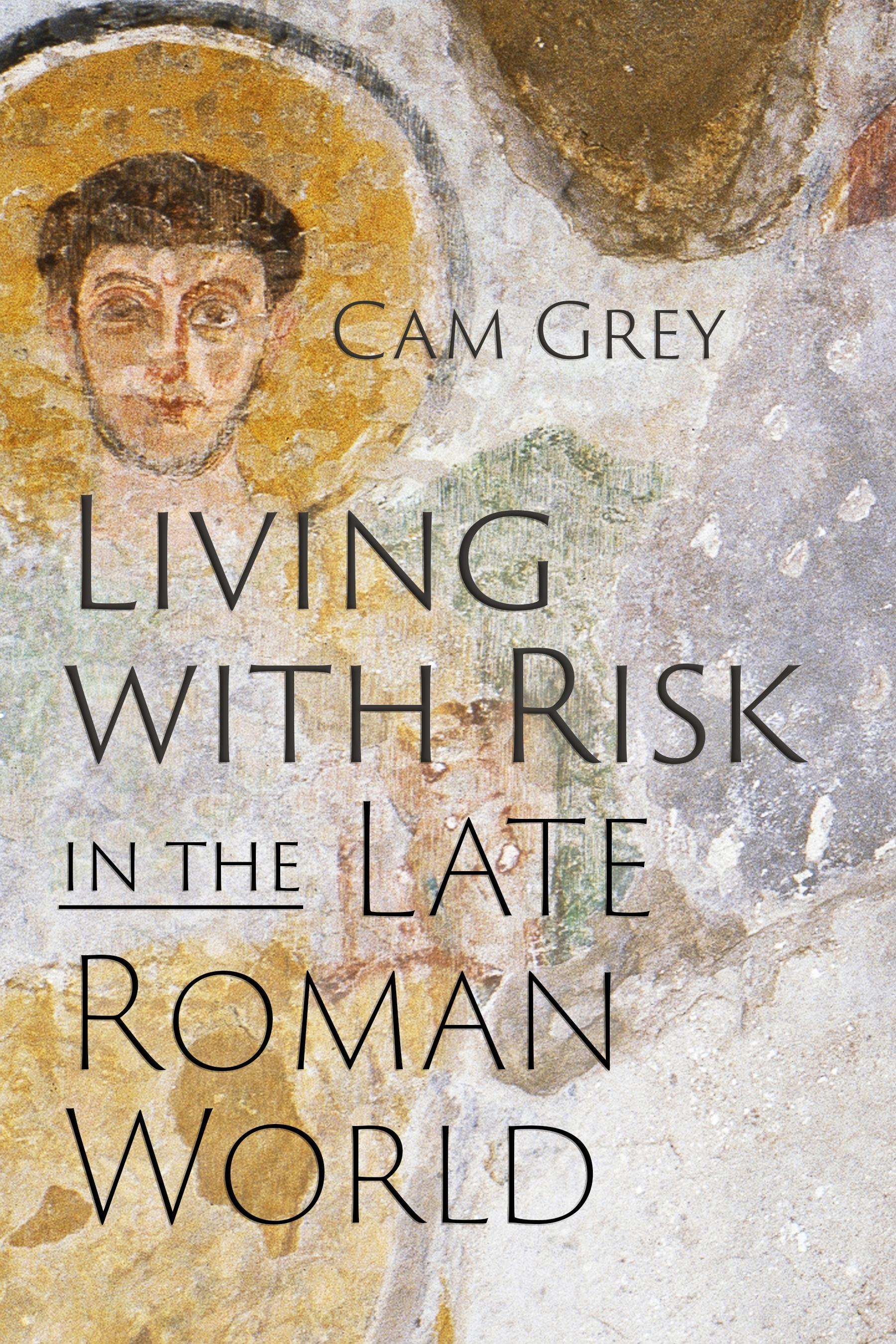
Explores the ever-present experiences of risk that characterized the daily existence of individuals, communities, and societies in the late Roman world
Living with Risk in the Late Roman World explores the ever-present experiences of risk that characterized the daily existence of individuals, communities, and societies in the late Roman world (late third century CE through mid-sixth century CE). Recognizing the vital role of human agency, author Cam Grey bases his argument on the concept of the riskscape: the collection of risks that constitute everyday lived experience, the human perception of those risks, and the actions that exploit, mitigate, or exacerbate them. In contrast to recent grand narratives of the fate of the late Roman Empire, Living with Risk in the Late Roman World focuses on the quotidian practices of mitigation and management, foreknowledge and prediction, and mobilization and manipulation of risks at the individual and community levels.
Grey illustrates the ubiquity of these practices through a collection of anecdotes that emphasize the highly localized, heterogeneous, and complementary nature of riskscapes: members of local communities enlisting figures of power to neutralize the hazards posed by imminent catastrophes, be it a tsunami, earthquake, or volcanic eruption; Christian holy figures both suffering and imposing bodily affliction as part of their claims to control such hazards and thereby to exercise influence in these communities; intimate experiences of seasonality and weather that shaped local practices of subsistence but also of self-representation; and geographically specific and fiercely contested claims to special knowledge and control of water.
Multidisciplinary in its methodology and provocative in its argumentation, Living with Risk in the Late Roman World demonstrates that human communities in the ancient past were inextricably intertwined with the world around them, and that the actions they took simultaneously responded to and shaped the risks—both hazardous and favorable—that they perceived.
Pay easily by card, Klarna, Apple Pay or Google Pay. Not happy? You always have a 14-day money-back guarantee. Read more in our terms. If you have any questions, email us at hello@memmo.org.
Memmo makes studying easier – wherever you are in the world. We bring your course books and smart study tools together in one place: summaries, quizzes, podcasts and flashcards. Plus Ted, your study buddy who answers anything you wonder. Over 75,000 students already study here – built to help you learn faster and stress less.