
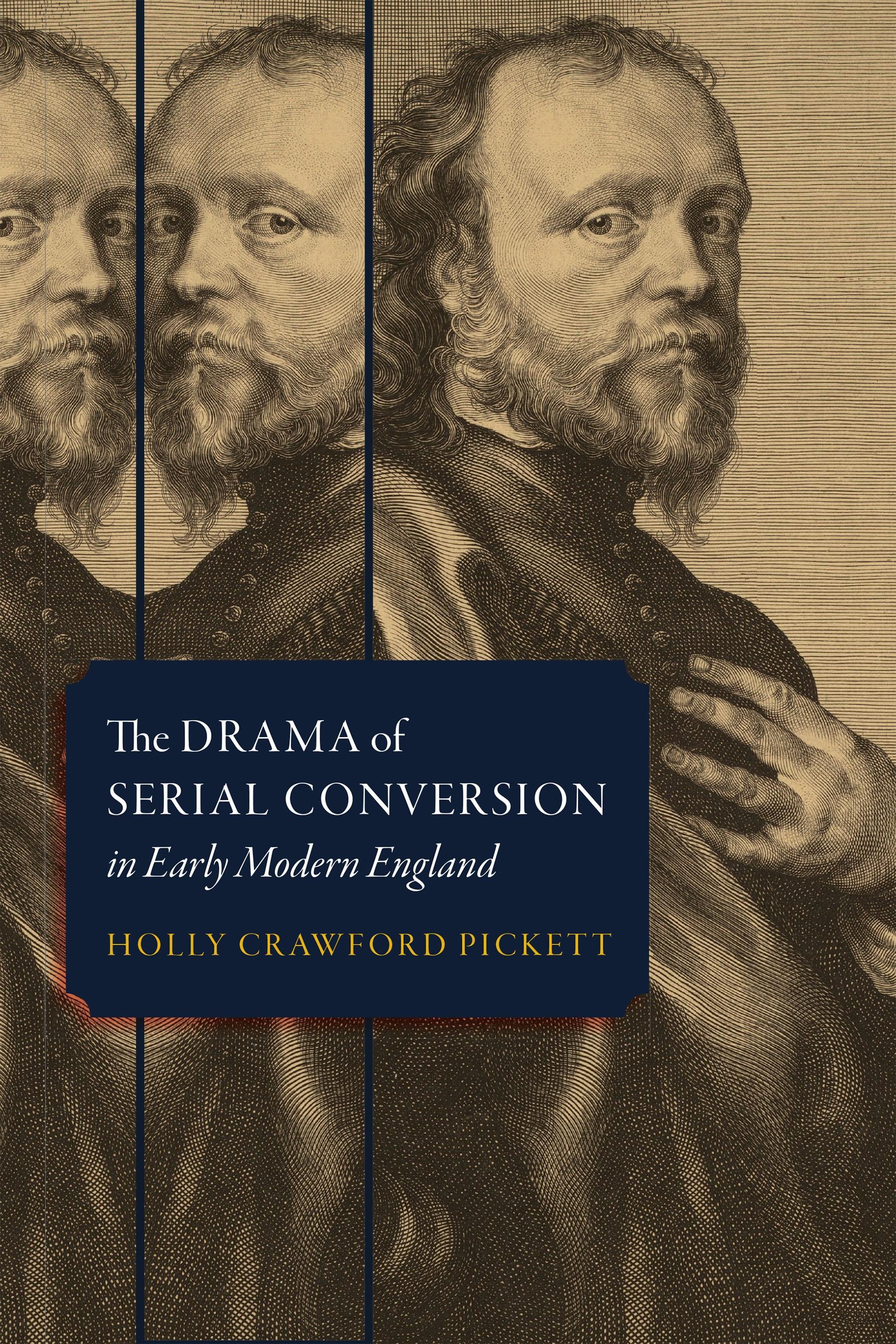
In The Drama of Serial Conversion in Early Modern England, Holly Crawford Pickett reconceptualizes early modern religious identity by exploring the astonishing stories of serial converts: historical figures such as William Alabaster, Kenelm Digby, William Chillingworth, and Marc Antonio De Dominis, along with fictional ones, who changed their religious affiliations between Catholicism and Protestantism multiple times. Pickett argues that serial converts both reveal and helped revise early modern understandings of the self. Through investigation of the techniques that serial converts used to stage and justify their conversions, Pickett demonstrates the performative nature of the act of conversion itself, offering a counternarrative to the paradigm of sincere, private conversion that was on the rise in the tumultuous years following the Reformation. Drawing from archival investigation into the lives and works of serial converts and performance studies theory, this book shows how the genres and conventions associated with conversion shaped not only forms of communication but also the very experience of conversion. By juxtaposing plays about serial conversion—by Thomas Dekker and Philip Massinger, Thomas Middleton, Elizabeth Cary, Ben Jonson, and William Shakespeare—with spiritual autobiographies, Pickett highlights the shared task of convert and playwright: performing conversion for an audience.
Serial converts served as uncomfortable reminders to their contemporaries that religious identity is always unverifiable. The first study to explore serial conversion as a discrete phenomenon in this era, The Drama of Serial Conversion in Early Modern England challenges confessional divisions within much early modern historiography by analyzing the surprising convergence of Protestant and Catholic in the figure of the serial convert. It also reveals a neglected strain of religious discourse in early modern England that valued mutability and flexibility even in the midst of hardening and increasingly narrow understandings of conversion.
Pay easily by card, Klarna, Apple Pay or Google Pay. Not happy? You always have a 14-day money-back guarantee. Read more in our terms. If you have any questions, email us at hello@memmo.org.
Memmo makes studying easier – wherever you are in the world. We bring your course books and smart study tools together in one place: summaries, quizzes, podcasts and flashcards. Plus Ted, your study buddy who answers anything you wonder. Over 75,000 students already study here – built to help you learn faster and stress less.