
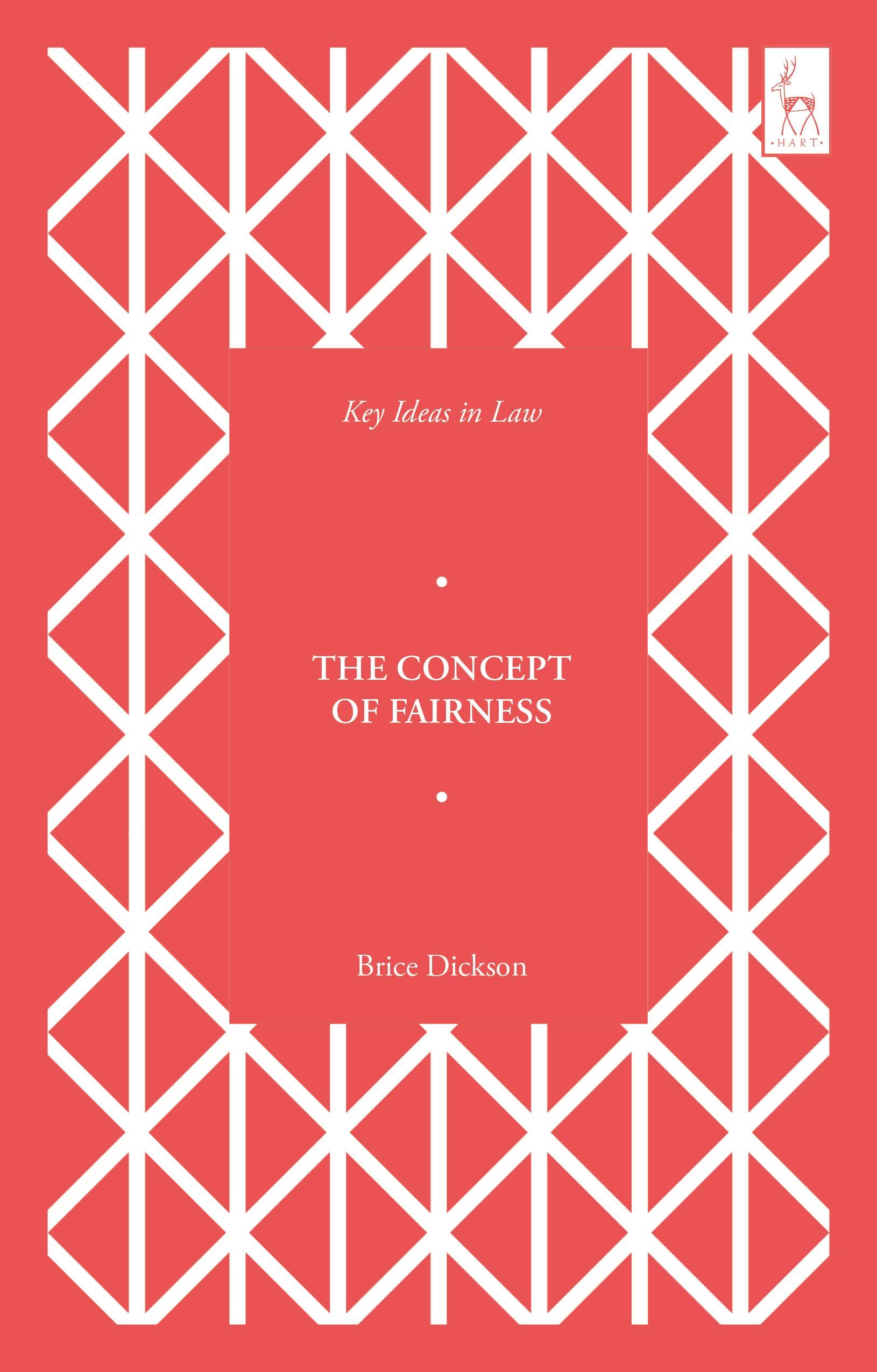
This book explores how the concept of fairness is used in different legal fields to ensure that the laws we live under are just and reasonable.
It considers a wide range of topics, such as constitutional law, administrative law, criminal law, contract law, tort law, trusts law, family law, employment law, consumer law, immigration law and tax law.
Each chapter looks at the part fairness plays in law making in these areas. This is achieved through careful analysis of relevant legislation and judicial decisions, especially those of the UK's Supreme Court. Questions are addressed concerning the criteria law makers rely on – or should rely on – to determine what is fair in any given circumstances.
The book explains that laws could be greatly improved if more attention were paid to making their application fairer. It argues that legislation should routinely provide judges with extensive guidance on how to go about deciding whether a position is fair.
The book is of value to anyone thinking of undertaking a law degree or in the early stages of their legal studies. While it touches upon John Rawls's theory of 'justice as fairness', the emphasis throughout remains on the workability of legal rules in practice. It equips readers with a greater understanding of how challenging it can be to implement rules appropriately unless a clear focus on fairness is resolutely maintained.
It considers a wide range of topics, such as constitutional law, administrative law, criminal law, contract law, tort law, trusts law, family law, employment law, consumer law, immigration law and tax law.
Each chapter looks at the part fairness plays in law making in these areas. This is achieved through careful analysis of relevant legislation and judicial decisions, especially those of the UK's Supreme Court. Questions are addressed concerning the criteria law makers rely on – or should rely on – to determine what is fair in any given circumstances.
The book explains that laws could be greatly improved if more attention were paid to making their application fairer. It argues that legislation should routinely provide judges with extensive guidance on how to go about deciding whether a position is fair.
The book is of value to anyone thinking of undertaking a law degree or in the early stages of their legal studies. While it touches upon John Rawls's theory of 'justice as fairness', the emphasis throughout remains on the workability of legal rules in practice. It equips readers with a greater understanding of how challenging it can be to implement rules appropriately unless a clear focus on fairness is resolutely maintained.
Pay easily by card, Klarna, Apple Pay or Google Pay. Not happy? You always have a 14-day money-back guarantee. Read more in our terms. If you have any questions, email us at hello@memmo.org.
Memmo makes studying easier – wherever you are in the world. We bring your course books and smart study tools together in one place: summaries, quizzes, podcasts and flashcards. Plus Ted, your study buddy who answers anything you wonder. Over 50,000 students already study here – built to help you learn faster and stress less.