
Winner of the 2026 SLS Peter Birks Prize for Outstanding Legal Scholarship
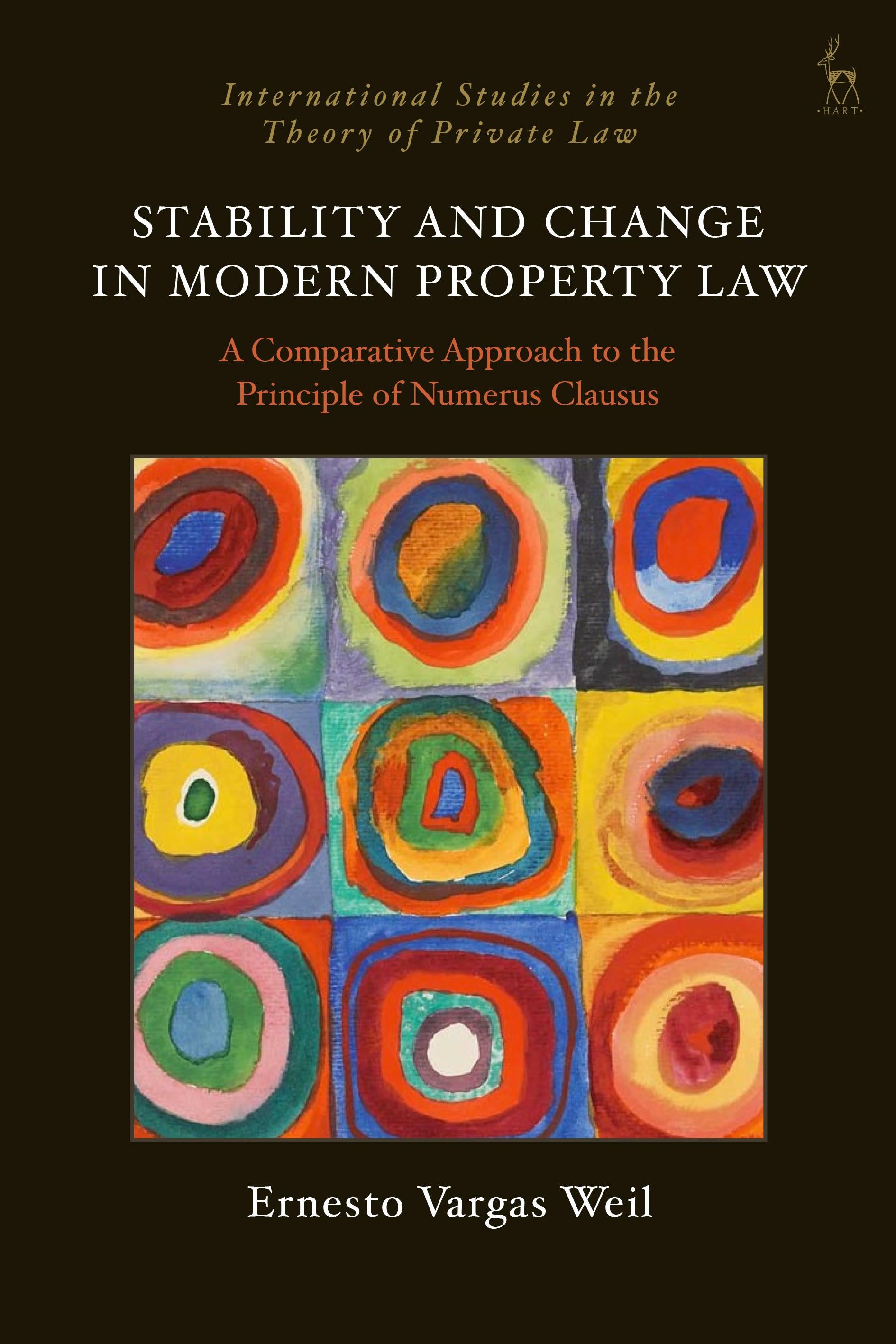
This book examines the English and German version of the numerus clausus principle which holds that there is a closed list of permitted property rights.
It challenges recent views that the principle renders property law inflexible and unable to accommodate social and economic changes. Relying on a novel approach combining property theory and comparative research of English and German law, it argues that the restrictions the principle imposes on the creation of new property types actually does accommodate social changes through a process of 'functional transformation' of the existing property rights.
This is a fascinating, unique study, that makes a rigorous, original contribution to property law theory.
This book examines the English and German version of the numerus clausus principle which holds that there is a closed list of permitted property rights.
It challenges recent views that the principle renders property law inflexible and unable to accommodate social and economic changes. Relying on a novel approach combining property theory and comparative research of English and German law, it argues that the restrictions the principle imposes on the creation of new property types actually does accommodate social changes through a process of 'functional transformation' of the existing property rights.
This is a fascinating, unique study, that makes a rigorous, original contribution to property law theory.
Pay easily by card, Klarna, Apple Pay or Google Pay. Not happy? You always have a 14-day money-back guarantee. Read more in our terms. If you have any questions, email us at hello@memmo.org.
Memmo makes studying easier – wherever you are in the world. We bring your course books and smart study tools together in one place: summaries, quizzes, podcasts and flashcards. Plus Ted, your study buddy who answers anything you wonder. Over 50,000 students already study here – built to help you learn faster and stress less.